Cold Storage Operating Conditions Require Modified Electric Forklift Truck Component Selection and Operational Protocols
News 11/10/2026
Core Component Adjustments Cold Storage Operations Require
Cold storage environments expose standard electric forklift trucks to consistent sub-zero temperatures, frequent condensation, and slippery surfaces. These conditions break down standard components far faster than room-temperature operations, leading to unexpected downtime, safety hazards, and increased replacement costs. Modified components address these unique challenges to extend equipment lifespan and maintain consistent performance.
Battery and Electrical Systems
Low temperatures directly impact battery performance. Standard lead-acid batteries can lose up to 50 percent of their rated capacity when operating below -10°C (14°F). Even lithium-ion batteries suffer reduced output and slower charge rates without engineering adjustments. Modified systems use low-temperature optimized cell chemistries to maintain consistent capacity. All electrical connections get corrosion-resistant coating to prevent damage from repeated condensation cycles, which happen when forklifts move between cold storage interiors and warmer loading areas. Wiring insulation also uses specialized low-temperature polymers that resist cracking and brittleness, common issues with standard insulation in sub-zero conditions.
Hydraulic and Sealing Components
Standard sealing materials and hydraulic fluids fail quickly in cold storage. Most standard rubber seals harden at low temperatures, losing their ability to contain hydraulic fluid and leading to costly leaks. Modified systems use specialized low-temperature rubber compounds, such as silicone or low-temperature nitrile rubber, that remain flexible across a wide range of sub-zero temperatures. Hydraulic fluid also gets swapped for low-viscosity cold-optimized blends that maintain proper flow, preventing slow or unresponsive mast movement that can slow operations or create safety risks.
Tire and Moving Part Materials
Cold storage floors often have residual ice, frost, or condensation that creates slippery conditions. Standard tire compounds harden at low temperatures, reducing traction and increasing slip risk. Modified cold storage forklifts use tire compounds that stay soft and grippy even at sub-zero temperatures, improving traction on icy surfaces. Moving parts such as mast chains and lift rollers get corrosion-resistant coatings and require low-temperature lubricants that do not thicken or lose effectiveness in cold conditions, preventing jams and excessive wear.
Adjusted Operational Protocols Cold Storage Teams Implement
Even with fully modified components, operational adjustments reduce wear and improve safety. Cold storage conditions change how forklifts respond to driver input, so teams need clear protocols aligned with these unique challenges.
Pre-Operation Check Routines
Teams complete pre-operation checks before every shift to catch early signs of cold-related damage. Drivers check battery voltage and temperature first, as cold batteries cannot deliver enough power to safely operate the forklift. If batteries sit below recommended minimum operating temperatures, drivers allow a short warm-up period before moving loads. Drivers also clear any ice or frost buildup from tire treads and mast components, and check hydraulic lines for visible leaks that can develop from hardened seals.
In-Operation and Parking Guidance
Drivers avoid sudden acceleration, hard braking, and sharp turns, as cold conditions increase stopping distance and reduce traction. Extended parking inside cold storage spaces gets limited unless the forklift design explicitly supports long-term cold exposure. When possible, park units in heated staging areas during breaks or overnight shifts to keep batteries and hydraulic fluids at functional temperatures. If performance drops suddenly — such as slow lift movement or reduced power — drivers stop operations immediately and inspect components before resuming work, preventing small issues from becoming major failures.
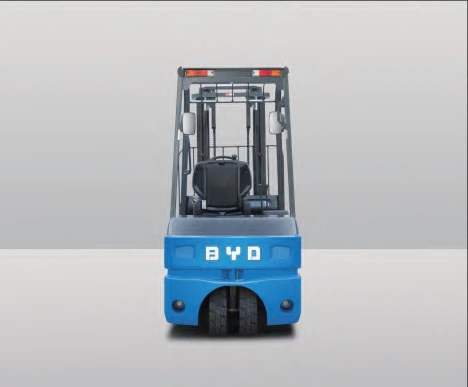
Proper component selection and aligned operational protocols reduce unplanned downtime, extend equipment service life, and improve overall worksite safety within cold storage facilities. Matching modifications to your facility’s operating temperature range and daily use hours ensures you get reliable performance without unnecessary added cost.
Frequently Asked Questions
Can standard electric forklift trucks operate inside cold storage spaces?
Standard units can handle short-term, occasional trips into cold storage. However, long-term daily use leads to rapid component degradation, frequent performance drops, and unplanned breakdowns. Condensation damages electrical connections, seals harden and leak, and battery capacity drops enough to disrupt daily operations. Permanent cold storage operations require modified components to deliver reliable service.
What battery types deliver best performance in cold storage environments?
Low-temperature optimized lithium-ion batteries deliver the most consistent performance in sub-zero conditions. They maintain higher capacity and more consistent power output than standard lead-acid batteries across most cold storage temperature ranges. Standard lead-acid batteries can work with heated battery enclosures, but this adds extra upfront cost and ongoing energy consumption.
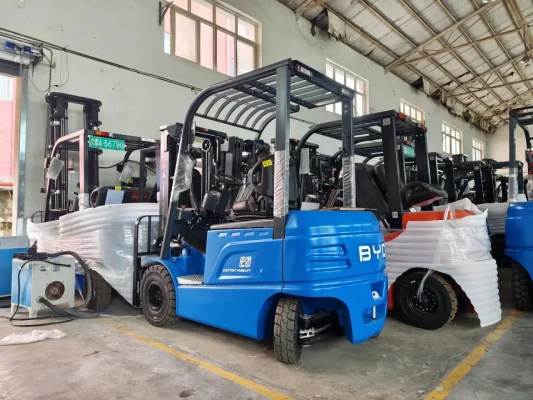
How frequent should maintenance checks occur on cold storage modified electric forklifts?
Frequent scheduled checks catch cold-related damage before it causes downtime. Teams should complete visual inspections of seals, tire tread, and battery performance every two weeks on units in daily use. Full comprehensive inspections of wiring insulation, moving part corrosion, and hydraulic fluid quality occur monthly. Adjust check frequency upward if your facility operates at temperatures below -20°C (-4°F) or the forklift sees more than eight hours of use daily.
Are cold storage modified electric forklifts more expensive than standard units?
Upfront purchase costs run higher than standard units, typically between 10 and 20 percent more depending on the scope of modifications. Lower rates of unplanned downtime, longer component lifespan, and fewer replacement needs offset this extra initial investment over the equipment’s service life.