Assessing Fork Lift Truck Attachment Compatibility To Meet Specialized Material Handling Job Requirements
News 11/10/2026
Key Compatibility Factors Your Operation Must Check
When your operation needs specialized attachments to handle non-standard loads, you must complete a full compatibility assessment before installation. Skipping this step leads to safety hazards, equipment damage, and failed job completion. This section outlines core factors every operation must evaluate.
Truck Lift Capacity and Load Center Adjustments
Every fork lift truck comes with a published rated lift capacity, based on standard fork configurations. Adding any new attachment changes this calculation. Attachments add their own weight to the front of the truck, which reduces the total available load capacity the truck can safely lift. You must also adjust for changes in load center distance, which measures how far your load center sits from the truck’s front face. A longer load center further reduces safe capacity.
Operations handling large, bulky loads like paper rolls or industrial drums see the biggest capacity shifts. One example, a clamp attachment built to handle bulky loads can add 200 to 500 pounds of additional front-end weight, cutting available capacity by 10% to 20% in many cases. Always confirm your adjusted capacity meets your job’s heaviest load requirement before moving forward with purchase or installation.
Mounting and Hydraulic System Alignment
Attachment mounting interfaces come in several common designs, including pin-type, hook-type, and integrated carriage mounts. Your attachment must match the carriage size and mounting design your fork lift truck uses. Mismatched mounts create loose connections that can lead to attachment detachment during operation.
Most powered attachments require hydraulic flow to operate. You must confirm your truck’s hydraulic system matches the attachment’s required flow rate and pressure output. Too much pressure can damage attachment seals, while too little flow leaves attachments moving too slow to keep up with your workflow. Some older truck models lack extra hydraulic ports needed for powered attachments, so you must also confirm available port connections before making a selection.
Common Compatibility Mistakes That Increase Operational Risk
Even experienced operations teams make avoidable mistakes during compatibility assessment. These mistakes create unnecessary safety risks and unexpected downtime.
The most common mistake ignores attachment weight when calculating total load capacity. Many teams only check if the attachment fits the mount, then assume the truck can still lift its original rated load. This mistake leads to front-end overload, which can cause the truck to tip forward during operation, creating serious safety hazards.
A second common mistake forces mismatched mounts into place. When an attachment does not align properly, some teams modify the mount to force installation. Modifications weaken the connection, and can void your truck’s existing manufacturer warranty. Any modification to mounting components also creates unknown failure risks that can lead to catastrophic detachment.
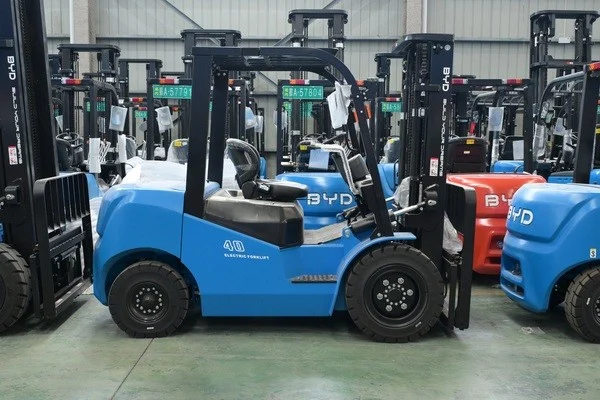
A third often overlooked factor involves clearance and maneuverability. Larger attachments like side shifters or rotators increase the front-end width and length of your fork lift truck. This changes turning radius and minimum aisle clearance requirements. If your warehouse uses narrow aisles, a larger incompatible attachment can make it impossible to navigate between storage racks, rendering the truck useless your space.
Frequently Asked Questions
Can I use any third-party attachment with my existing fork lift truck?
Not all third-party attachments work with every fork lift truck model. You must cross-reference the attachment manufacturer’s compatibility list with your truck’s exact model and year. Non-compatible third-party attachments can void your truck’s warranty, create safety hazards, and lead to premature equipment wear. Some truck manufacturers publish official approved third-party attachment lists, which you can use to confirm compatibility before purchase.
How do I calculate adjusted lift capacity after adding a new attachment?
Start with your truck’s original rated capacity at its standard load center. Next, subtract the attachment’s own weight from this total. Then adjust the capacity based on the new load center distance created by the attachment and your target load. Most attachment manufacturers publish capacity adjustment guides that match common fork lift truck models, so you can use these guides to get an accurate number. If you have questions about your specific setup, contact your truck dealer or attachment supplier guidance.
Do electric fork lift trucks have different compatibility requirements than internal combustion models?
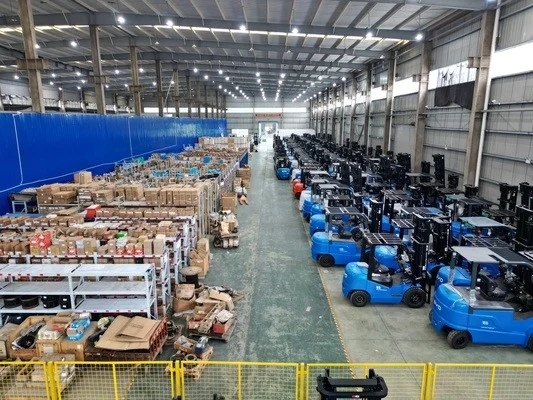
Core assessment steps remain similar across both power sources, but electric models often have unique constraints. Many electric fork lift trucks designed to handle warehouse use have smaller frame dimensions and lower overall hydraulic output than comparable internal combustion models. They also often have lower maximum front-end weight capacities, so attachment weight impacts rated capacity more significantly. Always check your electric truck’s specific specifications before selecting an attachment.
Thorough compatibility assessment ensures your fork lift truck and new attachment work safely and effectively to meet your specialized job needs. Always prioritize manufacturer specifications and confirm every core factor before completing installation, to avoid unexpected downtime and safety hazards.