Matching Fork Lift Truck Tire Types To Your Facility’s Floor Surfaces And Operational Duty Cycles
News 10/10/2026
Selecting the wrong fork lift truck tires leads to premature tire wear, avoidable floor damage, elevated safety risks, and reduced operator control. Matching tire options to your facility’s unique floor surfaces and operational intensity ensures long service life, stable operation, and protection for your facility’s infrastructure. This guide breaks down key selection factors and common tire matches across different operating conditions.
Key Factors To Evaluate Before Selection
Facility Floor Surfaces
Different facilities host different surface types, each brings unique traction and wear requirements. Common operating surfaces include cured smooth concrete, unfinished rough concrete, epoxy-coated polished concrete, outdoor asphalt, and packed gravel. Each surface interacts differently with various tire compounds and tread patterns, so your primary operating surface should drive your tire selection.
Operational Duty Cycles
Duty cycles describe daily operation length and overall intensity. Light duty includes less than four hours daily operation, low travel speeds, and occasional lifts. Medium duty spans four to eight hours daily operation, with regular travel across warehouse or yard spaces. Heavy duty includes eight or more hours of continuous operation, high average loads, and frequent long-distance travel across large sites. Higher intensity operation requires more durable tire compounds that resist heat buildup and wear.
Tire Type Matching Based On Floor Surface And Duty Cycle
Cushion (Solid) Tires
These low-profile solid tires fit small rim sizes, perfect for narrow indoor aisles common in most warehouses. Best application: Indoor spaces with smooth, cured concrete floors, across light to heavy duty cycles. Limitations: Hard standard rubber compounds can scratch soft epoxy floor coatings, and the stiff design does not perform well on rough outdoor surfaces. Non-marking specially formulated variants work better on coated surfaces than standard black compounds.
Air-Filled Pneumatic Tires
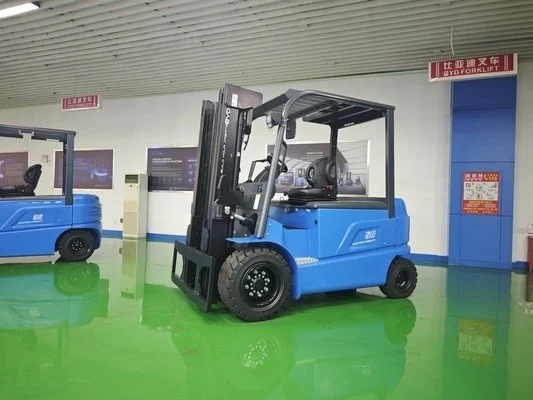
These tires feature thick, aggressive tread patterns that grip uneven outdoor surfaces. Best application: Outdoor operations across rough asphalt, gravel, or unfinished yards, supporting medium to heavy duty cycles. Limitations: Puncture risks rise when operations cross areas with loose debris or sharp objects. Wide profiles do not fit narrow indoor aisles, and aggressive tread traps debris that abrades smooth indoor floors.
Solid Pneumatic Tires
These tires share the same footprint and tread profile as air-filled pneumatic tires, but use solid rubber construction instead of inflated air chambers. Best application: Mixed indoor-outdoor operations, supporting medium to heavy duty cycles. They eliminate puncture risks common with air-filled designs. Limitations: Higher upfront cost than air-filled alternatives, and deliver a stiffer ride than traditional pneumatic tires. Aggressive outdoor tread can still damage smooth coated indoor floors, so non-marking low-profile variants work best with mixed use operations.
Polyurethane Press-On Tires
These tires deliver high load capacity with a slim low profile, made from rigid polyurethane material bonded to the wheel rim. Best application: High-capacity indoor operations on smooth concrete, supporting any duty cycle intensity. Limitations: Standard compounds can leave rubber marks on polished or coated floors, and material performance degrades in extreme outdoor temperature swings.
Frequently Asked Questions
Can I use outdoor rated tires inside my warehouse?
Outdoor rated pneumatic or solid pneumatic tires feature aggressive tread patterns that trap dirt and debris. These particles scratch and abrade smooth indoor concrete or epoxy floors. Only use outdoor tires indoors if your facility holds rough unfinished concrete and you accept faster floor wear. Non-marking low-profile solid pneumatic variants work well with operations that split time between indoor and outdoor spaces.
Do all solid tires damage coated warehouse floors?
Non-marking solid cushion tires formulated to work on indoor coated surfaces avoid scratches and scuff marks on epoxy and polished concrete. Standard black solid tires often leave rubber marks and feature harder edges that damage soft floor coatings. Always confirm compound type when you order new tires your fleet needs when working with coated floors.
How does duty cycle change my tire selection?
Continuous heavy operation increases heat buildup inside tires. Low quality tires wear faster when you run 8+ hour daily shifts. Heavy duty cycles require heat-resistant tire compounds, regardless of your floor type. Light duty cycles that only see occasional use can use lower cost standard tires without major performance issues. Higher quality compounds extend service life even in the most intense operating conditions.
What tire works best with mixed indoor-outdoor fork lift truck operation?
Non-marking solid pneumatic tires balance puncture resistance, floor protection and traction across multiple surfaces. They eliminate puncture risks common with air-filled pneumatic tires, and their softer compound reduces damage to indoor coated floors compared to standard outdoor solid tires. Always test tires on your most sensitive floor sections before full fleet deployment.
Final Selection Advice
Proper tire matching reduces long-term operating costs, extends tire service life, and protects your facility’s floor investment. Before you select new tires, document your facility’s main operating surfaces, your average daily operation length and your typical load weights. Test a small set of tires on your most sensitive floor sections to confirm performance before you upgrade your entire fleet. This approach helps you avoid unexpected damage and unnecessary replacement costs.