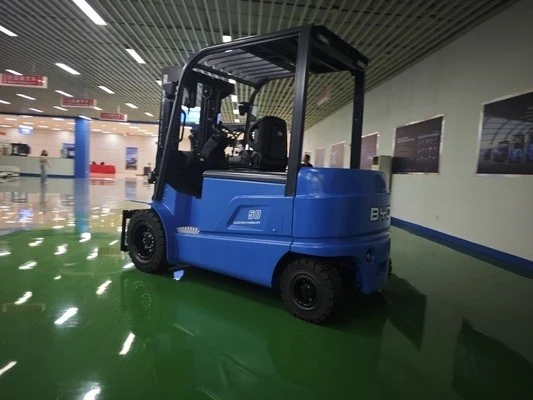
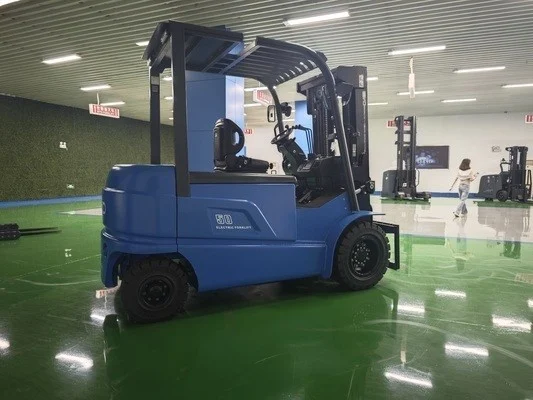
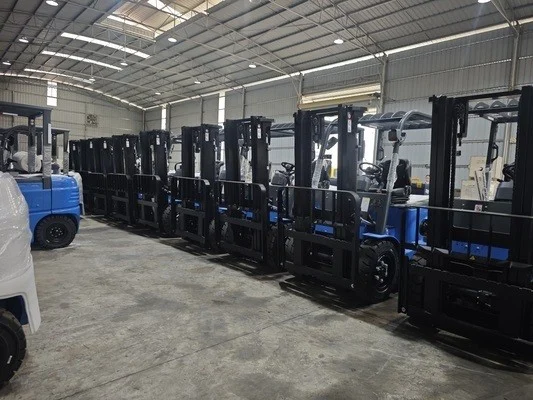
Matching Electric Forklift UK Operations To Site Load And Space Requirements
News 06/10/2026
Many UK operations across warehousing, retail, logistics and manufacturing need reliable material handling equipment. Electric forklifts grow in popularity across the country, thanks to zero tailpipe emissions, lower noise levels and reduced running costs compared to diesel alternatives. Selecting the right model depends entirely on your site specific load and space constraints. This guide walks through practical steps to match your equipment to your operation needs.
Core Site Requirements You Must Map First
Before you start comparing models, document two critical site characteristics. These parameters eliminate incompatible options early and narrow your search to units that fit your daily work.
Load Capacity Parameters
Start by measuring the maximum weight you lift on a regular basis. Include any attachments like side shifters or fork extensions, since these add extra weight to the front of the forklift and reduce effective lifting capacity. One common mistake operations make involves selecting a unit that only matches the exact weight of their heaviest load, with no buffer left. You should add a 10% safety buffer to your maximum recorded load to accommodate unexpected shifts or extra weight from packaged goods. Lift height also impacts capacity: higher lift heights reduce the maximum weight a forklift can safely handle, so you must check capacity ratings at your required full lift height, not just ground level.
Space Constraint Measurements
Next, map all key space dimensions across your work site. The most critical measurement involves aisle width. Aisle width determines what turning radius your forklift needs to navigate safely. Standard counterbalance electric forklifts need wider aisles, while reach trucks or articulated electric models work in narrow aisle warehouse setups common in UK city center storage facilities. You also need to measure clear headroom under racking or ceiling beams, plus door heights to ensure the forklift and its mast can move through all entry points without issue. Outdoor yards also need space mapping: uneven ground requires units with adequate ground clearance, and gate access points need matching overall width measurements.
Match Forklift Types To Common UK Operation Profiles
Different UK operation types have unique combinations of load and space needs. Below we outline common profiles and matching electric forklift options.
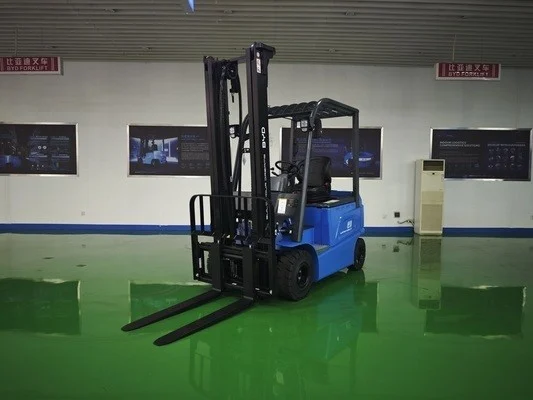
Indoor City Center Warehousing And Retail Stock Rooms
Most UK city center storage sites have limited space, with narrow aisles and relatively consistent load weights between 1 tonne and 2.5 tonnes. Electric reach trucks or three-wheel counterbalance models fit this profile. Three wheel models have smaller turning radii that fit tight aisles, while reach trucks maximize vertical storage space by lifting loads up to 12 meters high. Emission free operation works well indoors near customer areas or office spaces, which aligns with UK indoor air quality requirements.
Outdoor Freight Yards And Distribution Hubs
Larger UK distribution hubs often move heavier loads between trucks and storage areas, with wider aisles and outdoor ground space. Four-wheel counterbalance electric forklifts with sealed battery compartments fit this profile. These units handle loads up to 5 tonnes or more, and sealed components protect against rain and damp common across UK climates. Note: Most entry level electric forklifts lack sealed components, so they do not perform well during constant outdoor use in wet conditions. Cold storage operations, common in UK food logistics, need cold-rated battery systems, since standard batteries lose performance quickly in sub-zero temperatures.
Small Scale SME Operations
Smaller UK businesses like builders merchants or local distribution companies often have mixed use space that combines storage and loading areas. Stand-on pallet stackers or small counterbalance electric models fit this profile, thanks to their compact size and lower up-front cost. These units handle typical loads up to 2 tonnes and fit through standard industrial doorways easily.
Frequently Asked Questions
What size electric forklift fits my UK warehouse?
First, measure your narrowest aisle and your maximum load weight. Aisles wider than 3.5 meters work with standard four-wheel counterbalance models. Aisles between 2.1 meters and 3.5 meters work with three-wheel counterbalance units. Aisles narrower than 2.1 meters need reach trucks or very narrow aisle (VNA) electric forklifts. Always add a 10% buffer to your maximum load weight to ensure safe operation.
Can electric forklifts work in outdoor UK sites?
Yes, but only models designed to work in outdoor sites. These units feature sealed electrical components and battery compartments that resist moisture from UK rain and damp. Standard indoor electric forklifts suffer damage from constant exposure to wet outdoor conditions, so avoid using these models outside full time.
Do UK workplace regulations impact electric forklift selection?
Yes. UK health and safety rules require all forklifts match the site and work they perform. Emission rules also limit use of internal combustion forklifts indoors, so electric models become the only compliant option aligned with most indoor operations. Some local UK air quality zones also restrict diesel equipment use, making electric models the only compliant option aligned with many urban sites.
What risks come from mismatching forklift to my site load and space?
Mismatching capacity leads to increased safety risks, including tip overs and dropped loads. It also accelerates wear on forklift components, leading to higher maintenance costs and shorter equipment service life. Mismatching space constraints leads to damaged racking, walls, or equipment, and slows down daily operations because drivers cannot maneuver easily.
Final Selection Considerations
After mapping your load and space requirements, test any potential forklift on your actual site before you commit. Test drives let you check maneuverability in your actual aisles and confirm load handling matches your needs. You also need to evaluate battery charging infrastructure: your site needs adequate space and power supply to charge your electric forklift between shifts. This step avoids unexpected upgrades after delivery.