Assessing Ergonomic Design Attributes of Forklift Trucks to Reduce Operator Fatigue and Worksite Injuries
News 16/10/2026
Long-term operation of forklift trucks in warehouse settings leads to repeated musculoskeletal strain if ergonomic design fails to meet operator needs. Poor design increases fatigue over the course of a shift, and fatigue directly raises risk of human error and worksite collisions. Assessing key ergonomic attributes before purchase helps fleet owners and procurement teams protect operator health and lower overall incident rates.
Core Ergonomic Design Attributes Impacting Operator Health
Cab Access and Entry Design
Warehouse operators enter and exit forklift cabs dozens of times each shift. Poor entry design creates unnecessary strain on knees, hips and ankles, and increases risk of trips and falls. Key elements include platform height, non-slip surface material, and properly placed handholds. Operators with limited mobility face disproportionate risk from high-entry cab designs common on many older or entry-level models.
Seating and Posture Support
Operators spend multiple consecutive hours seated during shifts, so seat design directly impacts musculoskeletal health. A quality seat supports the lower back, adjusts to fit different body sizes, and absorbs vibration from uneven warehouse floors. Fixed-position seats force operators into awkward postures, leading to chronic neck, shoulder and back strain over time.
Control Placement and Vibration Control
Controls placed outside comfortable reach force operators to twist or stretch repeatedly during operation. Well-designed layouts place all frequently used controls within easy reach of the operator’s natural resting position. Whole-body vibration from engine operation and uneven surfaces creates long-term health risks, so proper damping through cab mounts and seat suspension reduces this exposure significantly.
Actionable Steps To Assess Ergonomic Design During Procurement
General spec sheet descriptions rarely provide enough detail to judge ergonomic quality. Follow these steps evaluate options against your operation’s specific needs:
Simulate Real-World Operating Conditions
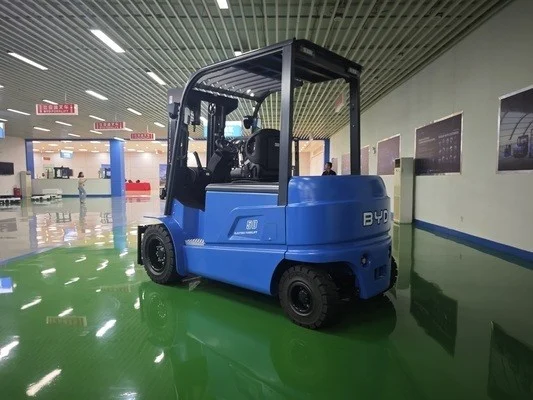
Do not rely on static showroom demonstrations. Test the forklift on your facility’s actual floor surfaces, through your typical turning and loading maneuvers, and over a duration matching a full standard shift. This reveals fatigue that does not appear during short 10-15 minute trial sessions.
Test Adjustments Across All Operator Body Types
Invite operators representing the full range of body sizes working your facility to test the unit. A seat that fits a shorter operator may not provide enough support or adjustment for a taller operator, and vice versa. Check that adjustment mechanisms lock securely and remain easy to adjust when operators change shifts.
Evaluate Visibility and Blind Spot Coverage
Poor visibility increases collision risk with worksite pedestrians and storage racks. Sit in the operating position and check blind spots around the mast, load carriage and rear of the unit. Confirm any auxiliary visibility aids, such as cameras or mirrors, work consistently in your facility’s lighting conditions.
Ergonomic Configuration Comparison
The table below outlines common ergonomic attributes, their typical availability, associated risks and items confirm with your supplier:
| Ergonomic Attribute | Typical Availability (Standard/Optional) | Worksite Risk Without Proper Configuration | Items To Confirm With Supplier |
|---|---|---|---|
| Adjustable Suspension Seat With Lumbar Support | Standard on most mid-range and premium models, optional on entry-level units | Chronic lower back pain, increased shift-end fatigue | Adjustment range, weight capacity, lumbar support adjustability |
| Tilt And Telescope Adjustable Steering Column | Standard on most new models | Neck and shoulder strain from awkward upper body posture | Adjustment range, locking mechanism stability under operation vibration |
| Low-Entry Cab Platform | Optional on most standard models | Increased trips, falls, and knee strain from repeated entry exit | Platform height, non-slip surface durability, handhold placement |
| Vibration-Damped Cab Mounting | Standard on premium models, optional on entry and mid-range units | Long-term musculoskeletal damage from whole-body vibration exposure | Damping material specifications, testing criteria vibration reduction |
| Easy-Grip Ergonomic Control Levers | Standard on most hydraulic models | Hand and wrist strain from repeated lever movement | Lever travel distance, grip size compatibility with different hand sizes |
Budget constraints often require configuration tradeoffs. For facilities with full-time daily operation, prioritize seating and steering column adjustments above less critical upgrades. These two attributes deliver the largest immediate improvement in operator comfort and injury risk reduction.
Before finalizing any purchase, compile a list of your operation’s specific needs based on shift length, average number of entry exit cycles per shift, and the range of operator body types. Share this list with your supplier to confirm all required attributes are included or can be added as an upgrade.
Frequently Asked Questions
Do all new forklift trucks include basic ergonomic features?
Entry-level models often include only the most basic ergonomic elements, such as a simple non-adjustable seat and fixed steering column. Many high-impact features, such as low entry platforms or vibration damping, remain optional upgrades. Buyers must review spec sheets carefully to ensure all required elements match their operation’s needs.
How can fleet managers test ergonomic design before placing large orders?
Most suppliers allow trial operations of single units before bulk purchases. Fleet managers should invite operators covering the full range of body types working your facility to test the unit through a full typical shift. Collect feedback on comfort, strain levels and control accessibility after the trial completes.
Can retrofitting improve ergonomics of older existing forklift trucks?
Upgrades such as new suspension seats or adjustable steering columns work well on many older models. More complex upgrades, such as cab vibration damping or low entry platform modifications, often require extensive custom work and may not fit older frame designs. Evaluate costs against benefits of purchasing a new unit before committing to large-scale retrofitting projects.