Battery Maintenance and Long-Term Operational Reliability of BYD ECB forklift
News 11/10/2026
Core Battery System Characteristics of BYD ECB forklift
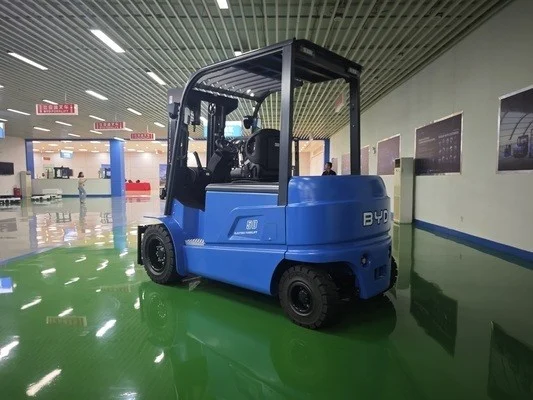
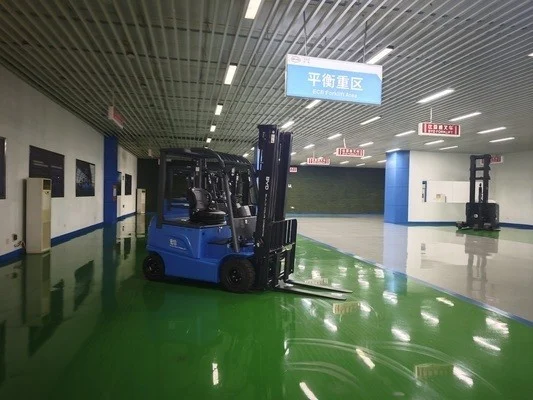
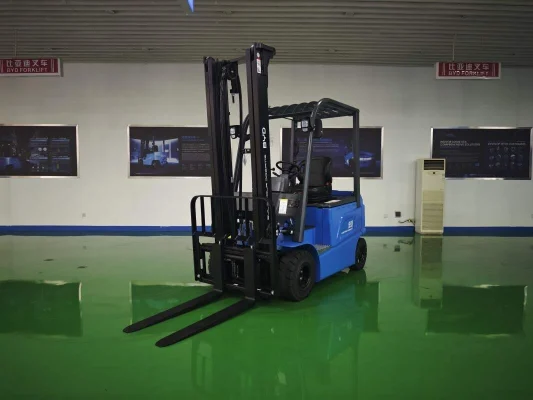
BYD ECB series electric forklifts integrate BYD’s in-house lithium iron phosphate (LFP) battery technology as primary power source. This chemistry delivers higher thermal stability than many other commercial lithium-ion chemistries, reducing risk of thermal runaway in busy warehouse or outdoor yard operations. Unlike lead-acid batteries, BYD’s LFP design supports opportunity charging, which lets operators top up power during break periods without damaging cell health. Most models come with built-in battery management systems (BMS) that monitor cell voltage, temperature and charge cycles in real time. These native monitoring tools create a strong foundation for long operational life, but consistent maintenance keeps performance aligned with original design specifications.
LFP Cell Design Limitations
While LFP technology offers many advantages, it does have specific operating constraints owners must understand. Cold temperatures below -10°C (14°F) reduce temporary energy output, which can lower lifting capacity until cells warm to optimal operating range. LFP cells also require consistent BMS calibration to prevent overcharging or deep discharge events that accelerate cell degradation. Physical damage to battery enclosures, common when forklifts operate in crowded loading docks, allows moisture or debris to enter cell compartments and compromise connections.
Proven Maintenance Practices Supporting Long-Term Operational Reliability
Daily Pre-Operation Checks
Operators should complete quick visual inspections before each shift. Inspect the battery enclosure to identify cracks, dents or loose fasteners that could allow contaminants inside. Confirm charge level meets shift demand; avoid starting a full shift with less than 20% remaining charge to prevent deep discharge events. Verify no loose or frayed cables connect the battery to the forklift’s power system. Any visible damage should get documented and addressed before the forklift enters service.
Monthly Cleaning and Connection Inspection
Dust, pallet fragments and spilled liquids can accumulate on battery surfaces over weeks of regular use. Turn off all power to the forklift and disconnect the battery before starting cleaning work. Use a low-pressure compressed air source or soft, damp cloth to remove debris from connections and enclosure surfaces. Avoid high-pressure water sprays that can force moisture past seals into internal cell areas. Inspect all cable terminals to identify corrosion or loose torque, and re-torque terminals to manufacturer specifications when needed.
Quarterly Calibration and Capacity Testing
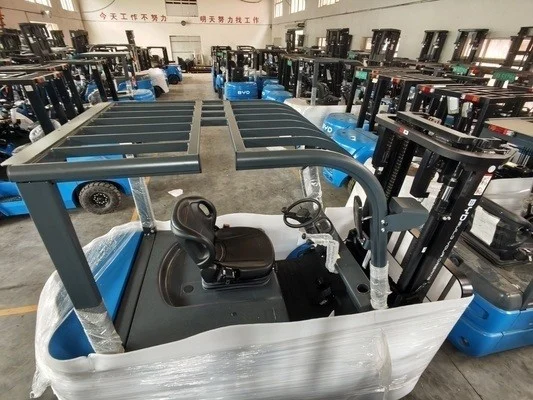
The BMS on BYD ECB forklifts relies on accurate calibration to maintain correct charge readings. Every three months, complete a full discharge cycle down to the manufacturer’s recommended cut-off voltage, then fully recharge the battery to recalibrate the BMS. Record capacity readings during this test to track gradual cell degradation. If capacity drops below 80% of original rated capacity, owners can plan battery replacement before unexpected downtime occurs.
What about maintenance needs across different use cases? High-intensity operations, such as 24/7 distribution centers, demand more frequent capacity testing every two months instead of quarterly. Single-shift operations in retail warehouses can stick to quarterly testing without increased risk of unexpected performance drops. Outdoor operations in wet or dusty environments require monthly enclosure seal inspections, compared to bi-monthly checks assigned to indoor-only units.
When considering a BYD ECB forklift purchase, match battery capacity rating to your daily operational demand. Operations that require 8+ hours of continuous lift work should upgrade to higher capacity battery options offered by BYD, rather than relying on frequent opportunity charging alone. Facilities with extreme cold storage environments should add optional battery heating systems to maintain consistent performance through winter months or sub-zero operating areas.
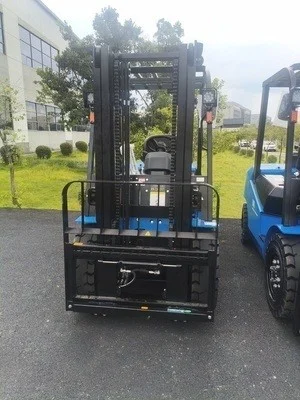
Consistent maintenance preserves battery health and keeps BYD ECB forklift operational reliability high across years of use. Skipping basic checks and calibration leads to premature cell degradation and unexpected downtime that raises operational costs. Following manufacturer recommended maintenance schedules aligns with the design strengths of BYD’s LFP battery technology, maximizing return on your equipment investment.
Frequently Asked Questions
Do BYD ECB forklift batteries require manual equalization charging?
Most BYD ECB forklift models use BMS that automatically balances cell voltages during regular charging cycles. Manual equalization, a common step with lead-acid batteries, is not needed across most operating conditions. Only in cases where individual cell voltage varies more than manufacturer specifications do technicians need to complete manual cell balancing.
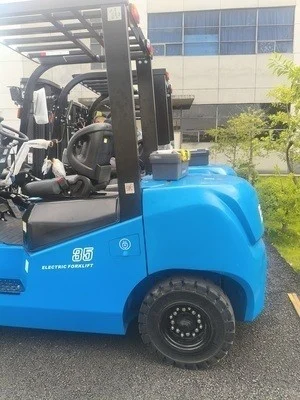
How long does a typical BYD ECB forklift battery last with proper maintenance?
Actual battery life depends on use intensity, operating environment and adherence to recommended maintenance schedules. BYD’s original LFP batteries typically deliver 3,000 to 5,000 full charge cycles under normal operating conditions. With consistent maintenance, many owners achieve 5 to 7 years of regular use before capacity drops require replacement. High-intensity 24/7 operations typically see shorter battery life, between 3 to 4 years even with proper care.
Can I install a third-party LFP battery in my BYD ECB forklift?
BYD recommends using original manufacturer replacement batteries to maintain compatibility with the native BMS and ensure ongoing safety compliance. Third-party batteries may fit physically, but mismatched cell characteristics can cause BMS calibration errors, reduced performance and increased safety risks. Owners who choose third-party replacements typically void any remaining warranty on the forklift’s power system.