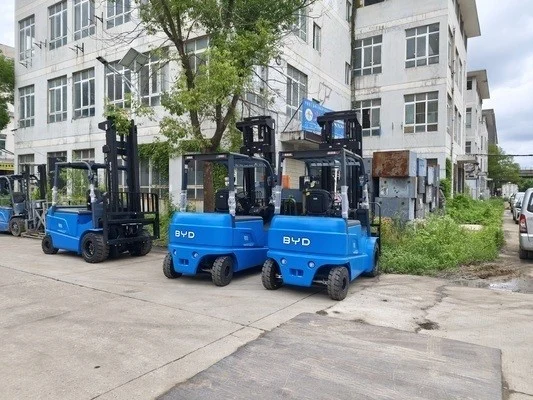
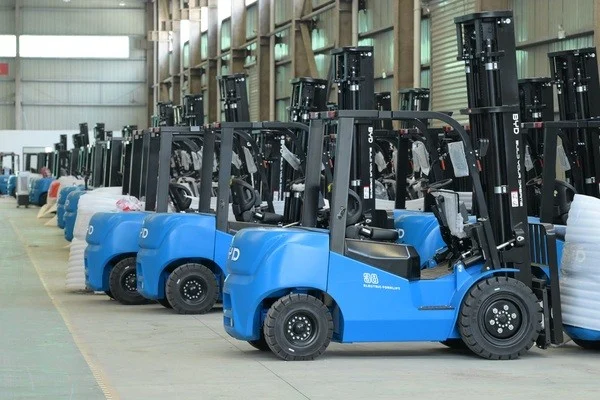
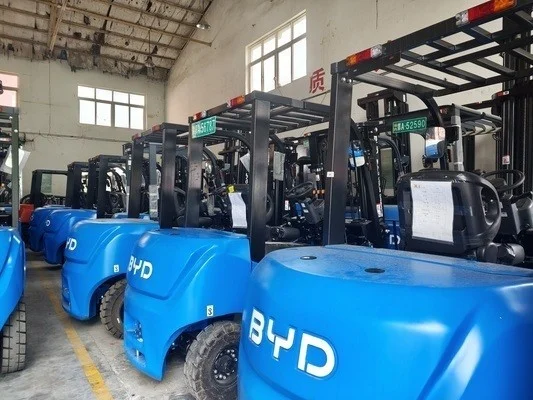
Hygiene Compliance Assessment: BYD ECB forklift in Food and Beverage Processing Facilities
News 16/10/2026
When evaluating material handling equipment within food and beverage processing facilities, hygiene compliance sits at the top of operational priorities. The BYD ECB forklift line, as an electric forklift offering, draws attention from facility managers seeking clean energy-powered material handling solutions that align with strict industry hygiene rules. This assessment breaks down core requirements, key configuration checks and actionable guidance help facility teams evaluate compliance match with their specific operational needs.
Core Hygiene Requirements Within Food and Beverage Processing Operations
Food and beverage processing facilities face unique contamination risks from material handling equipment. Any surface that traps food debris, leaks fluid, sheds material or harbors microbial growth can compromise product safety and lead to costly compliance violations. Common operational norms include frequent high-pressure cleaning with strong sanitizing chemicals, so equipment must withstand repeated exposure these substances without degradation.
Not all forklift types align equally well these environments. Internal combustion models carry inherent emission-related contamination risks, making electric models the default choice most facilities. When assessing any electric forklift including the BYD ECB line, evaluation focuses on design and material choices that reduce contamination risk and simplify daily cleaning.
Key Configuration Parameters Hygiene Compliance Assessment
Frame and Exposed Surface Materials
Parameter focus: All external and semi-exposed materials that contact air, debris or cleaning chemicals within the facility.
Industry relevance: Low-quality materials chip, corrode or peel over time, releasing small particles that can contaminate food product. Porous materials also trap bacteria and are impossible to sanitize fully.
Assessment steps: Check material specification documentation from the supplier. Identify non-porous, smooth surfaces that resist debris adherence.
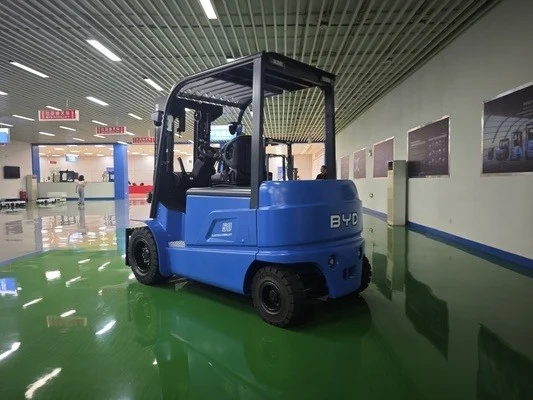
Configuration tradeoffs: Stainless steel surfaces offer best corrosion resistance but come with higher upfront cost. Powder-coated steel works well many facilities if the coating meets impact and chemical resistance standards, but you must verify coating quality prevents chipping.
Sealing and Crevice Design
Parameter focus: Gaps, seams and enclosures around electrical components, battery compartments and fasteners.
Industry relevance: Open gaps and deep crevices trap food particles, spills and dust. These areas become breeding grounds bacteria and are difficult to reach during routine cleaning.
Assessment steps: Run a visual check all seams between frame components. Ask supplier whether all electrical connectors and battery compartments feature full moisture-resistant sealing. Measure gap widths at connection points to identify areas that will trap debris.
Configuration tradeoffs: Fully sealed enclosures reduce contamination risk but may add complexity during routine maintenance. Confirm maintenance teams can still access key components without damaging seals when service is needed.
Chemical Compatibility
Parameter focus: Material reaction the sanitizing and cleaning chemicals your facility uses on a daily basis.
Industry relevance: Many common sanitizers cause corrosion, cracking or discoloration on incompatible materials. Degraded materials create contamination risk and shorten equipment service life.
Assessment steps: Share your facility’s full list cleaning chemicals with the supplier. Request confirmation all exposed materials, including seals, paint and fasteners, withstand repeated exposure your chemical mix.
Configuration tradeoffs: Higher-grade compatible materials extend service life in facilities with daily high-pressure cleaning, but add cost. Facilities with less frequent cleaning or indirect food contact zones can opt standard materials with proper cleaning protocol adjustments.
Common BYD ECB Forklift Configuration Comparison
The table below outlines common configuration options, their associated hygiene risks and items you must confirm with your supplier before placing an order. All availability information depends on specific model and regional offerings, so always verify details with your local dealer.
| Configuration Type | Potential Hygiene Risk | Items Confirm With Supplier | Typical Availability |
|---|---|---|---|
| Standard Painted Steel Frame | Chipped paint can release particle contamination | Paint coating impact and chemical resistance ratings | Standard |
| Enclosed Sealed Frame | Seal degradation over time with repeated cleaning | Seal material and warranty coverage | Optional |
| Stainless Steel Exposed Fasteners | Corrosion from frequent cleaning | Material grade matching your cleaning chemicals | Optional |
| Open Frame Design | Food debris and dust trapping in gaps | Ability to access all gaps during deep cleaning | Standard |
Frequently Asked Questions
Which forklift areas create greatest contamination risk food processing facilities?
The highest risk areas include gaps between frame components, undercarriage sections, fasteners, battery compartment seals and mast guide channels. These areas often trap food debris and are overlooked during routine cleaning. Assessment must focus on accessibility these areas and design choices that reduce debris trapping.
Can standard configuration BYD ECB forklifts work low-risk food facility zones?
Standard configuration models can operate within low-risk zones such as finished goods warehouses where no direct contact open food product occurs. Facility teams still need implement more frequent deep cleaning schedules and inspect paint regularly for signs chipping or degradation.
Do electric BYD ECB forklifts offer inherent hygiene advantages over other power types?
Electric models produce no exhaust emissions, which eliminates one major contamination source common with internal combustion models. Inherent hygiene performance still depends entirely on body design, material selection and sealing, not just power type. Always assess these design factors regardless power type.
Assessment of BYD ECB forklift hygiene compliance always depends on your facility’s specific risk level, cleaning routines and compliance requirements. Working closely your local dealer to align configurations your operational needs helps ensure long-term compliance and reliable performance.