A Guide Assessing BYD counterbalance forklift Suitability Across Varied Warehouse and Manufacturing Settings
News 04/10/2026
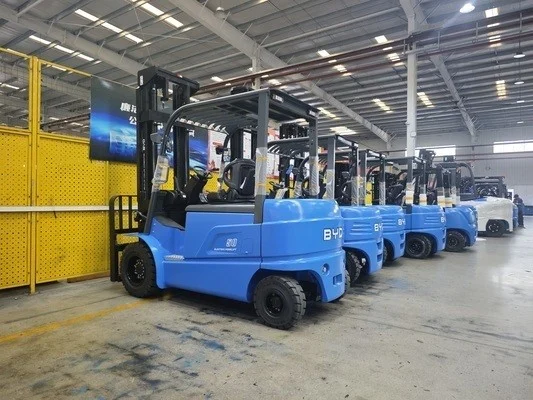
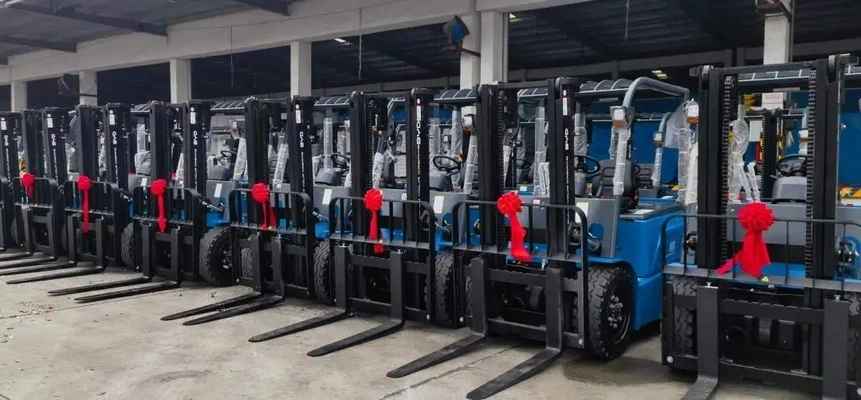
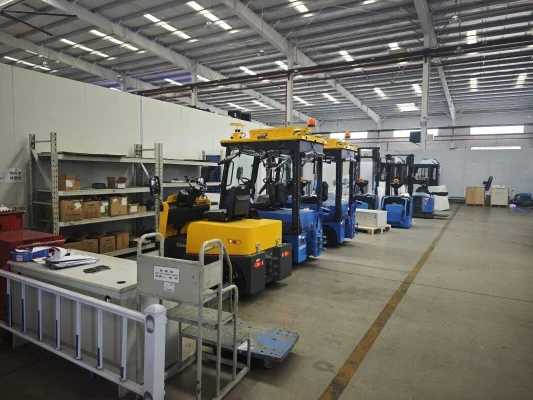
Choosing the right material handling equipment directly impacts operational efficiency, worker safety and long-term ownership costs. BYD counterbalance forklifts rank among popular options across many industrial settings, but their suitability varies based on your unique space, load requirements and environmental conditions. This guide walks through step-by-step assessment to help you determine if these units match your operation needs.
Core Characteristics of BYD Counterbalance Forklifts
BYD produces most counterbalance forklifts powered by its own lithium iron phosphate (LFP) battery technology, with a smaller range of internal combustion models sold across specific regional markets. Key inherent traits shape their performance across different settings:
LFP Battery Benefits
LFP batteries deliver zero on-site emissions, which eliminates harmful exhaust fumes in enclosed spaces. These batteries also support opportunity charging, meaning operators can top up charge during short breaks without damaging long-term battery health. They require less routine maintenance than lead-acid batteries or internal combustion engines, cutting regular service time.
Inherent Design Traits
Counterbalance forklifts use a rear-mounted counterweight to offset heavy loads carried at the front. This design lets them handle heavier loads than many other forklift types, but requires more maneuvering space than narrow-aisle specific units. BYD offers models across a wide range of load capacity ratings, from light indoor use to heavy outdoor lifting.
Suitability Assessment: Common Warehouse Settings
Warehouses vary dramatically in layout, traffic flow and exposure to outdoor elements. Below we break down performance across the most common warehouse types:
Enclosed General Storage Warehouses
Zero emissions make BYD electric counterbalance forklifts fully compatible with enclosed indoor warehouses where ventilation remains limited. They operate at lower noise levels than internal combustion models, creating a safer work environment for staff working nearby. The main limitation here applies to facilities with very narrow aisles: most counterbalance models require wider turning clearances than reach trucks or order pickers, so they cannot efficiently navigate aisles under 3 meters in most cases. Measure your narrowest working aisle before committing to a purchase.
Outdoor Yard Storage
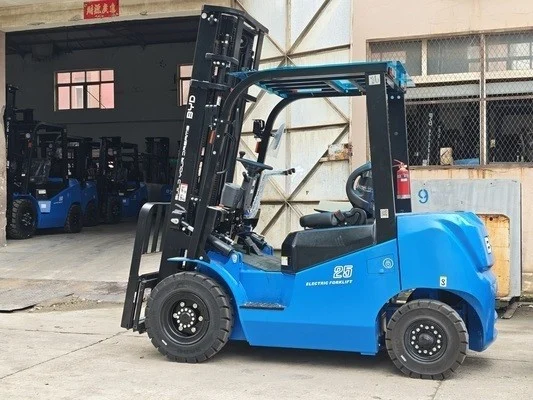
Many BYD counterbalance forklift models come with rugged pneumatic tires and weather-sealed components that work well in outdoor yard storage. LFP batteries maintain consistent performance across most moderate temperature ranges, so they can handle seasonal outdoor operations in most regions. Extreme cold can reduce battery output, so operations in consistently sub-zero climates should test battery performance under local conditions before large-scale adoption.
Suitability Assessment: Common Manufacturing Settings
Manufacturing facilities have unique requirements tied to their industry and production processes:
Automotive and Electronics Component Manufacturing
These operations require consistent, low-emission operation within assembly facilities. BYD counterbalance forklifts handle regular transport of heavy components across production floors, and full-shift operation on a single charge matches most standard work schedules. Zero emissions preserve healthy indoor air quality among assembly line workers, making these units a strong option within this industry segment.
Food and Beverage Processing
BYD electric models eliminate oil and fuel leaks common with older internal combustion units, which simplifies cleaning and meets basic hygiene requirements within food production areas. Operations that use regular high-pressure washing to clean equipment must confirm the selected forklift has a high enough ingress protection rating to prevent water damage to electrical components.
Heavy Goods Manufacturing
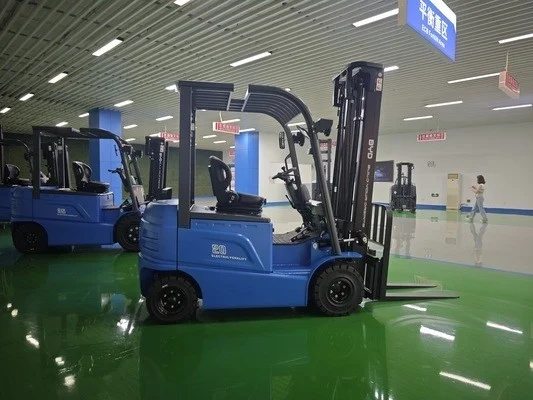
BYD offers high load capacity counterbalance forklift models that can handle large, heavy finished goods and raw materials. Operations working with abrasive metal or concrete debris should select reinforced tire options and protective enclosure kits to extend component service life. Always confirm the rated load capacity aligns with your heaviest regular load, including any attachments you add to the carriage.
Key Selection Factors Your Operation
Beyond setting, these factors directly impact long-term suitability:
- Aisle width: Measure the narrowest aisle your forklift must navigate regularly. Counterbalance models need more space than narrow-aisle specialized units, so tight layouts may require alternative equipment.
- Charging infrastructure: You need accessible charging points near your work area to take advantage of opportunity charging. Plan for charging locations that do not block regular traffic flow.
- Mixed use needs: If your team moves between indoor and outdoor spaces daily, confirm the model you select has appropriate weather sealing and tire type suited to both environments.
- Local temperature ranges: Extreme hot or cold temperatures impact LFP battery performance, so account for your local climate when evaluating models.
Frequently Asked Questions
Are BYD counterbalance forklifts lower cost to own than other models?
Total ownership costs depend on your local energy prices, usage intensity, and labor rates for maintenance. LFP battery models typically require less routine maintenance than internal combustion or lead-acid electric models, but upfront purchase prices may differ. Calculate total costs based on your own operational data before making a final decision.
What conditions reduce BYD counterbalance forklift performance?
Extreme temperatures outside the range of -10°C to 45°C can reduce LFP battery output and shorten operating time per charge. Constant exposure to high-pressure water spray or abrasive debris can damage unprotected components, so always select models with the right protection ratings your environment demands.
Can BYD counterbalance forklifts operate across both indoor and outdoor spaces?
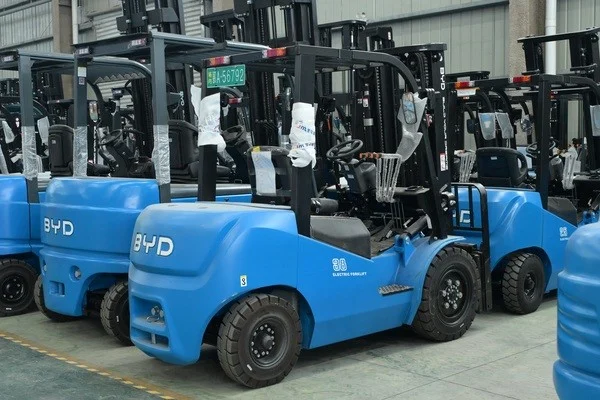
Many BYD models come engineered to support dual use. Check tire type and weather sealing before purchasing: solid pneumatic tires work well across both smooth indoor floors and rough outdoor ground, while cushion tires work best exclusively on smooth indoor surfaces.
How long do BYD counterbalance forklift LFP batteries last?
Battery service life depends on charging habits, average depth of discharge, and operating temperatures. BYD publishes official warranty terms for its batteries, so check official product documentation specific to your selected model for accurate details.
Final Assessment Steps
After you map your operational requirements against the criteria above, request an on-site demonstration from your local dealer if possible. This lets you test maneuverability in your aisles and check performance under your typical working conditions. BYD counterbalance forklifts deliver strong value across most general-purpose indoor and moderate outdoor operations, but they are not the best fit for extremely narrow aisles or operations facing consistent extreme temperatures.