How to Align Warehouse Electric Forklift Specifications With Your Daily Operational Load Requirements
News 05/10/2026
Selecting correct material handling equipment directly impacts warehouse productivity, maintenance costs, and worker safety. Many operations invest in lifting equipment that does not match actual daily load needs, leading to either overspending on unused capacity or frequent breakdowns from overloading. This guide walks through practical steps align warehouse electric forklift specifications your unique daily operational load requirements.
Start With An Audit Of Your Daily Operational Load
Before you review any forklift spec sheets, collect clear data your actual daily operation. Guessing load size or frequency leads to incorrect specification matching. Conduct an audit across multiple business days capture peak and average load characteristics.
Document Key Load Characteristics
Track core metrics during your audit to build a clear picture your needs: maximum single load weight, average load unit size, how often you lift loads to maximum height, any uneven load distribution like pallets with shifted cargo, and peak daily operation volumes. This data creates a baseline you use compare against candidate forklift specifications.
Most operations make one of two common mistakes at this stage: overestimating maximum load leading to oversized, overpriced equipment, or underestimating peak demand leading to constant overloading. A multi-day audit eliminates most of this error.
Match Core Forklift Specifications Your Load Requirements
Once you have clear load data, match each key specification to your documented needs. Core electric forklift specifications directly impact performance with your daily loads:
Rated Load Capacity
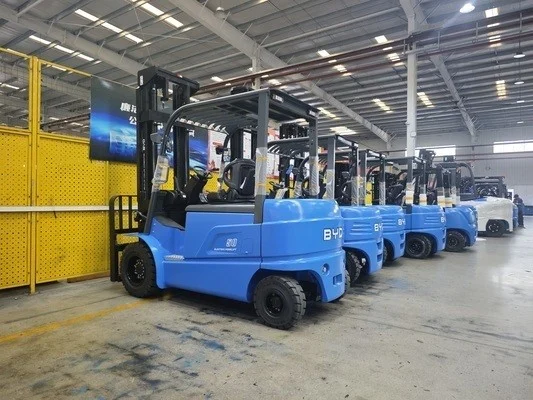
The rated load capacity printed on your forklift data plate corresponds to maximum load at a specified load center. Most standard pallets use a 24-inch load center; if your loads are longer or wider, your effective operating capacity drops. Add a 10-15% buffer to your maximum recorded load to protect against unexpected overweight cargo and gradual capacity loss as equipment ages.
Maximum Lift Height
The highest racking level in your facility determines your required maximum lift height. Add extra clearance needed when placing loads above the top rack level. Do not forget mast deflection under full load reduces your actual reach capability, so account this in your spec selection.
Battery Capacity And Power Output
Warehouse electric forklift rely entirely on battery power through full work shifts. Higher daily lift cycles and longer travel distances across your facility require larger battery capacity avoid mid-shift power outages. If your facility runs multiple daily shifts, you need to plan either extra batteries during scheduled swap out, fast charging infrastructure, or higher capacity battery units.
Chassis Size And Turning Radius
Your narrowest working aisle width dictates acceptable chassis size and turning radius. Narrow aisle warehouses need stand-up or reach electric forklift with smaller turning radius, while standard counterbalance models fit wider aisles but cannot maneuver tight spaces. Chassis size also impacts clear access to racked loads in tight configurations.
Address Special Operational Constraints
Beyond basic load and aisle data, your facility may have unique constraints that adjust required specifications:
- Cold storage facilities need cold-rated batteries and sealed electrical components; standard units fail in low temperature environments.
- Sloped floors or ramp travel between facility levels require higher motor torque maintain consistent speed and power under load.
- Unusually shaped loads such as long lumber or bulky crates need compatible attachments, and attachments reduce effective load capacity, so you must adjust your rated capacity requirement accordingly.
- Frequent start-stop cycles increase battery drain, so upgrade battery capacity match your operational pattern.
Frequently Asked Questions
Should I Round Up Load Capacity Across My Daily Operations?
Yes, adding a 10-15% buffer to your maximum recorded load weight protects against unexpected overweight cargo, temporary load changes, and gradual capacity reduction as your forklift ages. This buffer prevents overloading that causes premature mast, tire, and transmission damage.
How Does Aisle Width Impact Forklift Selection?
Aisle width directly determines what chassis and turning radius your forklift needs. Narrow aisles (under 11 feet) require specialized reach or stand-up electric units, while aisles over 12 feet fit standard counterbalance forklifts. Always measure your actual working aisle clearance, including space with pedestrian access, before you finalize specifications.
Can One Electric Forklift Handle Multiple Different Load Types?
Multiple load types work well if you match base specifications to your largest, most demanding load requirement. You can add adjustable attachments accommodate different load sizes, but you must recalculate effective load capacity after attachment installation. Avoid using one forklift across extreme ranges of load weight, as this increases wear and energy waste.
What Impact Do Multiple Shifts Have On Electric Forklift Specifications?
Multi-shift operations require either larger high-capacity batteries, extra batteries during scheduled swaps, or built-in fast charging capability. Standard single-shift batteries do not hold enough power to support 16-24 hour daily operation, leading to unplanned downtime mid-shift.
Final Steps Verify Specification Alignment
After you document your load requirements and narrow down candidate specifications, test a unit within your actual work environment over a one to two shift trial period if possible. Test full load at maximum lift height, maneuver through your narrowest aisle, and check battery life across your full work period. Document any issues adjust your specifications before you make final purchase.
Over-specifying increases upfront equipment costs, but under-specifying leads to higher long-term maintenance costs and unplanned downtime that cuts productivity. Balance your budget against your actual daily operational needs to select electric forklift that delivers reliable performance over its service life.