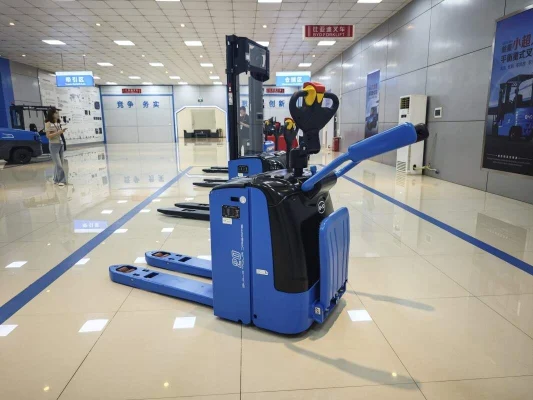
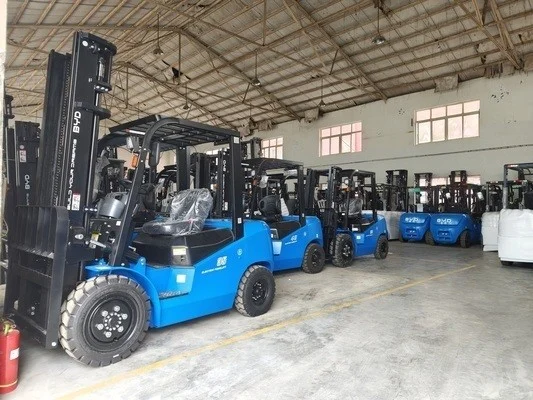
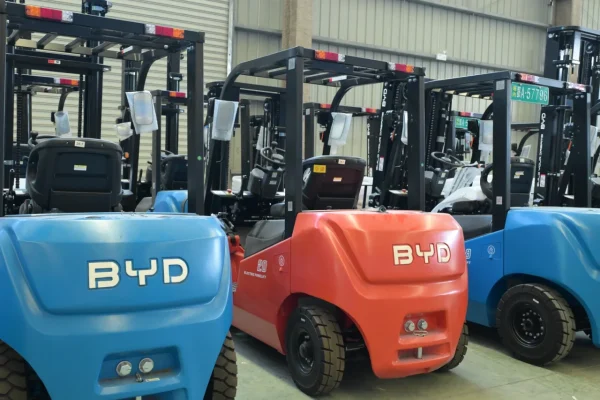
Total Cost of Ownership Analysis: Zero Emission Forklift Transition Across Industrial Sites
News 11/10/2026
Across industrial operations, total cost of ownership (TCO) serves as the core decision metric when facilities consider shifting internal combustion forklift fleets to zero emission alternatives. Industrial facility leaders increasingly prioritize this transition, driven by growing pressure to cut site emissions, comply with regional clean air rules, and reduce long-term operational expenses. This analysis breaks down TCO across different site types to help stakeholders make informed, data-backed decisions.
Core Cost Components Of Transition To Zero Emission Forklifts
Transition costs split into two main categories: upfront capital and ongoing operating expenses.
Upfront Capital Costs
Zero emission forklifts carry higher initial purchase prices than comparable internal combustion models. Additional capital expenses cover charging infrastructure installation, necessary electrical system upgrades at your site, and employee training on new equipment operation and charging protocols. Many regional climate initiatives, utility programs and local government incentives offer financial support toward zero emission material handling upgrades. These incentives can cover a substantial share of upfront infrastructure and equipment purchases, cutting initial investment burden significantly. Eligibility varies by location and project size, so stakeholders should research available programs near your site before finalizing budget projections. Facilities with multiple forklifts can spread infrastructure costs across the entire fleet to reduce per-unit impact.
Ongoing Operating Costs
Zero emission models deliver lower recurring costs compared to internal combustion alternatives. They eliminate fuel purchases, require fewer routine maintenance steps, and produce fewer part replacements over service life. Internal combustion forklifts require regular service items such as oil changes, fuel filter replacements, exhaust system cleaning and engine tune-ups. These recurring tasks add cumulative labor and part costs over the equipment’s service life. Zero emission forklifts use electric drive systems with far fewer moving parts, eliminating most of these routine service requirements. Brake system service also occurs less often, thanks to regenerative braking systems common on most modern electric models that reduce wear on brake pads and rotors. Charging costs typically stay well below monthly fuel expenses across most operational profiles.
Site-Specific Variables That Impact TCO
No two industrial sites share identical TCO outcomes related to zero emission forklift transition. Key variables include:
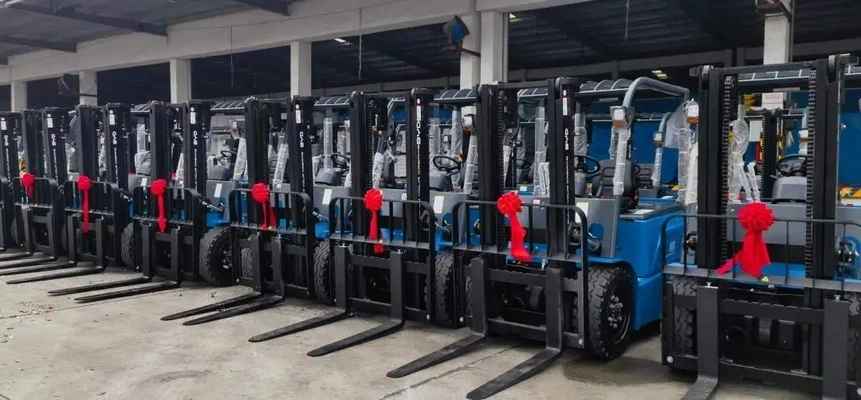
- Annual operational hours: Fleets running multiple shifts see faster cost recovery from lower ongoing expenses
- Existing electrical infrastructure capacity: Sites with already upgraded power systems avoid major upfront upgrade costs
- Local energy pricing: Lower electricity costs accelerate payback periods compared to regions with high utility rates
- Emission regulation requirements: Facilities located in regions with strict emission rules face potential penalties when continuing internal combustion fleet operation, which adds to TCO of keeping old equipment
Even within the same facility, different forklifts face different utilization levels. Assigning zero emission units to the most frequently used machines delivers faster cumulative cost savings, versus placing new units in low-usage storage roles.
Key Selection Criteria Across Industrial Sites
Stakeholders can use these practical criteria to assess transition fit:
- Match battery capacity to your longest shift requirements to avoid mid-shift charging downtime
- Evaluate available space dedicated to charging station placement before finalizing infrastructure plans
- Consider impacts of cold storage operations, as low temperatures reduce battery performance and require adjusted capacity planning
- Prioritize fleet turnover schedules to align new purchases with planned equipment replacement cycles and reduce unnecessary early replacement costs
Smaller sites with just one or two forklifts can start with one zero emission unit to test operational fit before full fleet conversion.
Common Transition Limitations
Zero emission transition does not fit every industrial site right now. Key limitations include:
Extremely heavy load applications: Some high-capacity lifting tasks still lack mature zero emission options with comparable performance to internal combustion models. Facilities in remote areas without reliable grid power face challenges maintaining consistent charging, unless they invest in on-site power generation which adds significant upfront cost.
Extended periods of extreme cold outside climate-controlled facilities can reduce battery run time enough to disrupt daily operations, requiring additional investment in battery warming systems.
Frequently Asked Questions
What is the typical payback period after zero emission forklift transition?
Payback periods range between two and seven years, depending on site-specific variables like operational hours, local energy costs and existing infrastructure. No universal payback timeline applies to all sites.
Do zero emission forklifts match the lifting capacity of traditional models?
Most standard capacity ranges (up to 15,000 pounds) offer matching zero emission options today. Very high-capacity models above that range still have limited zero emission options available.
Can I retrofit existing internal combustion forklifts to become zero emission?
Retrofit kits exist matching some models, but most retrofits fail to deliver reliable long-term performance matching purpose-built zero emission forklifts. They also rarely deliver significant TCO savings compared to purchasing new units.
This TCO analysis shows zero emission forklift transition delivers positive long-term value across most industrial sites, but success depends on careful assessment of site-specific conditions, upfront costs and operational requirements. Stakeholders should complete a site-specific TCO calculation before committing to full fleet conversion to avoid unexpected expenses and operational disruptions.