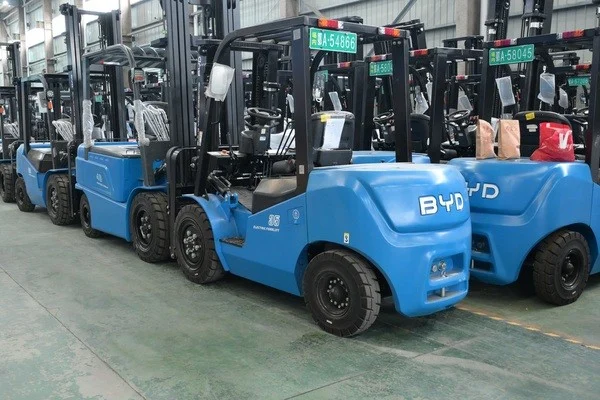
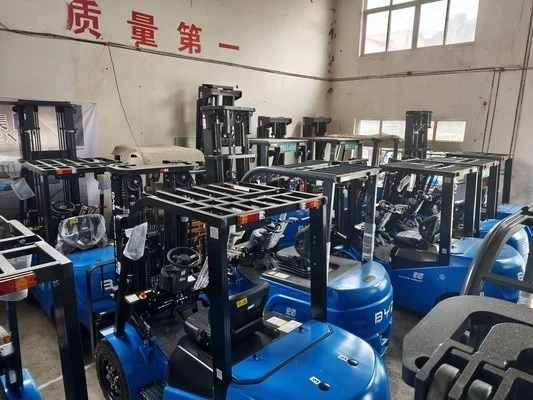
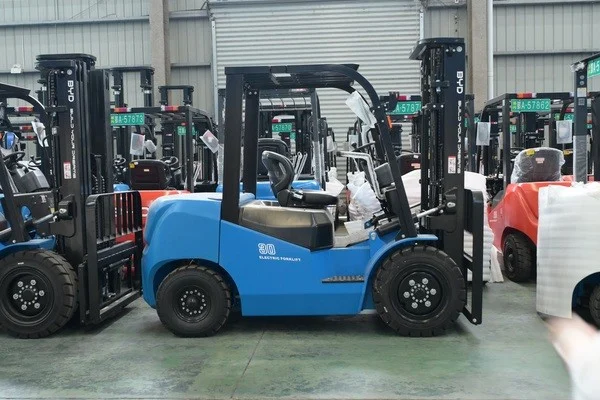
BYD counterbalance forklift: Compatibility Assessments When Deploying Within Existing Industrial Facilities
News 08/10/2026
Many operations look to add BYD counterbalance forklifts to existing fleets because their lithium-ion powertrain offers clear advantages over traditional lead-acid models. But integrating these units into older facilities requires targeted assessments to prevent unforeseen downtime or safety hazards. This guide walks through core assessment areas facility managers need to address before deployment.
Core Facility Infrastructure Assessments
Aisle Width Clearance
BYD counterbalance forklifts come in multiple load capacity ranges, from 1.5 ton units up to 8 ton and larger units. Each model has specific minimum aisle width requirements based on turning radius and load length. Older facilities designed to accommodate narrower reach trucks often have aisles too tight to fit counterbalance models. To assess, measure your narrowest working aisle, compare against the official BYD specification sheet matching your target model. Add at least 15 centimeters extra clearance to accommodate operator error and unexpected load overhang.
Floor Load Capacity And Condition
Lithium-ion powered BYD counterbalance forklifts often have different weight distribution than comparable lead-acid powered units from other brands. Older industrial facilities may have floor load ratings built for… no, rephrased: Older industrial facilities often have floor load ratings matching older, lighter equipment. Assess your facility’s documented floor load capacity, compare against the total operating weight of your selected BYD model, including maximum load. Check existing cracks, uneven grading or weak spots near loading docks or high-traffic areas, as these can worsen with heavier equipment use.
Power Infrastructure Requirements
BYD counterbalance forklifts use on-board lithium-ion charging systems, which require specific voltage and amperage ratings matching the charger unit. Older facilities often have outdated electrical panels that cannot handle additional high-capacity charging loads, especially if you plan to charge multiple units overnight. Assess your current electrical system capacity with a qualified electrician, confirm available power meets charger requirements your selected BYD model specifies. You may need to upgrade panels or add dedicated circuits to avoid tripped breakers or fire hazards.
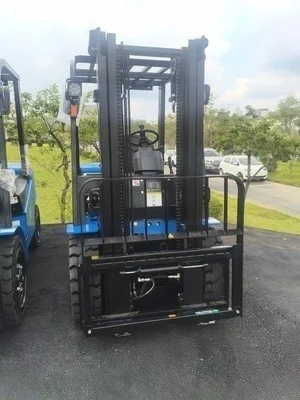
Operational Compatibility Checks
Loading Dock And Dock Opening Fit
Many older industrial facilities have shorter loading dock heights or narrower dock openings that can create issues when using larger capacity BYD counterbalance forklifts. Measure your dock height, compare against the forklift’s standard fork height adjustment range. Confirm the overall width of the forklift (including any side shifter attachments) fits your dock opening without rubbing against bumpers or dock edges.
Ceiling Height And Overhead Obstacle Clearance
When working with high-storage racking or older facilities with low-hanging utilities like HVAC ductwork or pipes, you need to confirm the BYD counterbalance forklift’s maximum lift height leaves adequate clearance above fully raised loads. Even if your racking fits the lift height, low overhead obstacles can create collision risks during operation. Measure clearance at all points where the forklift operates, mark any low areas to increase operator awareness if you cannot modify the obstacles.
Key Limitations To Consider Pre-Deployment
BYD counterbalance forklifts offer many advantages, including longer run times and lower maintenance needs than many traditional models, but they do not fit every existing facility. Common limitations include:
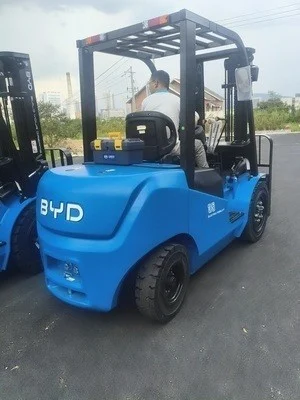
- Outdoor operation: Most BYD counterbalance models come with indoor use ratings. Some larger units carry light outdoor use ratings limited to paved surfaces. They do not support constant use on unpaved or uneven terrain, so if your facility requires regular off-pavement operation, you need to confirm model ratings before purchase.
- Weight limits on older ramps: Sloped loading ramps in older facilities often have lower weight limits than what fully loaded BYD counterbalance forklifts require. Calculate the total weight of the unit plus maximum load, compare against the ramp’s rated capacity before use.
- Cold storage compatibility: Some BYD models do not support constant use in cold storage facilities operating below -10 degrees Celsius. If you need to operate the unit in cold environments, confirm the lithium-ion battery temperature rating matches your facility conditions.
Frequently Asked Questions
Can I use a BYD counterbalance forklift in a facility originally built to accommodate reach trucks?
This depends entirely on your aisle width. Counterbalance forklifts require wider aisles than reach trucks with similar load capacity. If your facility has aisles that meet the minimum width requirement listed in the BYD specification sheet, you can use the unit. If aisles are too narrow, you may need to consider a different BYD model type, such as a purpose-built reach truck instead.
Do I need to modify my existing electrical system to charge a BYD counterbalance forklift?
This depends on your current system capacity. If you only add one or two units, your existing electrical system may handle the extra load. If you add multiple units or upgrade from low-capacity lead-acid chargers, you likely need to upgrade your electrical panel or add dedicated charging circuits. A licensed electrician can complete this assessment before installation.
Are BYD counterbalance forklifts heavier than comparable models other brands offer?
Weight varies by model and power source. BYD’s lithium-ion batteries generally have different weight profiles than lead-acid batteries used in comparable older models. Always reference the official BYD operating weight specification matching your target model, and compare against your facility’s ratings. Do not rely on general comparisons.
What is the first compatibility check I should complete?
Start with aisle width and floor load capacity. These two areas rank as the most common sources of compatibility issues, and they also rank among the most expensive areas to modify after you take delivery of your new forklift.
Actionable Conclusion
Before you purchase or deploy a BYD counterbalance forklift into your existing industrial facility, complete all core infrastructure and operational assessments outlined in this guide. Work with your BYD equipment provider to share your facility specifications, confirm your selected model matches your site requirements. Taking time to complete these assessments upfront helps avoid costly modifications, downtime, and safety hazards after deployment. Prioritize assessments of high-impact areas like aisle width, floor capacity, and electrical power first, and address any gaps before the new forklift arrives on site.