Operational Performance Assessment: BYD ECB forklift in Temperature Controlled Cold Storage Facilities
News 13/10/2026
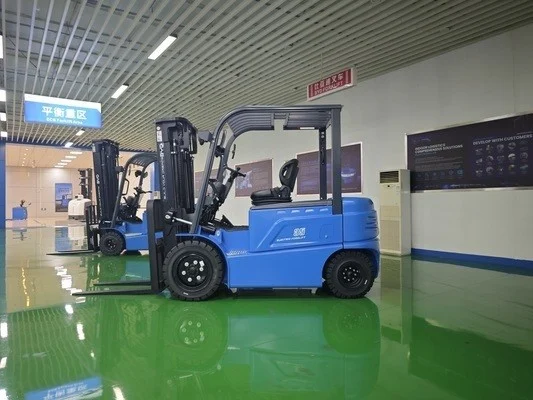
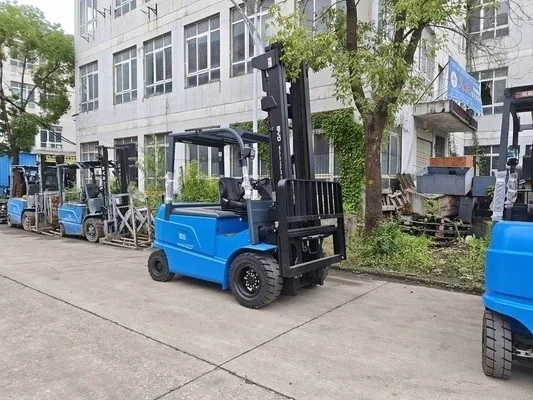
Many cold storage operations rely on electric forklifts to move inventory through temperature controlled spaces. This assessment focuses on BYD ECB series forklifts, how their design interacts with unique demands cold storage environments create, and what operators need to know before integration into their facilities.
Core Operational Challenges Cold Storage Environments Create
Temperature-Induced Component Stress
Constant sub-zero or fluctuating temperatures wear down standard forklift components faster than room temperature conditions. Rubber seals, hydraulic fluids, and electronic systems all face increased stress when temperatures drop below freezing. Brittle seals crack and leak hydraulic fluid, while slow-moving fluid reduces lifting and steering responsiveness. Unprotected electronic systems can suffer from short circuits or intermittent performance issues that disrupt daily operations.
Battery Performance Limitations Low Temperatures
Electric forklift power sources face unique challenges in cold environments. Most traditional battery chemistries see significant drops in available capacity and slower charge rates when temperatures fall. This reduces run time between charges and forces operations to schedule more frequent charging breaks, cutting overall productivity. Cold temperatures also shorten overall battery lifespan when power sources lack proper thermal or chemical protection.
BYD ECB Forklift Performance Key Considerations Cold Storage
Lithium Iron Phosphate Battery Design
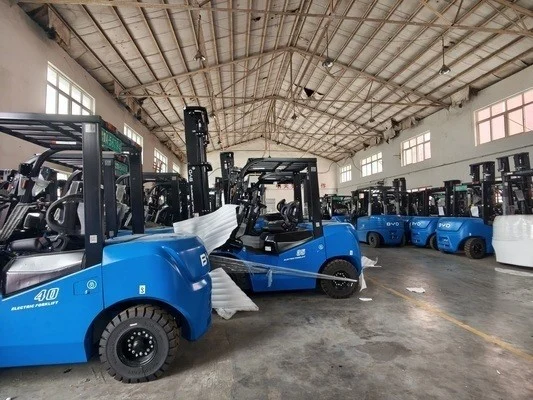
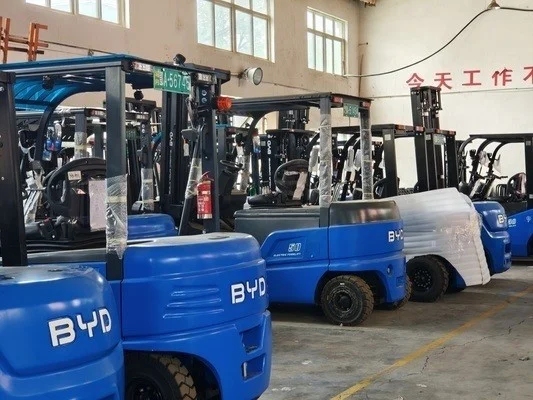
BYD builds ECB series forklifts around its own lithium iron phosphate (LFP) battery technology. LFP batteries naturally maintain better performance in colder conditions than traditional lead-acid batteries commonly found in older electric forklift models. LFP chemistry also offers slower self-discharge rates during periods of low use, which benefits facilities that store equipment inside cold spaces when not in operation. Operators should confirm BYD offers cold-storage rated battery configurations for their specific ECB model before purchase, wait no, correction: Operators should confirm BYD offers cold-storage rated battery configurations matching your specific ECB model before purchase, as standard configurations may not meet demands of facilities operating below -10°C (14°F).
Structural and Component Durability
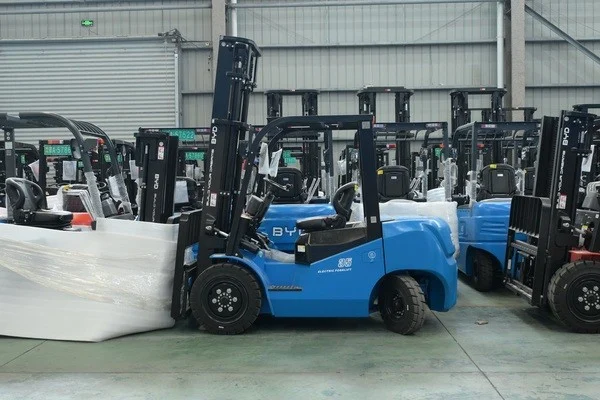
The ECB series features sealed electronic components and corrosion-resistant frames in many standard configurations. Sealed connectors and wiring protect against condensation that forms when forklifts move between cold storage and warm loading docks, reducing risk of moisture damage. Some configurations include low-temperature rated hydraulic fluids and seals that remain flexible in freezing conditions, maintaining steering and lifting responsiveness across shift lengths. Operators must specify their facility’s minimum operating temperature when ordering to ensure components match environmental demands.
Maneuverability in Confined Cold Storage Aisles
BYD ECB series counterbalance forklifts come in multiple capacity ranges that fit most cold storage aisle widths. The compact design of lower capacity models works well with narrow aisles common in modern cold storage facilities, allowing operators to move pallets without damaging racking or inventory. Regenerative braking systems also reduce brake pad wear, which lowers maintenance needs in constant stop-and-go operations common in cold storage order picking and restocking.
Frequently Asked Questions
Can BYD ECB forklifts deliver consistent operation in sub-zero cold storage conditions?
BYD ECB forklifts can deliver consistent operation in sub-zero conditions when ordered with factory cold-storage configuration. Standard configurations work best in facilities that maintain temperatures above 0°C (32°F). Facilities operating at lower temperatures need specialized component and battery upgrades from BYD to maintain reliable performance.
What maintenance adjustments extend BYD ECB forklift service life in cold storage?
Operators should complete daily pre-shift battery checks to confirm capacity and voltage levels. Inspect hydraulic seals monthly for cracking or leaks, and test all electronic systems before each shift. Use only manufacturer-recommended lubricants and fluids engineered to handle your facility’s lowest operating temperature. Store charging equipment in temperature-controlled areas outside the cold storage space to maintain optimal charge rates.
How does BYD ECB forklift total cost compare to other cold storage electric forklifts?
Total cost varies based on facility size, operating temperature, and required capacity. LFP batteries generally offer longer lifespans than lead-acid batteries, which reduces replacement costs over the forklift’s service life. Upfront costs exceed those of standard lead-acid forklifts, but many operations see offsetting gains from longer run times and less frequent maintenance. Exact cost comparisons depend on your specific operational needs and local BYD pricing.
Can BYD ECB forklifts integrate with automated cold storage systems?
Many ECB series models work with basic warehouse management systems (WMS) common in cold storage facilities. Fully automated guided vehicle (AGV) configurations require custom setup through BYD’s commercial team. Operators should share their system integration requirements with BYD representatives before placing orders to confirm compatibility.
Before you select a BYD ECB forklift to use within your cold storage facility, confirm all specifications match your facility’s minimum operating temperature, required lift capacity, and aisle width. Request a demonstration with a cold-configured model to test performance under your actual operating conditions, and review maintenance requirements with your local BYD dealer to ensure you can support the unit long term.