Ergonomic Design Evaluation: BYD ECB forklift Reduces Operator Fatigue During Extended Work Shifts
News 20/10/2026
In logistics warehousing, extended work shifts are common, and forklift operator fatigue directly impacts operation safety and productivity. The BYD ECB forklift centers ergonomic design to address this issue. This article breaks down key design elements, evaluation criteria, purchasing steps and key limitations relevant to long shift operations.
Key Ergonomic Design Elements Impacting Operator Comfort
Adjustable Cab Layout
Adjustable seating and steering components let operators match cab setup to their individual body dimensions, which helps maintain correct posture through entire shifts. Poor posture over multiple hours leads to cumulative back and neck strain, so this flexibility directly lowers end-of-shift fatigue.
When purchasing, test full adjustment range with operators representing your team’s shortest and tallest members. Base models often include core adjustment features, while premium options like adjustable lumbar support may require upgrade. Confirm which features come standard before placing your order.
Integrated Vibration Reduction
Continuous exposure to vibration from uneven warehouse floors or outdoor yard surfaces causes cumulative muscle fatigue and long-term musculoskeletal stress. The BYD ECB series integrates vibration damping into both seat suspension and main frame design to cut overall vibration reaching the operator.
Verify damping performance on your facility’s actual surfaces, with both empty and fully loaded trucks. Performance drops if your facility surfaces have greater roughness than standard warehouse design, so on-site testing remains critical.
Intuitive Control Accessibility
Most logistics operations require frequent load handling cycles, so operators engage controls dozens of times each hour. Placing all frequently used controls within easy reach eliminates repeated stretching, twisting or overextending that causes upper body fatigue.
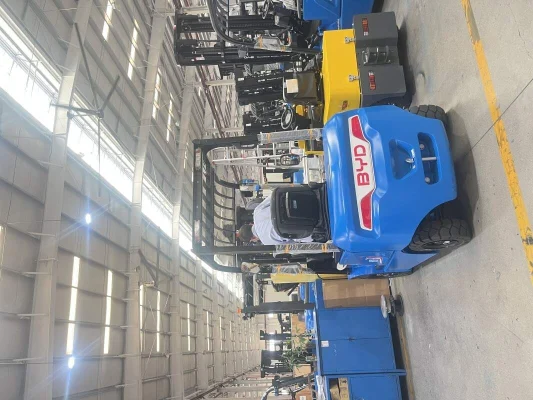
When evaluating, complete 10 minutes of your typical daily tasks to assess whether you can reach all controls without shifting your body out of neutral seated position. Custom control layouts are available upon special request from most authorized dealers.
Ergonomic Evaluation Criteria Long Shifts Logistics Warehousing
The table below outlines core evaluation areas aligned with long shift logistics operations, plus verification steps and configuration notes:
| Evaluation Area | Industry Relevance | On-Site Verification Step | Configuration Notes |
|---|---|---|---|
| Seat Adjustment Range | Supports correct posture across driver body types during multi-hour continuous operation | Test full adjustment range with drivers representing your team’s height and weight range | Lumbar support often available as optional upgrade; confirm availability with your dealer |
| System Vibration Damping | Reduces cumulative musculoskeletal strain from uneven warehouse or yard surfaces | Test drive on your actual facility surfaces under both empty and fully loaded conditions | Effect drops if surface roughness exceeds standard warehouse design thresholds |
| Control Placement | Eliminates repeated awkward stretching or twisting during frequent load handling cycles | Complete 10 minutes of typical load handling tasks while seated to assess reach requirements | Custom layouts available upon special request in most cases |
| Cabin Space | Allows operators to shift position comfortably during long breaks between tasks | Measure headroom and legroom for your tallest driver while seated in operating position | Wider cabins may increase overall vehicle footprint; confirm clearance matches your aisle dimensions |
| All-Around Visibility | Reduces constant neck turning and stretching to check surroundings during navigation | Check all common blind spots from driver seat while mimicking typical navigation tasks | Glare-resistant coatings for windows are often optional |
Purchasing Checklist BYD ECB forklift Long Shift Operations
Follow these steps to confirm the BYD ECB forklift meets your extended shift operation requirements:
- Confirm all core ergonomic features you need included in base configuration, document separate costs and lead times for any optional upgrades
- Arrange on-site test drive that matches your facility actual ground condition and typical load weight your team handles daily
- Invite current forklift operators with experience working extended shifts to join the test drive and share feedback on comfort
- Check maintenance access for ergonomic components, such as seat adjustment mechanisms, to avoid long-term service complications
- Confirm warranty coverage for wear items related to frequent cab adjustment, so you avoid unexpected repair costs down the line
Operator feedback carries more weight than spec sheet ratings, because individual comfort preferences vary widely. A 30-minute test drive with actual work tasks will reveal more about fatigue reduction than any published marketing claim.
Key Limitations To Consider Before Purchase
Ergonomic design benefits depend on matching your specific operation parameters. If your typical daily shifts never exceed four hours, extra investment on premium ergonomic upgrades may not deliver fast payback, so base configuration may meet your needs.
If your facility uses very narrow aisles, the larger cabin space that improves long-shift comfort may increase overall vehicle width and turning radius. You must confirm overall vehicle dimensions match your aisle clearance before finalizing your order, to avoid navigation issues.
Ergonomic components require regular inspection and maintenance. Loose seat adjustment tracks or worn suspension bushings will reduce comfort over time, so you need add cab component checks to your routine maintenance schedule to sustain original comfort levels.
Frequently Asked Questions
Does ergonomic design really change operator fatigue over 10 hour shifts?
Extended continuous operation leads cumulative muscle strain and discomfort from poor posture, repeated awkward movements and constant vibration. Ergonomic design addresses these root causes, so most operators report lower perceived fatigue at shift end. Individual results vary based on operation conditions and operator physical condition, so on-site testing remains the best way verify impact your team.
Can I add ergonomic upgrades to a base model BYD ECB forklift?
Many ergonomic features such as lumbar support, adjustable steering columns or extra vibration damping are available as optional upgrades from original manufacturer. Compatibility varies by base model, so you need confirm upgrade options and pricing directly with authorized dealers before purchase. Aftermarket upgrades may not match original manufacturer fit and finish, so they can deliver inconsistent results.
What cabin visibility features help reduce fatigue during extended shifts?
Unobstructed all-around visibility reduces neck strain from constant turning and stretching to check surroundings. Large cabin windows, low-profile front masts and properly placed mirrors improve overall visibility. When evaluating, check blind spots around the vehicle while seated, confirm glare reduction features work well both indoor and outdoor lighting conditions your facility uses.
Before finalizing your purchase, always confirm all required specifications and configuration details directly with BYD authorized dealers, to ensure alignment your operation needs.