Critical Electrical Forklift Specifications Industrial Equipment Buyers Assess During New Fleet Acquisition
News 02/10/2026
Core Lift Capacity and Dimensions
Lift capacity and physical dimensions are the first specifications buyers evaluate when adding new electrical forklifts to an operational fleet. These specs directly impact safety, productivity and fit within your existing facility layout.
Maximum Lift Capacity
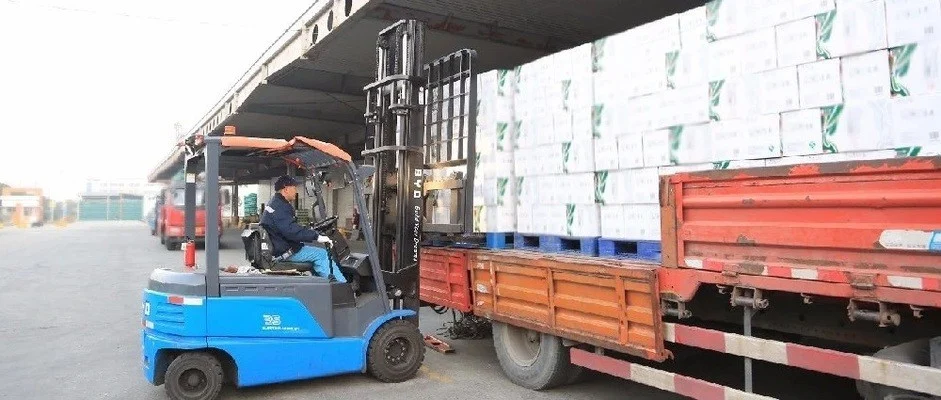
Maximum lift capacity defines the maximum weight your forklift can safely move at standard lift heights. Operations moving heavy pallets or bulk materials require higher capacity ratings. Exceeding rated capacity creates serious safety risks, including tip overs and premature component failure. Buyers must match capacity ratings to their heaviest regular load, not just average load, to account for unexpected oversize shipments.
Maximum Lift Height
Lift height requirements directly tie to your warehouse racking setup. High bay storage needs forklifts with extended lift heights, while ground level loading only needs lower ratings. Different mast types affect overall lift height and collapsed mast height, a key measurement for entry into low ceiling spaces such as shipping containers or mezzanines.
Battery and Power System Specifications
Power system specs determine uptime, operational cost and infrastructure requirements for your new fleet, making them one of the most impactful areas of assessment.
Battery Type and Capacity
Lead acid and lithium ion are the two most common battery types used in modern electrical forklifts. Lead acid options carry lower upfront cost, but require longer charge times and regular maintenance including water top offs. Lithium ion batteries cost more upfront, support opportunity charging, and deliver longer overall service life across full charge cycles. Battery capacity, measured in amp hours (Ah), determines how long your forklift can operate between charges. Multi shift operations need higher capacity batteries or quick swap battery systems to avoid unplanned downtime.
Charging Infrastructure Compatibility
Buyers must confirm new forklift battery systems work with existing warehouse charging setups. Lithium ion batteries require specific chargers matched to their voltage and chemistry, so you may need infrastructure upgrades if you switch from lead acid. Facility power capacity also matters: multiple high speed chargers operating at once can overload older building electrical systems if you do not upgrade service ahead of installation.
Operational and Environmental Specifications
These specs align the forklift to your specific work environment and workflow patterns.
Turning Radius and Maneuverability
Narrow aisle warehouses need electrical forklifts with compact turning radii. A smaller turning radius lets operators move in tight spaces without damaging racking or stored product. Three wheel electrical forklifts typically offer tighter turning than four wheel models, making them well suited to high density storage layouts.
Environment Rating
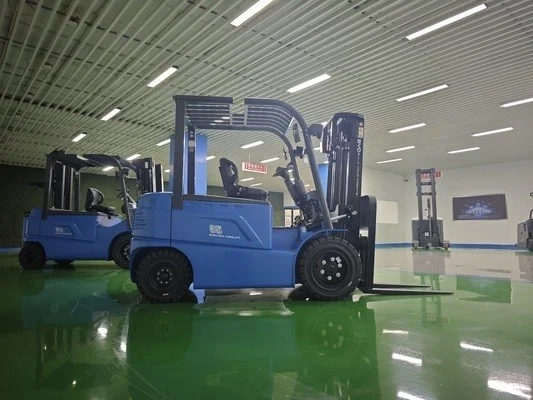
Most electrical forklift designs target indoor use, with sealed components that resist dust and moisture exposure. Models built for outdoor operation have more robust sealing, higher ground clearance, and traction controls suited to uneven pavement. Indoor operations in cold storage facilities require additional cold weather battery packaging to maintain consistent performance in sub zero temperatures.
Safety and Maintenance Specifications
These specs impact long term operating cost and workplace compliance.
Standard Safety Features
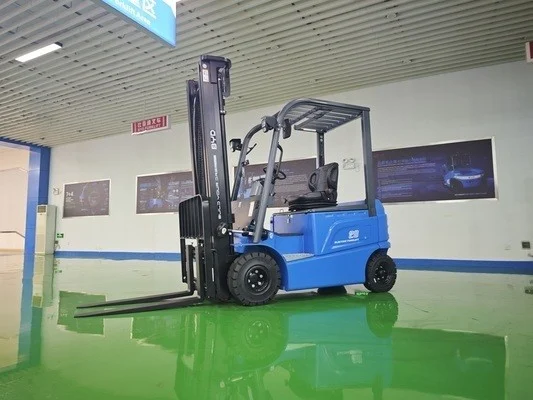
Modern electrical forklifts include built in safety features that reduce accident risk. Common features include overload protection that disables lift functions when load exceeds capacity, automatic parking brakes, operator presence sensing that cuts power when the operator leaves the seat, and audible and visual alarms for movement and lift operations. Buyers should check which features come standard, and which require additional cost as add ons.
Service Accessibility
Easy access to key components reduces routine maintenance time and service labor cost. Modular designs that let technicians reach batteries, motors and control boards without removing major body panels speed up repairs and lower ongoing expenses. Buyers should also review available parts distribution from the manufacturer to avoid long wait times for replacement components when breakdowns occur.
Frequently Asked Questions
What weight capacity fits most common warehouse operations?
Most standard warehouse operations work well with 3,000 to 5,000 pound capacity electrical forklifts. You should always select capacity based on your single heaviest expected load, not average loads, to maintain consistent safe operation.
Can I use an indoor electrical forklift outside?
Short term outdoor use on dry, paved surfaces is typically safe, but prolonged exposure to rain or uneven ground can damage unrated components. Always check manufacturer ratings before operating an indoor model outside regular work areas.
Is opportunity charging compatible with all electrical forklift batteries?
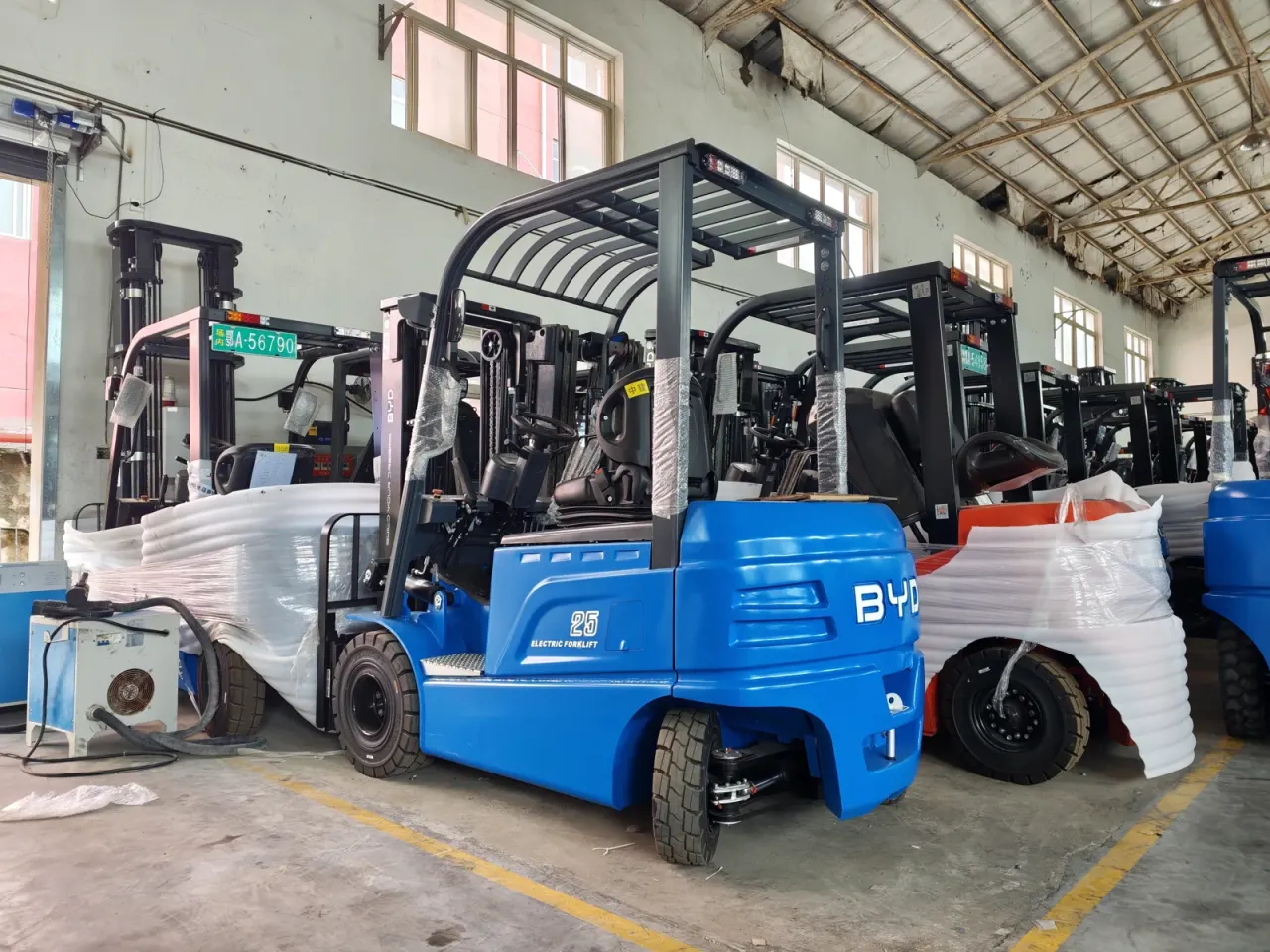
No, opportunity charging only works with lithium ion batteries and some advanced sealed lead acid models. Traditional flooded lead acid batteries require full charge cycles, and frequent partial charging reduces overall service life.
How does mast type affect overall performance?
Standard duplex masts work for most common lift heights, while triplex masts deliver higher lift heights with lower collapsed mast height for low clearance entry. Telescopic masts support outdoor long reach applications, but require more frequent maintenance.
Final Selection Guidance
Before finalizing your new fleet purchase, map all operational requirements to the specifications outlined above. Start with your most demanding daily tasks, then prioritize specs that directly impact safety, productivity and uptime. Test drive any candidate model in your actual facility to confirm maneuverability and performance match your daily needs. Avoid overspending on high capacity or advanced features your operations will never use, but never cut corners on safety specs required by your local workplace regulations. Aligning your selection to these core specs helps you build a fleet that meets your needs and delivers reliable long term performance.