Analyzing BYD Electric Forklift Safety Feature Alignment With Global Industrial Workplace Safety Standards
News 16/10/2026
BYD electric forklifts gain traction across global industrial facilities, as operations seek equipment meeting strict workplace safety requirements. This analysis breaks down how core safety features align with widely accepted global standards, and outlines clear checks procurement teams can complete during evaluation.
Core Safety Features Offered In BYD Electric Forklifts
Most BYD electric forklift models come standard with a set of core safety components, though exact configurations vary based on model and region. Common features include the following:
- Operator presence detection systems: These systems cut power to driving and lifting functions when the operator leaves the designated seat, preventing uncontrolled movement
- Overload protection: Built-in systems alert operators and restrict lifting when load weight exceeds model rated limits
- Emergency stop buttons: Accessible, high-visibility buttons cut all power immediately during crisis events
- Low-speed travel control: Reduces maximum speed when the forks reach high lifting heights, reducing tip-over risk
- Regenerative braking systems: Smooth braking reduces operator fatigue and lowers risk of load shift during movement
- Lithium iron phosphate battery enclosures: Enclosures limit internal damage and contain thermal events in abnormal operating conditions
Many features come standard, but specialized configurations remain optional. Buyers must confirm which features match their facility needs, as some high-risk environments require additional optional components not included in base pricing.
Key Alignment Checks Against Global Industrial Safety Standards
Global industrial workplaces follow several widely recognized safety frameworks, each with specific requirements material handling equipment must meet. The table below outlines common check points, associated facility risks, and items buyers need to confirm directly with BYD or authorized distributors:
| Safety Category | Associated Facility Risk | Required Confirmation From Supplier | Common Optional Add-Ons |
|---|---|---|---|
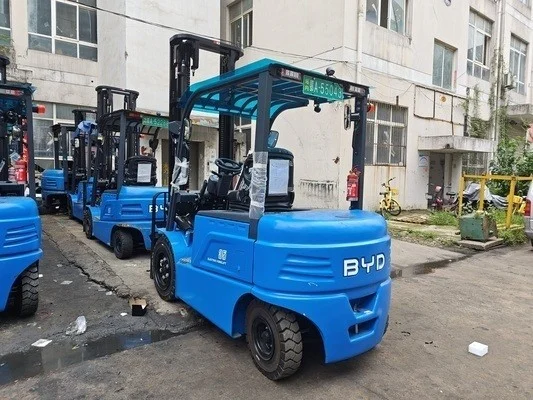
| Operator Protection | Tip-over, falling object impacts | Structural rating of overhead guards and fork guards | Enclosed operator cabins with seat belts and impact absorbing materials |
| Battery Safety | Thermal events, electrolyte leaks, electric shock | Battery system compliance with regional electric equipment safety rules | Battery thermal management systems suited to extreme operating temperatures |
| Visibility | Collision with pedestrians or facility infrastructure | Standard field of view measurements from the operator seat | 360-degree camera systems, proximity sensors, audible motion alarms |
| Braking Performance | Uncontrolled movement on sloped or wet floors | Minimum stopping distance under rated load conditions | Automatic parking brakes that engage when the operator leaves the seat |
| Warning Systems | Unintended movement in high pedestrian traffic areas | Minimum decibel level of motion alarms under operating conditions | Blue LED pedestrian warning lights, speed limiting zones tied to facility beacons |
Each region enforces its own set of mandatory standards, so buyers must confirm alignment with local regulatory requirements, not just general global frameworks. BYD publishes regional compliance documents through authorized distributors, so teams can request copies during the evaluation process.
Procurement Check Steps For Industrial Warehousing
Industrial warehousing represents the most common use case of BYD electric forklifts, with unique safety needs tied to high throughput, multi-shift operations, and frequent pedestrian interaction. Follow these structured steps to assess safety alignment before finalizing purchase:
1. Map Your Facility Specific Safety Requirements
Start by documenting all mandatory safety rules your facility must follow. Include local regulatory requirements, internal company safety policies, and any site-specific hazards common to your operations. Common warehousing hazards include narrow aisles, high racking, wet loading docks, and multi-shift operations with frequent operator changes. This documentation helps you avoid purchasing base models that lack required safety components.
2. Request Detailed Compliance Documentation
Ask your authorized BYD distributor to provide compliance documents matching your regional standards. Do not rely on general marketing claims; ask for specific certificates or test reports that cover the exact model and configuration you plan to purchase. Some distributors can share third-party test results that confirm compliance with leading global standards.
3. Conduct On-Site Test Operations
Arrange a test of the exact configured forklift on your facility floor. Test key safety functions including emergency stop, overload alerts, braking performance, and visibility during actual work tasks. This test helps you identify gaps between stated specifications and real-world performance in your unique operating environment.
4. Confirm Maintenance Requirements For Safety Components
Safety features require regular inspection and maintenance to retain functionality. Confirm what inspection schedules your team must follow, and what spare parts you need to keep on hand to maintain safety components. Ask about training your team can access to complete regular safety checks correctly.
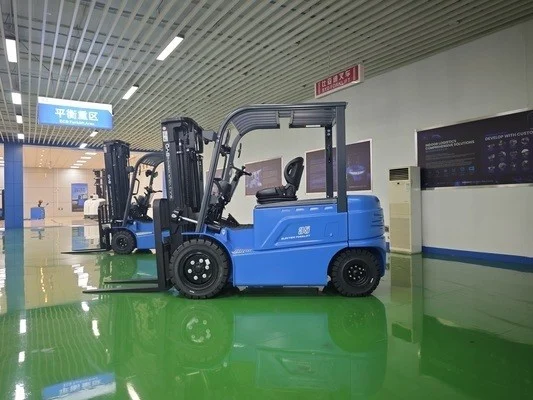
Industrial warehousing operations with high levels of pedestrian traffic should prioritize optional proximity sensors and pedestrian warning lights, even if these components do not count as mandatory under local rules. These add-ons reduce collision risk significantly in high-throughput facilities.
Frequently Asked Questions
Do all BYD electric forklift models come with the same set of safety features?
No. Base safety configurations vary by model, power rating, and regional market. Specialized optional safety components are available only on certain models, so buyers must confirm feature availability for the exact model they intend to purchase.
Can BYD electric forklifts meet European Union workplace safety requirements?
BYD offers models configured to meet EU safety standards through authorized regional distributors. Buyers must request specific compliance documentation matching the purchased configuration before completing purchase.
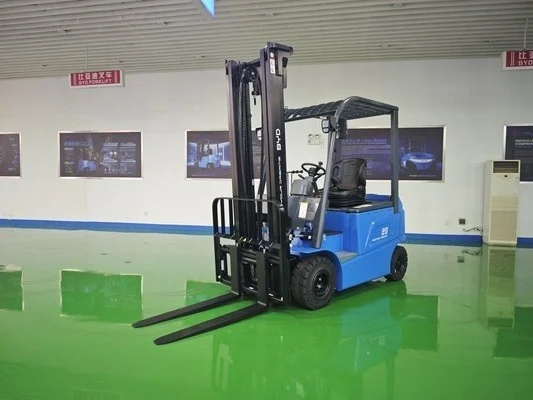
What safety checks should warehouse operators complete daily before use?
Standard daily checks include testing emergency stop function, inspecting brake performance, checking warning system functionality, and inspecting structural components like overhead guards for visible damage. Your team should follow the maintenance schedule provided by BYD for your specific model.
Are battery safety features standard across all BYD electric forklifts?
BYD includes core battery safety features like thermal monitoring and overcharge protection as standard across most electric models. Additional features like extreme temperature heating or cooling systems count as optional for some models, so buyers must confirm these features if they operate in extreme temperature environments.
Proper assessment of safety alignment before purchase ensures your equipment meets your facility needs and reduces workplace incident risk. Always work through authorized BYD distributors to get accurate configuration and compliance information for your region.