Assessing BYD Electric Forklift: Suitability Heavy-Duty Outdoor Material Handling Operations
News 08/10/2026
Core BYD Electric Forklift Design Characteristics
Powertrain and Battery Technology
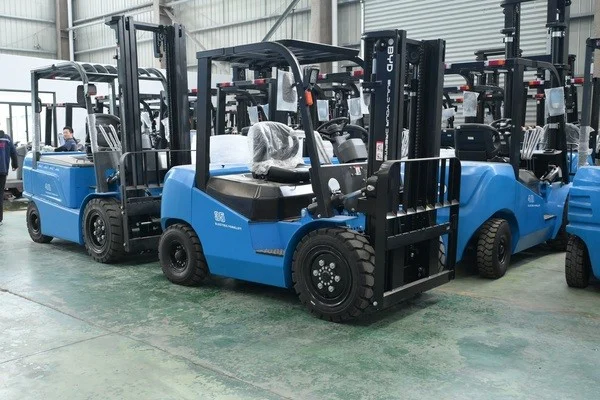
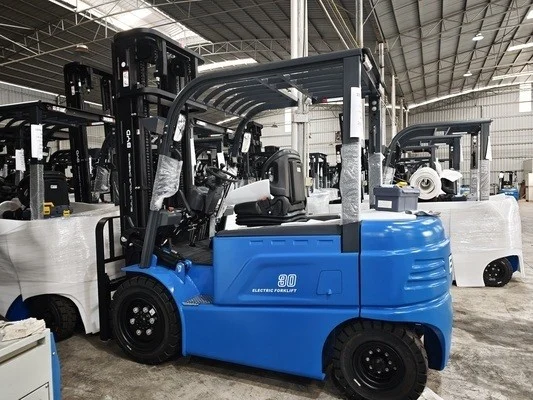
BYD manufactures its own lithium iron phosphate (LFP) batteries, which power all its electric forklift lines. LFP chemistry delivers stable discharge rates and longer cycle life compared to older lead-acid alternatives. Many heavy-duty BYD models offer load capacities ranging from 1.5 tons up to 8 tons, matching most common outdoor heavy lifting needs. The integrated battery design also saves space compared to aftermarket conversions of traditional lift truck frames.
Traction and Chassis Design Engineering Outdoor Use
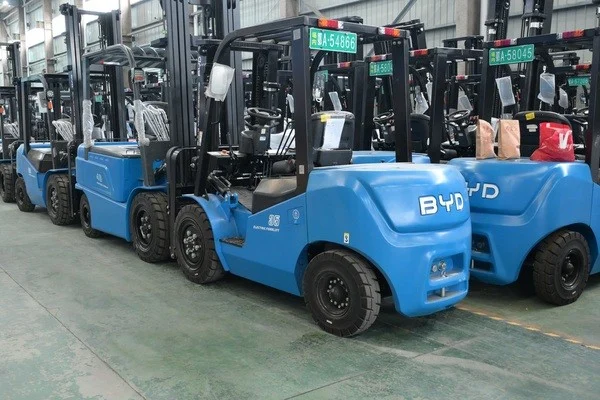
BYD designs many of its larger electric forklift models with sealed electronic components and rugged chassis. Solid pneumatic tires come standard on most outdoor-oriented models, providing better grip on uneven pavement, gravel, or slightly sloped surfaces. Sealed motors and control units resist moisture and dust, common hazards in outdoor work sites. Ground clearance on heavy-duty models meets requirements for most commercial yard and warehouse outdoor access areas.
Key Strengths In Heavy-Duty Outdoor Operations
Lower Operating Noise and Emissions
Unlike diesel forklifts, BYD electric units produce no tailpipe emissions, making them a great choice in work sites that mix indoor and outdoor tasks. Noise levels typically stay below 75 decibels, reducing worker fatigue in extended shifts. This also makes them compatible with operations located near residential areas or public spaces where noise restrictions apply.
Consistent Power Delivery Under Load
LFP batteries maintain consistent voltage output until full discharge, unlike lead-acid batteries that lose power as charge drops. This keeps lifting speed and traction steady even when carrying maximum rated loads up ramps or across uneven ground. Operators report more predictable performance across full shifts compared to older electric and diesel alternatives.
Lower Long-Term Maintenance Needs
Electric powertrains have fewer moving parts than internal combustion engines. BYD LFP batteries require no routine water top-ups, a common maintenance step with older lead-acid batteries. This cuts routine maintenance time and labor costs over the unit service life. Most owners only need to complete regular tire, brake, and chassis inspections to keep units operational.
Key Limitations Impacting Heavy-Duty Outdoor Use
No design is universal, BYD electric forklifts have clear limitations that affect their performance in heavy-duty outdoor applications.
Terrain Restrictions
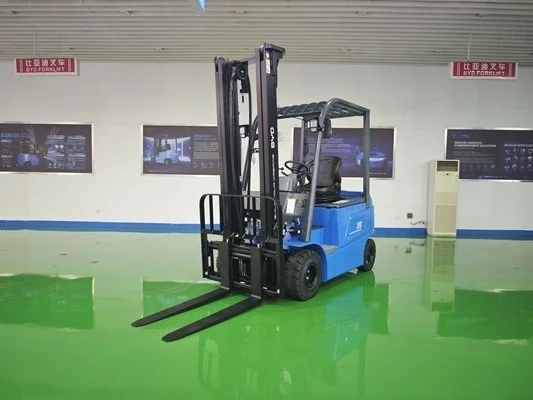
Most BYD electric forklift models are engineered for moderately uneven outdoor surfaces. Extreme terrain, such as ungraded construction sites with large rocks or deep mud, can exceed traction and ground clearance limits. All-terrain specialized diesel or fuel-powered lift trucks often work better in these environments.
Temperature Extremes
While LFP batteries perform better than many other lithium chemistries in extreme temperatures, sustained operation below -10°C (14°F) or above 45°C (113°F) reduces battery capacity and shortens shift length. Operators need extra charging time in these conditions, which can disrupt continuous work.
Charging Infrastructure Requirements
BYD electric forklifts need dedicated high-power charging stations. Remote outdoor work sites without access to reliable grid power cannot support continuous operation, unless they add expensive off-grid solar or generator charging setups.
Practical Selection Guidance
Evaluate Your Work Site Conditions
First, map typical daily tasks: what maximum load do you move regularly? What surface types does your team cover? If your work site stays on paved or packed gravel yards, with temperature ranges between -10°C and 45°C, BYD electric models can meet most heavy-duty needs. If your operations move across ungraded construction sites or remote off-grid locations, you may need alternative equipment.
Compare Total Ownership Costs
BYD electric forklifts often have higher upfront purchase prices than comparable diesel models. Lower ongoing fuel and maintenance costs offset this difference over 3 to 5 years of regular use. Calculate your own cost timeline based on your local energy and labor prices to confirm suitability.
Test Before Full Deployment
Always test a BYD electric forklift on your own work site for 1 to 2 weeks before committing to a large purchase. This lets you verify battery life, traction, and maneuverability match your specific operational needs.
Frequently Asked Questions
Can BYD electric forklifts operate in rainy outdoor conditions?
Most outdoor-rated BYD electric forklifts come with sealed electronic components that resist light to moderate rain. Avoid deep water exposure or prolonged heavy downpours that exceed the unit’s IP rating, which varies by model. Always check your specific model’s official IP rating before use in wet environments.
What is the typical shift length of a heavy-duty BYD electric forklift?
Shift length depends on load size, terrain, and ambient temperature. Most 3 to 8 ton capacity BYD models deliver 6 to 8 hours of continuous operation on a full charge under normal operating conditions.
Do BYD electric forklifts need special maintenance in outdoor use?
Basic regular maintenance includes cleaning debris from the chassis and checking tire pressure, just like internal combustion models. You should also inspect battery cooling vents regularly to prevent dust buildup in dusty outdoor environments. No other specialized routine maintenance is required across most models.
Are heavy-duty BYD electric forklifts more cost effective than diesel alternatives?
Cost effectiveness depends on your usage frequency, local energy prices, and labor costs. For operations that run multiple daily shifts in accessible locations, BYD electric models often deliver lower total ownership costs after several years. For intermittent use in remote locations, diesel models may deliver lower overall costs.
Final Assessment
BYD electric forklifts deliver strong performance in most heavy-duty outdoor material handling operations, as long as your work site meets basic terrain, temperature, and infrastructure requirements. They offer clear benefits around emissions, noise, and long-term operating costs compared to traditional diesel-powered units. They are not suitable for extreme off-road environments or remote off-grid locations with no access to reliable charging. Careful evaluation of your specific work conditions and a short on-site test will help you make the right decision matching your operation’s requirements.