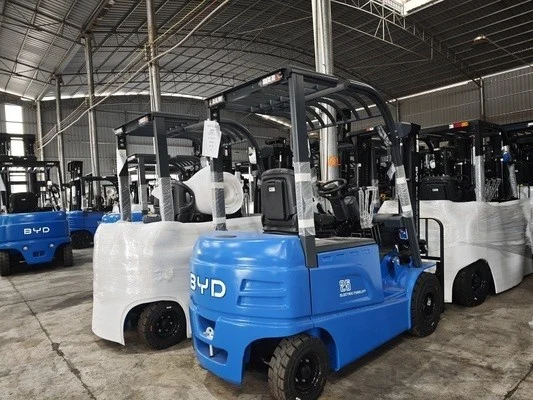
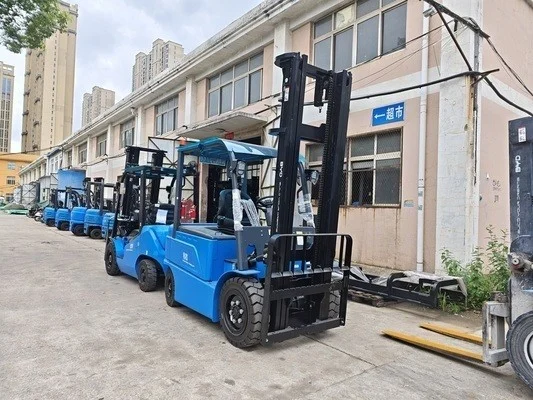
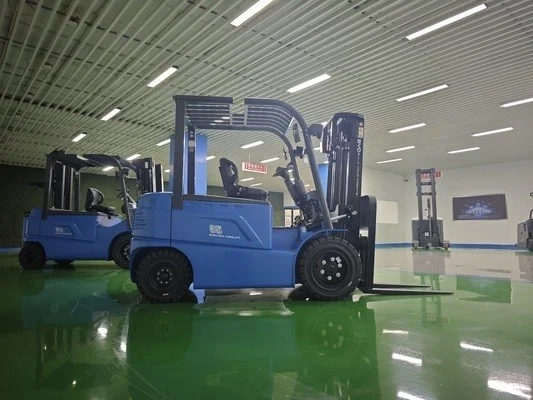
Counterweight Design Variations Impact 5 Ton Electric Forklift Safety and Effective Load Capacity
News 20/10/2026
Counterweight design directly shapes how a 5 ton electric forklift performs during daily operations. Design variations alter center of gravity, overall vehicle weight, and maximum safe load a unit can handle, directly impacting operator safety and operational efficiency. This breakdown covers core functions of the counterweight, common design variations and their impacts, and key questions operations managers and buyers ask when evaluating units.
Core Functions of a 5 Ton Electric Forklift Counterweight
A 5 ton electric forklift carries heavy loads on its front forks, creating forward torque that can tip the vehicle forward if left unbalanced. The counterweight, located at the rear of the forklift, offsets this torque to keep the vehicle stable during operation.
Beyond basic balance, counterweight design also influences several key performance attributes:
- Overall vehicle weight distribution across front and rear axles
- Tip-over resistance on sloped or uneven ground
- Maximum load the unit can handle safely, beyond its stated nameplate rating
- Strain on drive train, steering components, and tire assemblies
Many newer 5 ton electric forklift designs integrate counterweight function with other vehicle systems, creating trade-offs between space, weight, and performance that differ from traditional solid counterweight setups.
How Common Design Variations Change Safety and Effective Load Capacity
Three primary counterweight designs dominate the current 5 ton electric forklift market, each with distinct impacts on safety and usable load capacity. Each design targets different operational priorities, so understanding trade-offs helps you select the right unit your facility needs.
Solid Lead Block Counterweights
This traditional design uses a single large cast lead block mounted to the rear frame of the forklift. Lead’s high density lets designers achieve required balancing weight within a compact footprint.
Solid lead counterweights create a low, consistent center of gravity that improves stability when handling loads near the 5 ton nameplate rating. Operators face lower tip-over risk when working on slightly uneven ground or lifting loads to maximum lift height.
The main drawback comes from added overall vehicle weight. A solid lead counterweight can add several hundred kilograms to the forklift’s total weight, increasing tire wear and reducing energy efficiency between battery charges. This design also requires a larger rear frame profile, which increases turning radius and limits maneuverability in narrow storage aisles.
Battery-Integrated Counterweights
Many modern 5 ton electric forklift use the traction battery itself as part or all of the rear counterweight. This design eliminates need for a separate heavy lead block, freeing frame space and reducing overall vehicle weight.
When engineered correctly, battery-integrated designs maintain stable balance while cutting total vehicle weight, improving maneuverability and energy efficiency. Lower overall weight also reduces stress on warehouse floor surfaces, an important benefit facilities with weight limits on flooring.
Design flaws or incorrect battery configurations can create major issues here. If the battery pack does not provide enough balancing weight, the effective safe load capacity drops well below the 5 ton nameplate rating. Operators face increased tip-over risk when lifting full loads, especially when lifting to significant heights. Larger battery packs needed to add balancing weight also increase upfront cost and require more space for battery swap operations.

Modular Adjustable Counterweights
This design uses multiple smaller removable weight modules mounted to the rear frame, allowing operators or technicians to adjust total counterweight to match specific job requirements.
Modular designs offer flexibility facilities handle varied load types. Units can run with lighter counterweights for light daily tasks, improving maneuverability and energy efficiency, then add modules when occasional heavy loads near 5 tons require extra balance.
Flexibility comes with added risk. Loose or improperly installed modules can shift during operation, altering center of gravity suddenly and creating tip-over hazards. Facilities must also store extra modules when not in use, requiring dedicated storage space. This design also typically carries a higher upfront cost compared to fixed solid designs.
When evaluating any design, always check the manufacturer’s published effective load capacity data your common operating conditions, including lift height and ground slope. Nameplate ratings often reflect ideal conditions, so actual safe load can change based on counterweight design.
Frequently Asked Questions
Can I add extra weight to my existing 5 ton electric forklift to increase load capacity?
Adding unapproved extra weight to a counterweight creates severe safety risks. The forklift’s frame, hydraulic system, and axles are engineered to match the original vehicle weight distribution. Extra weight adds excess stress to critical components, increases rear tip-over risk, and voids all manufacturer warranties and safety certifications. Never modify a counterweight without explicit written approval from the original equipment manufacturer.
Does counterweight design affect battery range on 5 ton electric forklift units?
Yes, heavier counterweight designs increase total vehicle weight, which raises energy consumption during acceleration and travel. This reduces total operating time between battery charges. Lighter integrated counterweight designs cut overall weight, lowering energy use and extending battery range most operating cycles.
What regular inspections confirm counterweight integrity?
Include these checks in your routine preventive maintenance schedule:
- Inspect mounting bolts for corrosion, looseness, or damage
- Check for cracks, chips, or bending in the counterweight housing or frame mount
- Confirm no unapproved modifications alter the original weight or position
- Verify alignment matches manufacturer drawing specifications after any frame repair or collision event
Always address any issues immediately, as compromised counterweight integrity creates immediate safety hazards operators cannot always anticipate during daily use.