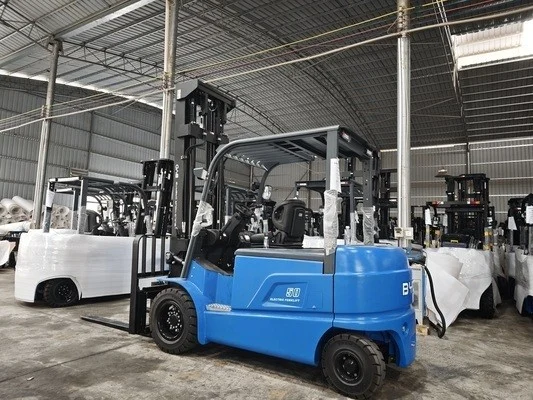
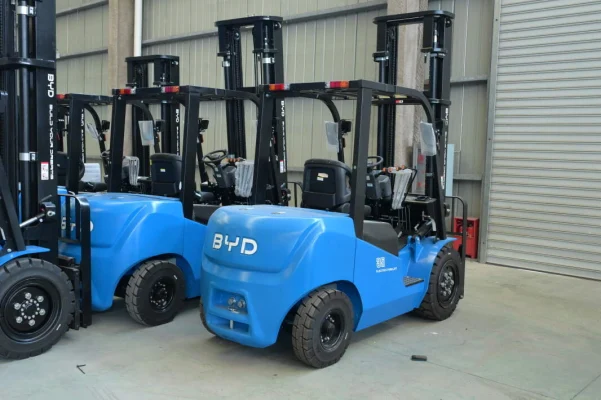
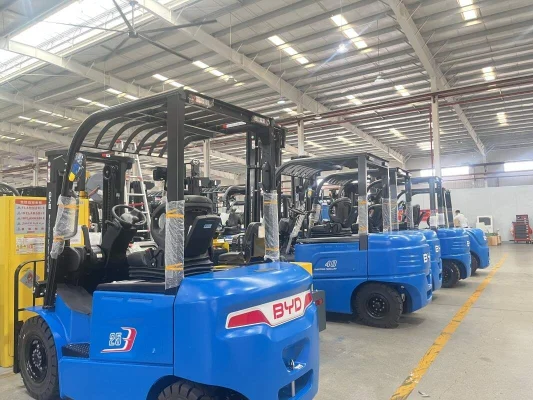
BYD forklift Adoption Benefits Your Daily Industrial Material Handling Operations
News 01/10/2026
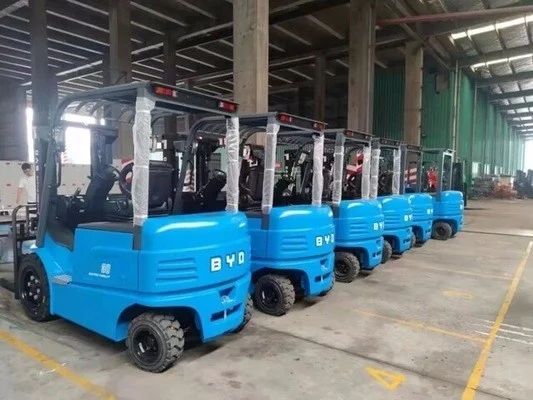
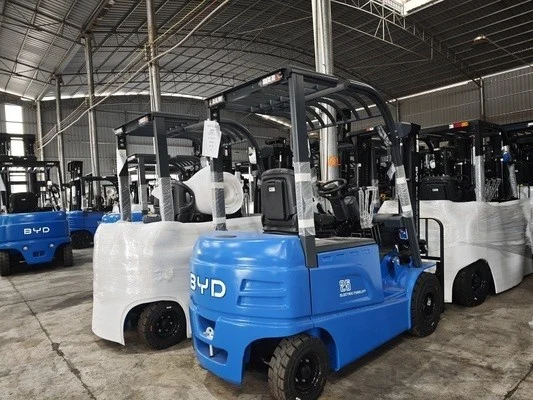
Many industrial facilities seek more efficient, sustainable material handling equipment to streamline daily workflows. BYD forklift, built by BYD — a leading global manufacturer of new energy vehicles and advanced battery technology, leverages the brand’s deep expertise in electric mobility and energy storage to deliver tangible improvements to daily industrial operations. This guide breaks down key benefits, common use cases, selection considerations and common questions about BYD forklift adoption.
Core Advantages Of BYD Forklift In Daily Operations
Core Operational And Environmental Benefits
BYD forklift relies on lithium iron phosphate battery technology, and produces far less noise than traditional internal combustion models. Workers operating equipment multiple hours each shift face far less auditory fatigue when using lower-noise machinery. This reduced fatigue also lowers risk of human error during repetitive lifting and moving tasks, which supports overall workplace safety across daily operations. This creates safer, more comfortable working environments supporting on-site staff, and allows operations inside warehouses or near office areas without disrupting daily work.
Zero emissions make these forklifts ideal solutions supporting indoor operations, closed storage spaces and food processing facilities, and help facilities meet modern workplace environmental regulations. Traditional internal combustion forklifts release exhaust fumes even during regular operation, which builds up in enclosed spaces and degrades indoor air quality impacting worker health and comfort over full work shifts. Many facilities with strict internal health guidelines or regulatory requirements around indoor air quality find zero-emission equipment the only viable option supporting continuous daily operation.
BYD’s battery technology maintains steady power output through most of its discharge cycle, unlike lead-acid alternatives that slow down as charge drops. Many facility managers recognize sudden power drops from discharged or aging lead-acid batteries can bring material handling workflows to a halt mid-shift, requiring unplanned equipment swaps that delay production, shipping or order fulfillment. This consistent power output keeps material handling workflows consistent across full work shifts, eliminating unexpected slowdowns that derail productivity.
Common Real-World Application Scenarios
Primary Industry Applications
BYD forklift fits a wide range of industrial material handling settings, with benefits aligning with specific operational needs across different industries:
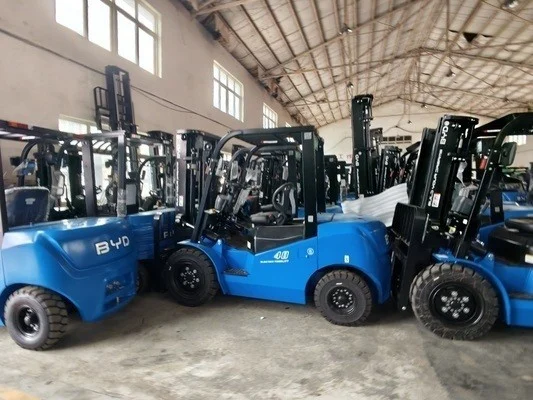
Retail Distribution Centers
Daily loading and unloading of pallets, moving goods to storage racks, and continuous operation across multiple shifts run smoothly with BYD forklift. Retail distribution centers handle high volumes of inbound and outbound goods daily, often with back-to-back shifts keeping pace with customer order demands. Low noise lets operations continue during standard working hours without disrupting adjacent office or customer-facing spaces, and also allows night shift operation near residential or commercial areas without violating local noise limits.
Manufacturing Plants
Operations moving raw materials to production lines, and transporting finished goods to outbound storage gain consistent power from BYD electric models. Many manufacturing plants run continuous production lines, so any delay moving materials can ripple across the entire operation and lead to lost output. Zero emissions improve air quality within production floors, benefiting worker health over long shifts.
Food And Beverage Processing Facilities
Zero emissions meet strict hygiene and environmental standards required within this industry. Food and beverage operations cannot allow exhaust emissions that could potentially contaminate products or production areas, making zero-emission equipment a critical requirement. Low noise does not disrupt production schedules or violate workplace noise regulations protecting worker health.
Key Selection Considerations And Limitations
Critical Pre-Purchase Evaluation Points
BYD forklift delivers clear benefits, but adoption requires careful evaluation against your site’s specific conditions. Key considerations include:
Upfront Cost Planning
BYD forklift often carries a higher upfront cost than conventional lead-acid or internal combustion models. While most operations see lower total cost of ownership over the equipment’s lifespan thanks to reduced maintenance and energy costs, this makes adoption easier when operations have longer planning horizons and focus on long-term operational savings, rather than prioritizing lowest initial spending. Facilities working with limited short-term capital can explore structured upgrade plans spreading costs across multiple budgeting cycles.
Charging Infrastructure Needs
You need dedicated charging space aligned with BYD’s battery specifications to maintain optimal battery lifespan. Facilities must allocate appropriate space near core material handling routes to install charging equipment, most often used during off-hours when forklifts are not in operation. Outdoor operations in extreme cold or hot regions may require adjusted charging protocols to preserve consistent performance over time.
Load Capacity Matching
BYD offers multiple load capacity ratings across its product line. You must match the forklift rating to your heaviest regular load to avoid premature component wear and safety risks. Choosing a model with insufficient load capacity can lead to accelerated wear on brakes, tires and lift systems, and creates unnecessary safety hazards for your team during daily operation.
Frequently Asked Questions
Common User Questions
Can BYD forklift operate in outdoor industrial environments?
Many BYD forklift models feature weather-resistant designs that perform well in outdoor industrial environments. Extreme temperature conditions may reduce battery performance, so you should check model specifications against your local climate before final adoption. Models engineered for outdoor use include weather sealing that withstands regular exposure to common outdoor conditions like light rain and dust.
How long does BYD forklift battery last?
Battery lifespan depends on usage habits, charging protocols and environmental conditions. Most users get several years of regular use from the original battery when following manufacturer recommended maintenance schedules. Proper charging and storage routines aligned to manufacturer guidelines can extend battery life significantly.
Does BYD forklift require more maintenance than traditional internal combustion models?
BYD forklift has fewer moving parts than internal combustion models, so routine maintenance demands drop compared to traditional options. You still need regular battery inspections and tire checks to keep operations running reliably, eliminating the need for frequent oil changes, filter replacements and engine tune-ups required with internal combustion equipment.
Can users easily source replacement parts after purchase?
BYD maintains expanding distribution networks across most major global markets. Local dealers typically stock common replacement parts, though availability may vary in remote regions.
Actionable Conclusion
Adopting BYD forklift brings clear improvements to most daily industrial material handling operations, especially those prioritizing low emissions, low noise and long-term operational efficiency. Before completing any purchase, confirm your site’s charging infrastructure can support your selected model, match load capacity to your regular operational needs, and confirm local after-sales support availability. Test a rental unit over one to two weeks to evaluate performance under your actual working conditions before committing to large fleet purchases.