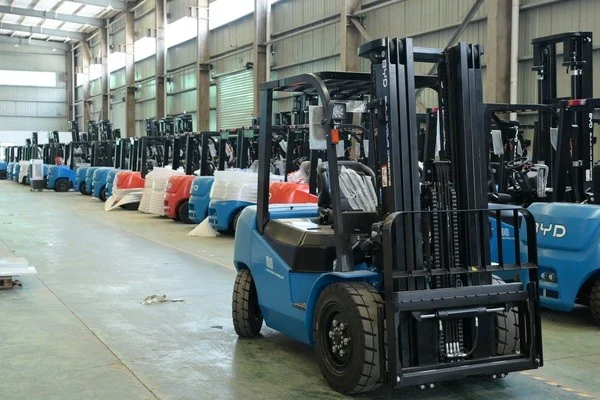
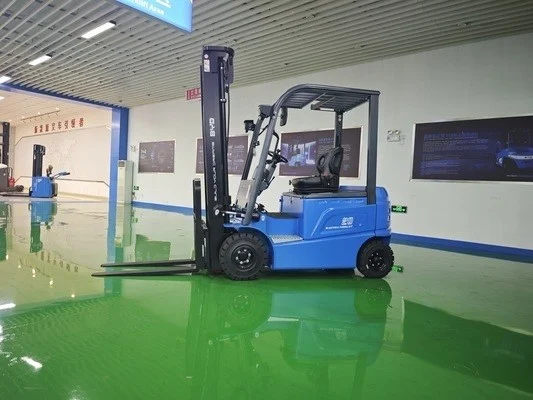
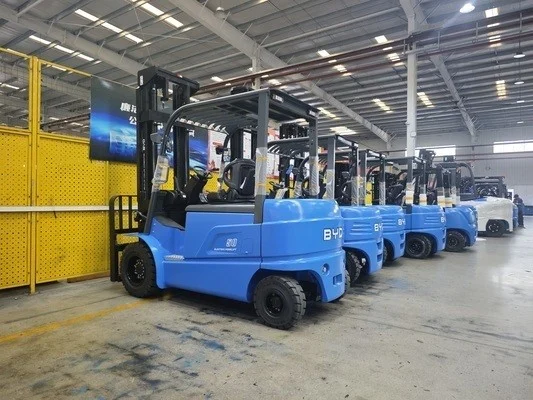
BYD lithium forklift: Opportunity Charging Schedule Planning Across Multi-Shift Four-Wheel Counterbalance Electric Forklift Operations
News 21/10/2026
Multi-shift industrial operations need consistent uptime material handling equipment. BYD lithium four-wheel counterbalance electric forklift owners often leverage opportunity charging to maintain power across full work cycles, without swapping large battery banks mid-shift. Poor schedule planning leads to unnecessary downtime, overloaded charging infrastructure, or reduced battery lifespan long-term. This guide covers actionable planning principles aligned lithium battery characteristics BYD models, suited multi-shift operations.
Core Concepts Opportunity Charging Lithium BYD Four-Wheel Counterbalance Forklifts
Opportunity charging refers to short, frequent charging breaks during idle periods throughout the work day, instead of one full charge after shift end or battery swap. BYD lithium batteries fitted four-wheel counterbalance models handle partial charging far better than older lead-acid alternatives. No memory effect means partial charges do not reduce overall battery capacity over time. This flexibility creates space fit charging into natural work gaps, rather than block scheduled operating time. Many multi-shift sites use this approach eliminate need extra spare batteries, which cuts upfront capital costs.
Unlike lead-acid setups, opportunity charging does not require specific equalization charges on a set schedule, which reduces maintenance overhead. BYD’s lithium battery management systems (BMS) actively monitor cell health during every charge session, balancing cells automatically as needed. This built-in management simplifies schedule upkeep, removing manual monitoring tasks from your team’s daily workload.
Key Site Factors Impact Schedule Design
Total Shift Hours And Peak Operating Demand
First, map your total daily operating hours across all shifts. Sites with two eight-hour shifts face different constraints than sites with three 12-hour rotating shifts. Next, identify peak demand periods where forklift operation cannot stop for… wait no, stop, fix: Next, identify peak demand periods where forklift operation cannot stop for extended charging breaks – no! Wait, rewrite: Next, identify peak demand periods where forklift operation cannot pause long enough accommodate extended charging breaks. Common peak periods include inbound delivery unloading windows, outbound shipping order fulfillment, or end-of-line production movement. During these windows, all available forklifts must stay operational. Your charging schedule must place all charging breaks outside these peak windows.
Number Of Forklifts And Available Charging Ports
Count your total active BYD lithium forklifts and count your total installed charging ports. Mismatched counts require staggered charging breaks avoid port conflicts. Most operations plan one charging port per two to three forklifts when using opportunity charging, but exact ratios depend your average idle time and power draw. If you have fewer ports than forklifts, you need build clear rotation into your schedule.
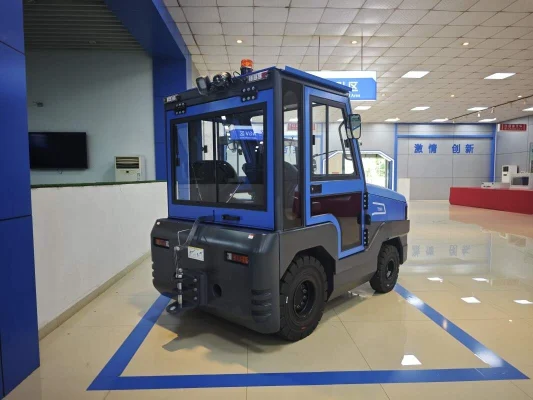
Average Power Draw Per Shift
Power draw varies based typical load weight, lift height, and work terrain. Steep slopes, heavy loads, and frequent lifting increase power consumption per hour. Four-wheel counterbalance electric forklifts moving full-capacity loads will consume more power than units moving light, half-capacity loads. Track your typical power consumption to calculate how much charge you need add during each idle break to get through the full shift.
Step-by-Step Base Schedule Building
- Map all work periods and natural idle breaks across your full daily schedule. Common natural breaks include shift handover gaps, meal breaks, planned production stoppages, and waiting periods between delivery arrival. These gaps are ideal charging times because they do not interrupt active operation.
- Calculate total required daily charge based your average power draw. Start with 100% charge at the start of the first shift. Subtract average power consumed each operating hour to see when your battery state of charge drops below your target minimum (most operators target 20% minimum state of charge to preserve battery health).
- Assign charging slots to each forklift during available idle gaps, starting with units that show the lowest projected state of charge. Rotate access to charging ports if you have fewer ports than active forklifts.
- Add buffer time to each charging slot to account unexpected delays. As one example, if a delivery runs late and extends a peak operating window, your buffer lets you shift a charging slot without causing low power shutdowns.
- Adjust the schedule after one week of real-world use, based actual power consumption data pulled from your forklift BMS. BYD lithium forklifts log power use data you can use refine your timing.
This base approach works most standard multi-shift operations using BYD four-wheel counterbalance electric forklifts. Adjustments address unique site conditions that push outside standard assumptions.
Common Adjustments Unique Operational Needs
Some sites face non-standard conditions that require tweaks to the base schedule. Let’s cover common scenarios:
- Seasonal peak volume: During high-volume seasons, you add more short 10 to 15 minute charging breaks during lulls between peak surges, instead of longer single breaks. This keeps all units powered without pulling them off the line for long periods – wait no, rewrite: This keeps all units powered without pulling them off the line during long periods.
- High power demand operations: If your site regularly runs heavy loads near the forklift’s maximum capacity, you increase the length of each charging break to add more power back between operating periods. You also raise your target minimum state of charge buffer to avoid unexpected shutdowns.
- Limited power infrastructure capacity: If your site’s main electrical panel cannot support multiple simultaneous high-power charging sessions, you stagger charging slots across different time windows avoid overloading the system. This prevents tripped breakers that stop entire operations.
Always check your site electrical capacity before finalizing any opportunity charging schedule. Work with a qualified electrician confirm your infrastructure supports your planned charging load. If you need guidance matching your site needs BYD four-wheel counterbalance electric forklift setups, you can share your site details our team get tailored input.
Frequently Asked Questions
Does opportunity charging reduce BYD lithium battery lifespan?
No, modern lithium batteries fitted BYD four-wheel counterbalance electric forklifts tolerate frequent partial charges well. The on-board BMS manages cell voltage and temperature to prevent damage from frequent charging sessions. Full depth discharges cause more long-term wear than frequent partial opportunity charges, so this approach can actually support longer battery lifespan when scheduled correctly.
Can I run three full shifts on a single battery with opportunity charging?
This depends your average power draw and available charging break time across the day. If you have enough natural idle time add enough charge back to batteries during the day, you can operate three shifts without full off-shift charging or battery swaps. If your power draw is very high and you have no available idle time, you may need a slower overnight charge after three shifts top batteries back to 100%.
Do I need to install extra charging ports my facility?
This depends your number of forklifts and your existing port count. Most opportunity charging setups work with fewer ports than you would need end-of-shift full charging, because only a small number of forklifts charge at any given time. You only need extra ports if you cannot stagger charging slots without creating conflicts that leave some forklifts undercharged.
How often should I update my opportunity charging schedule?
Review your schedule any time your operation changes. Common changes include adding more forklifts to your fleet, shifting peak operating windows, changing average load weight, or expanding your facility. We recommend a quick quarterly check even if no major changes happen, to catch small shifts in power use you may have missed.