Industrial Forklift Tire Selection: Matching Terrain and Floor Conditions To Operational Needs
News 15/10/2026
Third party logistics warehouses handle dynamic daily operations, with constant forklift movement across multiple floor types, frequent load changes and varied traffic routes. Wrong tire selection leads to increased floor damage, higher maintenance costs and reduced operator safety, so matching tire types to your specific warehouse conditions directly impacts overall operational efficiency.
Core Tire Types and Their Application Within Third Party Logistics Warehouses
Solid Cushion Tires
Solid cushion tires fit indoor warehouse operations with smooth concrete floors. Their compact design delivers tight turning radius, critical within narrow aisle storage setups common among modern third party logistics facilities.
Third party logistics operations often maximize storage density with narrow aisles, so turning radius directly impacts maneuverability and throughput. When purchasing, check if the tire profile matches your forklift model’s wheel hub specifications, confirm tread depth meets your daily mileage requirements.
Key limitations: Solid cushion tires offer minimal shock absorption, so they perform poorly on uneven outdoor surfaces or cracked indoor floors. Extended use on rough terrain increases operator fatigue and potential forklift component damage.
Standard Pneumatic Tires
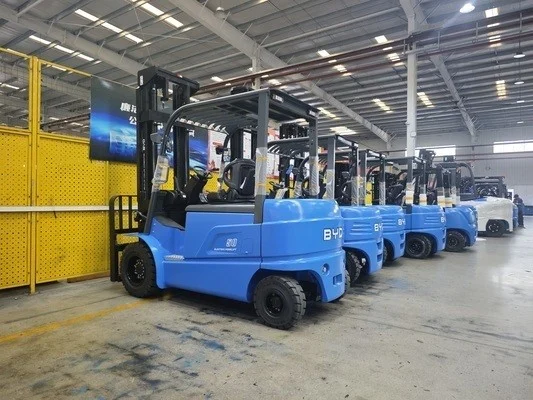
Standard pneumatic tires work well for operations that mix indoor storage and outdoor yard movement, a common scenario within cross docking third party logistics facilities. Third party logistics teams often move loads directly between delivery trailers and storage racks without intermediate handling, so tires must perform across multiple surfaces.
When purchasing, verify sidewall durability matches the types of debris common on your yard surfaces, confirm air pressure retention specifications match your average load weight.
Key limitations: Standard pneumatic tires carry higher risk of punctures, which lead to unplanned downtime. They also require more frequent maintenance checks compared to solid options.
Polyurethane Foam Filled Pneumatic Tires
This hybrid option combines the puncture resistance of solid tires with the shock absorption of standard pneumatic designs. It fits cross docking operations with frequent outdoor movement that need lower maintenance than standard pneumatics.
Key limitations: This tire type adds extra weight to the forklift, which can reduce maximum available load capacity, so you must confirm compatibility with your forklift’s rated capacity.
Key Selection Parameters and Verification Steps
| Tire Type | Common Warehouse Risks | Verification Items | Configuration Type |
|---|---|---|---|
| Solid Cushion | Floor scuffing, reduced traction on wet floors | Confirm tread pattern matches your floor texture, confirm load rating matches your typical maximum load | Standard on most indoor forklifts |
| Standard Pneumatic | Puncture damage, pressure loss | Confirm sidewall puncture resistance rating, confirm wheel hub compatibility | Optional upgrade at mixed operation sites |
| Foam Filled Pneumatic | Reduced load capacity, higher upfront cost | Confirm tire weight impact on your forklift’s maximum rated load, confirm material resistance against common warehouse chemicals | Premium upgrade at high throughput mixed sites |
Floor Surface Type
Third party logistics warehouses often have multiple floor surfaces across different facility zones. Smooth sealed concrete requires tires that avoid scuffing, which preserves floor integrity and reduces long term resurfacing costs. Unsealed or cracked concrete needs tires with enough traction to prevent slips, especially during cooler months when condensation can accumulate on surfaces. Outdoor yards with gravel or broken asphalt need shock absorption to reduce operator fatigue and avoid punctures.
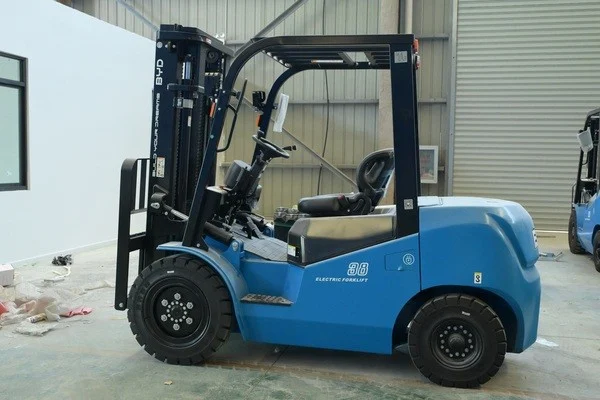
Selection steps: Map all areas your forklifts access on a daily basis, note any surface inconsistencies or common hazards, then narrow your tire options to types that handle all surfaces your fleet encounters.
Daily Throughput and Usage
High throughput third party logistics facilities run forklifts 12-24 hours daily, so tire wear rate becomes a critical consideration. Higher traffic operations need more durable tire compounds that extend replacement intervals and reduce unplanned downtime.
Verification steps: Ask your supplier about expected tire lifespan based on your projected daily usage, confirm that replacement parts are available within your required lead time, to avoid operational disruptions.
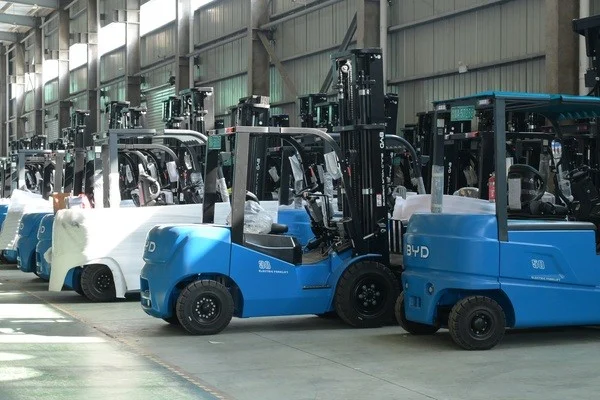
Before finalizing your industrial forklift tire order, complete this quick check list aligned with third party logistics operational needs:
- Map all terrain and floor types your fleet accesses daily
- Confirm tire load rating matches your typical maximum operating load
- Verify tire compatibility with your forklift model’s wheel hub and capacity ratings
- Confirm replacement lead times and availability with your supplier
Frequently Asked Questions
Can I use the same tire type across all forklifts in my warehouse?
You can only use the same tire type across your fleet if all forklifts access the same types of terrain and carry similar average loads. If some forklifts only work indoor storage and others handle mixed outdoor cross docking, you need different tire types matching each role. Matching tire to role reduces overall maintenance and replacement costs long term.
Do forklift tires damage warehouse floors?
Wrong tire selection increases risk of floor damage. Hard solid tires with aggressive tread can scuff smooth sealed concrete over time, especially when turning sharply. You can select low-scuff tire compounds engineered to work on indoor surfaces to minimize this damage, but you must confirm this compound option with your supplier before purchase.
What should I do if my warehouse has wet floors from seasonal condensation?
Select tires with specialized tread patterns that channel water away from the contact surface, to improve traction. You should also add regular tire tread depth checks into your routine maintenance schedule, as worn tread reduces traction on wet surfaces significantly.