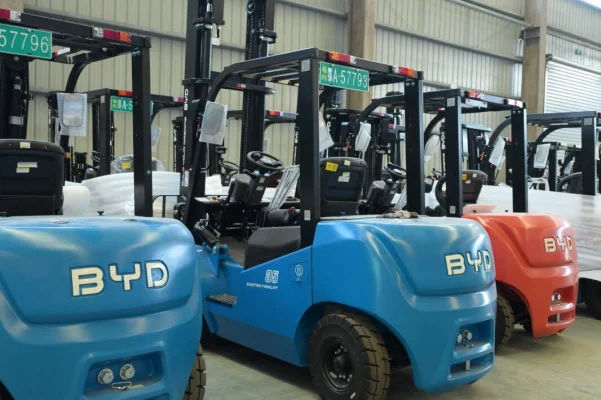
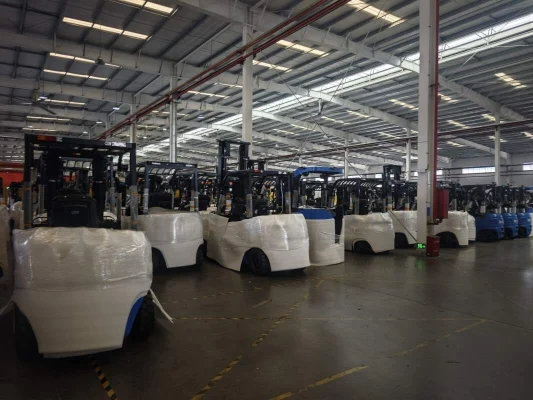
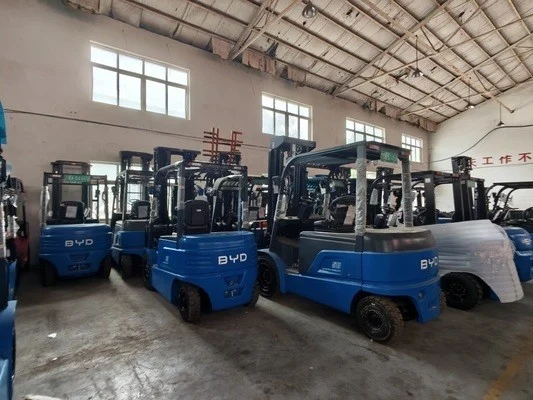
BYD lithium forklift: Regenerative Braking Energy Recovery Effects on Fleet Operational Efficiency
News 15/10/2026
Third party logistics (3PL) warehousing relies on consistent, high uptime material handling equipment to meet variable shipment demands. BYD lithium forklifts integrate regenerative braking energy recovery systems, which interact directly with typical 3PL operational patterns to influence overall fleet efficiency. This guide breaks down system function, critical procurement checks, real world operational implications and common questions specific to 3PL warehousing applications.
How Regenerative Braking Functions in BYD Lithium Forklifts
Unlike lead acid powered forklifts, most BYD lithium models come equipped with regenerative braking systems tuned to capture energy typically lost during deceleration. Every time an operator slows or stops the forklift, kinetic energy converts back to electrical energy, which feeds directly into the lithium battery pack.
Alignment with 3PL Warehousing Work Patterns
3PL warehousing operations involve frequent stop start cycles: operators move pallets from receiving docks to storage racks, then to outbound loading bays, with multiple deceleration events every hour. This consistent cycle creates more opportunities to capture energy than low cycle operation patterns, such as long distance hauling across large freight yards. The system activates automatically during normal operation, no extra input from operators needed.
Critical Procurement Checks Aligned With 3PL Warehousing Operations
Not all BYD lithium forklift configurations deliver the same energy recovery benefits in 3PL settings. Procurement teams must verify specific parameters aligned with their unique facility conditions. The table below outlines key checks:
| Parameter/Configuration | Why 3PL Operations Care | Procurement Verification Steps | Configuration Tradeoffs |
|---|---|---|---|
| Regenerative braking activation threshold | Lower thresholds capture energy from even mild deceleration common during picking and putaway | Request written specification from BYD or authorized dealer; confirm threshold setting matches typical operating speed in your facility | Very low thresholds may create slightly more aggressive deceleration, which requires operator familiarization |
| Battery management system (BMS) energy acceptance | 3PL multi shift operation requires consistent energy capture to maximize uptime | Confirm BMS can accept energy recovered during braking across the full battery discharge range used in your operation | Full range acceptance comes standard on most lithium models, but some low capacity configurations limit acceptance at high state of charge |
| System maintenance requirements | 3PL fleets operate on tight schedules, unplanned downtime cuts fulfillment capacity | Ask dealer to outline scheduled maintenance intervals and replacement part lead times specific to the regenerative system | Regenerative systems reduce wear on traditional brake pads, which lowers long term maintenance part costs, but BMS calibration requires specialized technician support |
| Weight capacity adjustment | 3PL handles variable load weights, from small parcels to full pallets | Confirm energy recovery efficiency remains consistent across the full rated load range of the forklift | Efficiency changes slightly with heavier loads, but exact values vary by model, always confirm with your dealer |
3PL operations with automated guided vehicle (AGV) integrated BYD forklifts need additional verification: confirm regenerative system communication aligns with your existing fleet management system before finalizing purchase.
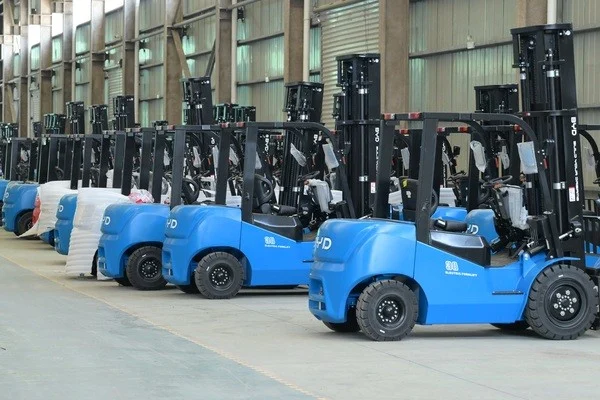
Impacts on Overall Fleet Operational Efficiency
Regenerative energy recovery affects 3PL fleet efficiency across two core areas: uptime and energy cost.
Uptime Improvements
Recovered energy extends the time a forklift can operate between charges. For 3PL warehouses running two or three shifts daily, this reduces the number of times operators need to swap batteries or plug in mid shift. Fewer charging interruptions mean more time spent moving freight, less time spent waiting on energy replenishment.
Energy Cost Reductions
Recovered energy reduces total grid energy drawn to charge the battery pack each day. The actual amount of energy saved depends heavily on your operation’s stop start frequency, average load weight and operating speed, so no universal value applies across all 3PL facilities. You can model potential savings based on your fleet’s average number of braking events per hour, working with your dealer to generate facility specific estimates.
Limitations Specific to 3PL Applications
Regenerative braking does not deliver equal benefits across all 3PL operations. Facilities with large outdoor storage areas that require long distance travel between stops see fewer benefits, due to lower braking frequency. Operations that handle very light loads consistently also see less energy captured, due to lower kinetic energy generated during movement. Additionally, extremely cold storage 3PL facilities need to confirm BMS and regenerative system function at their lowest operating temperature, as lithium battery performance changes with ambient temperature.
Frequently Asked Questions
Can I retrofit older BYD lithium forklifts with a regenerative braking system?
Most older BYD lithium forklift models do not support aftermarket retrofitting of regenerative braking systems, due to BMS and hardware integration requirements. Always check with your authorized BYD dealer to confirm compatibility matching your specific fleet units.
Does regenerative braking increase battery lifespan?
Regenerative braking reduces the depth of discharge cycles the battery experiences between full charges, which can influence long term battery health. Exact lifespan changes depend on operating conditions and charging habits, so no guaranteed lifespan increase applies across all 3PL operations.
Do all BYD lithium forklift models include regenerative braking as standard?
Regenerative braking comes standard on most BYD lithium forklift models sold to 3PL warehousing applications, but some low cost entry level configurations offer it as an optional upgrade. Always confirm whether the system is standard or optional when placing your order.
How does regenerative braking affect brake maintenance schedules in 3PL operations?
Because most deceleration force comes from the regenerative system, traditional friction brake pads see less wear over time. This extends the interval between brake pad replacements, which lowers long term maintenance cost and reduces unplanned downtime related to brake service.
Before purchasing BYD lithium forklifts with regenerative braking, your 3PL warehousing operation needs compile the following data to share with your dealer: average daily operating hours per shift, number of braking events per hour (estimated from your current operational data), ambient temperature range across your facility, and average load weight handled. This information helps your dealer confirm correct configuration matches your operational needs.