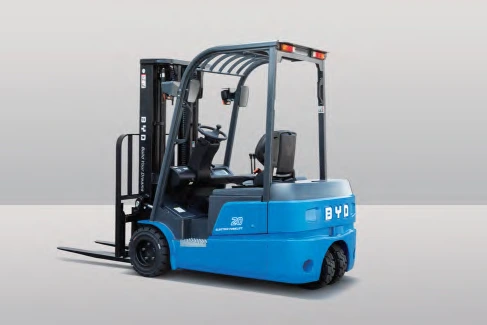
How Battery Chemistry Impacts 2 ton electric forklift Operational Efficiency Across Varying Ambient Temperatures
News 08/10/2026
Fleet managers and operators often notice performance shifts in their material handling equipment when outdoor or warehouse temperatures change. 2 ton electric forklift units see the largest performance shifts tied directly to the type of battery chemistry powering the lift. This guide explores how common battery chemistries respond to different ambient temperature ranges, what efficiency impacts operators can expect, and how to select the right battery matching your operating environment.
Common Battery Chemistries Used in 2 ton electric forklift
Flooded Lead-Acid Batteries
Flooded lead-acid remains one of the most widespread battery options on entry-level 2 ton electric forklift models. These batteries rely on liquid electrolyte to facilitate chemical energy transfer. At moderate temperatures between 60°F and 80°F (15°C and 27°C), flooded lead-acid delivers consistent efficiency that meets most daily warehouse needs.
Absorbent Glass Mat (AGM) and Gel Lead-Acid Batteries
Sealed lead-acid variants like AGM and gel eliminate the need for… wait no, eliminate regular water top-offs common with flooded designs. They offer slightly better vibration resistance, which benefits 2 ton electric forklift units that operate across rough paved or unpaved yard areas.
Lithium-Ion Batteries
Lithium-ion (Li-ion) has grown in popularity as an option on new 2 ton electric forklift fleets. These batteries use different chemical compositions, most commonly lithium iron phosphate (LFP) in material handling applications. They support faster charging and longer cycle life compared to lead-acid alternatives.
Efficiency Impacts Across Different Ambient Temperature Ranges
Cold Temperatures (Below 50°F / 10°C)
Cold environments slow chemical reactions inside any battery, which reduces available capacity and output power. Flooded lead-acid batteries can see capacity drops ranging from 20% to 50% when temperatures drop below freezing (32°F / 0°C). This efficiency drop means a 2 ton electric forklift powered by flooded lead-acid may complete only half its typical number of work cycles before needing a recharge. Sealed lead-acid variants see similar capacity drops in cold conditions. LFP lithium-ion batteries perform far better in cold, with typical capacity losses between 10% and 20% at 0°F (-18°C). Many lithium-ion batteries include built-in temperature management systems that pre-heat the battery pack to maintain acceptable efficiency during cold operation.
Moderate Temperatures (50°F to 80°F / 10°C to 27°C)
This range represents the sweet spot across most battery chemistries. All common battery types deliver their rated efficiency and capacity within this window. Flooded lead-acid matches its rated capacity, while lithium-ion delivers its expected cycle life and output. The small differences here come down to charging efficiency: lithium-ion charges faster and wastes less energy as heat than lead-acid chemistries, even at moderate temperatures. This means 2 ton electric forklift fleets operating in climate-controlled warehouses see lower energy costs with lithium-ion, even without extreme temperature swings.
High Temperatures (Above 80°F / 27°C)
High ambient temperatures speed up chemical reactions inside batteries, which can increase available short-term capacity but damage long-term battery health and efficiency. Lead-acid batteries experience accelerated water loss across flooded types and plate degradation when operated consistently above 90°F (32°C). This degradation reduces total capacity over time, dropping overall operational efficiency by 10% to 15% within a few years of constant high-temperature use. Lithium-ion batteries handle high temperatures better than lead-acid, but sustained exposure above 100°F (38°C) still accelerates cell degradation. LFP chemistry is more heat-resistant than other lithium-ion variants, such as nickel manganese cobalt (NMC), making it the preferred lithium option in warm outdoor operating environments.
Selection Guidance Based On Your Operating Environment
Indoor Climate-Controlled Warehouses
If your 2 ton electric forklift operates exclusively in temperature-controlled indoor space, any common battery chemistry will deliver acceptable efficiency. Flooded lead-acid works well in low-usage fleets with flexible charging schedules, while lithium-ion delivers better long-term efficiency in high-usage multi-shift operations.
Unregulated Indoor and Cold Storage Facilities
Cold storage facilities that maintain temperatures below freezing require battery chemistries that handle low-temperature efficiency drops. Lithium-ion with built-in thermal management is the most reliable option here. If you use lead-acid in cold storage, you will need to plan more frequent charging cycles and earlier battery replacement to offset lost efficiency.
Outdoor Year-Round Operation
2 ton electric forklift units used outdoors see large temperature swings between summer and winter across most regions. LFP lithium-ion balances cold and high temperature performance better than any lead-acid chemistry. If you must use lead-acid in outdoor operation, sealed AGM models offer slightly better performance than flooded types, but still require more maintenance and more frequent replacement.
Key Limitations To Consider
Battery chemistry is not the only factor impacting operational efficiency. Load weight, tire condition, charging frequency, and maintenance routines all affect overall 2 ton electric forklift performance. Even high-efficiency lithium-ion batteries will lose capacity if they are not charged correctly or maintained per manufacturer guidelines.
Frequently Asked Questions
Can I upgrade my existing 2 ton electric forklift battery chemistry to improve temperature performance?
Many existing 2 ton electric forklift units support battery upgrades, but you must verify compatibility with your lift’s charging system and battery compartment dimensions. Some older lead-acid based forklifts require charging system modifications to work safely with lithium-ion batteries. Always check your lift manufacturer guidelines before completing any battery upgrade.
How much extra capacity do I need to offset cold temperature efficiency drops?
The extra capacity you need depends on your battery chemistry and lowest operating temperature. Lead-acid batteries need 30% to 50% extra rated capacity to maintain the same work output in sub-zero temperatures. Lithium-ion batteries only need 10% to 20% extra capacity in the same conditions. Always calculate required capacity based on the lowest temperature your forklift will encounter during regular operation.
Does ambient temperature impact charging speed as well as operational efficiency?
Yes, ambient temperature impacts both charging speed and charging efficiency. Cold temperatures slow charging rates across all battery chemistries, while high temperatures can create safety risks during fast charging. Most modern lithium-ion battery systems adjust charging rates based on internal battery temperature to avoid damage and maintain safe operation. Lead-acid batteries do not typically include this automatic adjustment, so charging in extreme temperatures reduces both battery life and charging efficiency.
Are there any low-cost modifications that improve battery performance in extreme temperatures?
Simple insulation around the battery compartment can help moderate temperature swings and improve efficiency across both lead-acid and lithium-ion batteries. In cold environments, battery warmers that activate during charging can also help restore capacity before operation begins. Always use modification parts approved by your forklift or battery manufacturer to avoid safety risks or voided warranties.
Final Considerations
When evaluating 2 ton electric forklift efficiency across varying ambient temperatures, battery chemistry remains the single largest contributing factor. Matching your battery chemistry to the typical temperature range of your work environment reduces unplanned downtime, lowers energy costs, and extends battery service life. Always review manufacturer specifications on battery temperature performance before making your final selection, and adjust capacity expectations to accommodate expected efficiency shifts in extreme conditions.