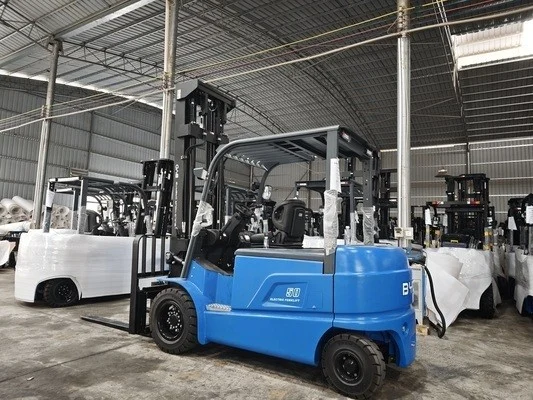
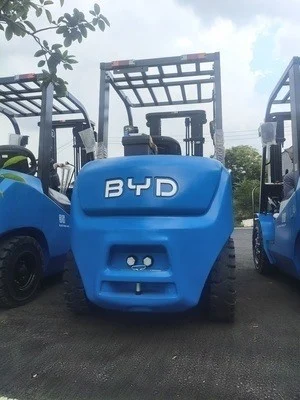
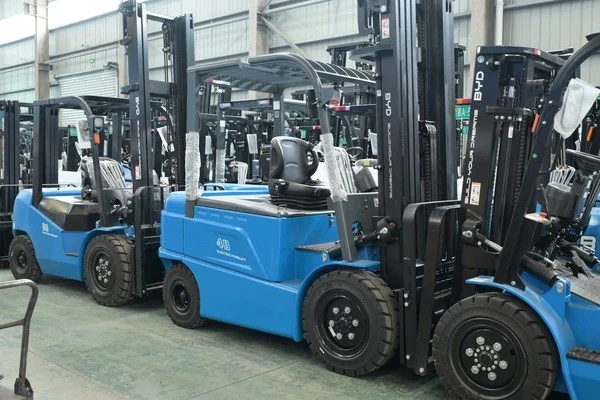
BYD lithium forklift: Zero-Emission Performance Air Quality Sensitive Material Handling Environments
News 13/10/2026
Core Design Principles That Enable Zero-Emission Operation
BYD lithium forklifts use lithium iron phosphate (LFP) battery technology, which eliminates internal combustion engine exhaust. All power comes from stored electricity, so no tailpipe emissions release during operation. This design removes common pollutants found in diesel or propane powered forklifts, including particulate matter, nitrogen oxides, and carbon monoxide.
Unlike lead-acid battery alternatives, LFP batteries do not release harmful gasses during charging or operation when maintained per manufacturer guidelines. Unlike many older battery-powered forklift designs, BYD integrates its own battery manufacturing into its forklift production, which aligns component quality across the entire system. This integration helps maintain consistent power output across varying load demands, without unexpected dips in performance that can slow down work processes.
The battery system integrates directly into the forklift frame, removing extra space requirements common with older battery swap setups. Operators get consistent power output across full shift cycles, without voltage drops that slow performance toward end of battery charge.
Ideal Application Scenarios in Air Quality Sensitive Settings
Multiple material handling environments require strict air quality standards that rule out combustion-powered equipment. Common settings include food and beverage processing facilities, pharmaceutical manufacturing plants, cold storage warehouses holding consumable goods, and indoor research facilities.
Internal combustion forklifts can leave residual pollutants that contaminate products or disrupt controlled cleanroom requirements. BYD lithium forklifts zero-emission operation fits these settings because they do not add contaminants to indoor air. Indoor operations within controlled facilities benefit most, as enclosed spaces trap pollutants from combustion-powered equipment. Other suitable settings include indoor public access storage areas, retail distribution centers with constant worker occupancy, and food packaging lines where air quality directly impacts product safety. When operations require consistent indoor air quality standards to meet regulatory requirements, this zero-emission design aligns with compliance goals.
Hypothetical Use Case Example
A pharmaceutical packaging facility needs to maintain ISO 8 cleanroom standards covering finished drug products. A combustion-powered forklift would introduce particulate matter that exceeds allowable air limits, leading to compliance failures and product recalls. A BYD lithium forklift operates without emissions, so it can move finished pallets within the facility without disrupting air quality thresholds.
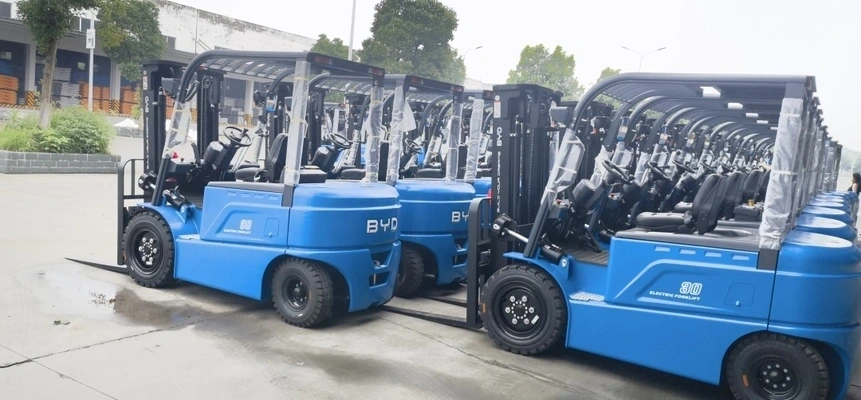
Key Selection Criteria When Evaluating BYD Lithium Forklifts
Load Capacity Match
BYD offers lithium forklifts across multiple load capacity ranges, from 1 ton to 8 ton. Buyers must confirm maximum load weight and lift height required daily operations to avoid overworking the unit. Mismatched load capacity can lead to premature wear on components and reduced safety during operation.
Charging Infrastructure Availability
LFP batteries require compatible high-voltage charging stations. Facilities need dedicated space near unit storage areas to install chargers, and adequate electrical service to support charging during off-shift hours. Fast charging capabilities allow opportunity charging during break times, but this requires upgraded infrastructure to support higher power draw.
Indoor Versus Outdoor Use Rating
While BYD lithium forklifts work well indoors, some models carry ratings limited outdoor use in dry conditions. Buyers should confirm official model ratings before using units in exposed outdoor areas where exposure to heavy rain or extreme temperature swings may impact battery performance and service life.
Known Limitations and Operational Constraints
BYD lithium forklifts offer clear benefits to air quality sensitive environments, but they come with important limitations buyers must consider. First, initial acquisition cost typically exceeds that of comparable lead-acid or combustion-powered forklifts. Organizations need to account for higher upfront investment when budgeting, even though long-term operating costs may be lower.
Second, extreme cold temperatures below -10 degrees Celsius can reduce battery capacity and shorten shift length. Facilities operating in unheated cold storage environments need to confirm battery performance specifications directly from BYD before deployment.
Third, battery replacement represents a major long-term expense, though LFP batteries generally have longer service life than lead-acid alternatives. Fourth, not all service technicians have training on BYD lithium battery systems, so organizations need to confirm access to trained service support in their region before purchasing.
When evaluating material handling equipment for air quality sensitive environments, BYD lithium forklifts offer a reliable zero-emission solution that meets many indoor operational needs. Organizations must weigh upfront costs, infrastructure requirements, and operational limitations against their specific air quality and productivity goals to make the right choice.
Frequently Asked Questions
Are BYD lithium forklifts safe to use in food processing facilities?
Yes, their zero-emission design eliminates exhaust contaminants that can compromise food safety. Always confirm compliance with your local food safety regulatory standards before deployment, as facility specific requirements may vary.
How often do BYD lithium forklift batteries need replacement?
Service life depends on charging habits, operating temperature, and load frequency. BYD LFP batteries generally last longer than traditional lead-acid forklift batteries, but exact replacement intervals depend on real world operating conditions.
Can BYD lithium forklifts replace existing diesel forklifts in indoor warehouses?
Yes, if the load capacity and lift height matches your operational requirements. Zero-emission operation removes requirements covering extra ventilation systems used with diesel units, which can reduce facility infrastructure costs.
Do BYD lithium forklifts require special maintenance?
They require less regular maintenance than combustion-powered forklifts, as they have fewer moving parts. You still need regular inspections of the battery system, brakes, and hydraulic systems per manufacturer guidelines, and only trained technicians should service high-voltage battery components.