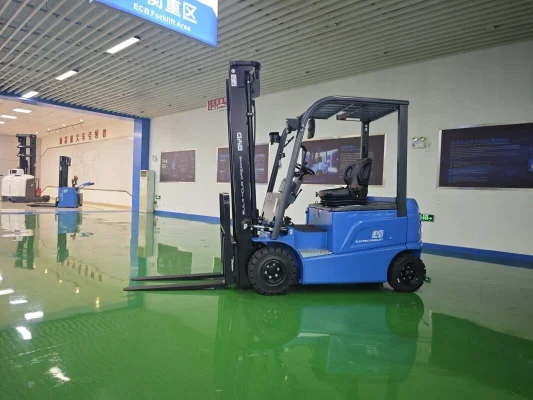
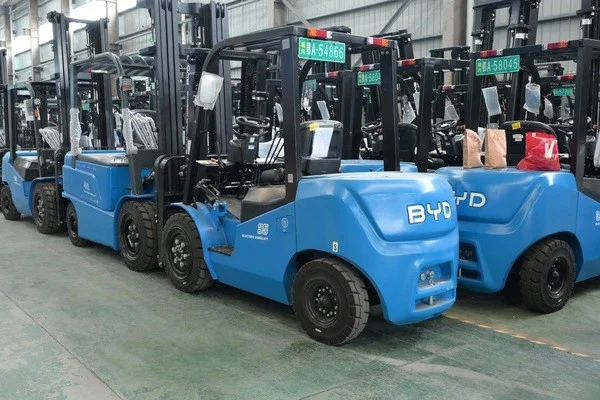
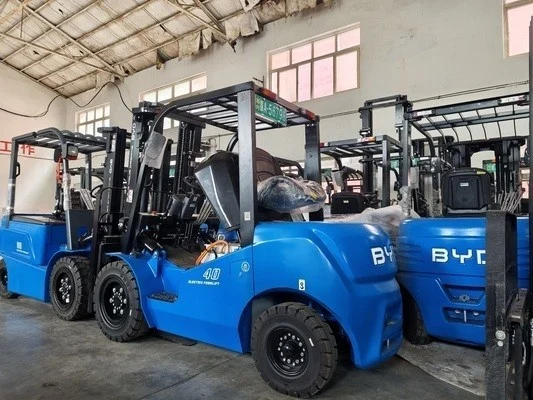
BYD lithium forklift: Maintenance Best Practices Prolong Industrial Fleet Asset Lifespan
News 05/10/2026
BYD produces some of the most popular lithium powered material handling equipment available today, with lithium iron phosphate (LFP) batteries that deliver longer service life than traditional lead-acid alternatives. Even high quality equipment needs consistent care to reach its maximum potential service life. This guide breaks down actionable maintenance best practices you can apply to your BYD lithium forklift, to protect your industrial fleet assets and avoid premature replacement.
Core Benefits Consistent Maintenance Delivers Your BYD Lithium Forklift
Neglected maintenance leads to premature battery degradation, unexpected downtime, and early asset retirement. BYD lithium forklift are built with durable components, but daily wear and environmental exposure take a toll over time.
Consistent routine maintenance keeps resale value high, reduces unplanned repair costs, and maintains safe operation across all daily material handling tasks. It also helps you stay compliant with workplace safety standards across your facility.
Pre-Shift Inspection Routine
A short 10-minute inspection before each shift catches small issues before they escalate into major downtime events. Split your inspection into two core areas:
Battery System Checks
Start with a visual inspection of the battery pack enclosure. Look for visible cracks, dents, or damage that could expose internal components. Clear any debris blocking battery vent grilles, as proper ventilation supports healthy temperature regulation of battery cells. Check all connection terminals for signs of loosening or corrosion, and address minor issues before starting operations.
Mechanical and Safety Component Checks
Inspect brake function, tire wear and pressure on pneumatic tire models, and steering responsiveness. Check mast and lift assembly for visible damage, and confirm hydraulic systems show no signs of leaks. Test all safety equipment including seat belts, backup alarms, and indicator lights to confirm proper operation.
Battery Maintenance Best Practices
The battery system represents the largest single component investment in your BYD lithium forklift, so proper care directly impacts overall asset lifespan.
Charge Management
Avoid deep discharges below 20% state of charge (SOC) whenever possible. BYD built-in battery management system (BMS) protects cells from over discharge, but repeated deep cycles shorten overall cell life. Opportunity charges during break periods work well, you do not need to wait until full discharge to connect the charger. Keep charging areas clean, dry, and free from combustible materials, follow all manufacturer posted safety guidelines.
Temperature Control
LFP cells perform best between 10°C and 30°C (50°F to 86°F). Extreme cold reduces available capacity, while prolonged exposure to high temperatures accelerates cell degradation. If you operate your BYD lithium forklift in temperature controlled warehouses, no extra adjustments are needed. Outdoor operation in extreme climates requires extra care: park units in shaded or temperature moderated spaces during off hours, avoid charging in temperatures outside manufacturer rated ranges.
Cleaning Protocols
Keep battery compartments free from dust, debris, and liquid spills. Use low pressure compressed air to clear vent grilles, avoid high pressure power washing directly on battery electrical components. Moisture introduced during improper cleaning can cause short circuits and permanent damage. Wipe down terminals with a dry, lint free cloth if dust or corrosion begins to accumulate.
Scheduled Periodic Maintenance
Beyond daily pre-shift inspections, set up a regular periodic maintenance schedule aligned with your operating intensity:
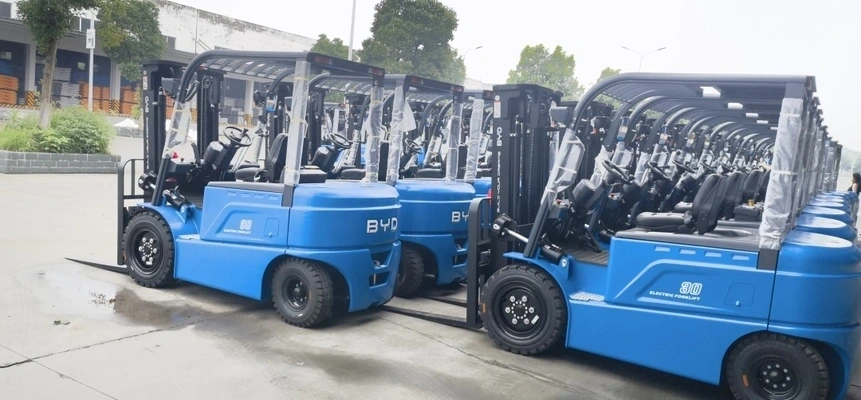
Weekly Checks
Inspect hydraulic fluid levels, top off if needed per manufacturer guidelines. Confirm tire pressure meets specs, and clear any debris trapped in mast or lift chain assemblies.
Monthly Diagnostics
Run built-in BYD BMS diagnostics to check cell balance, voltage variance across individual cells, and overall system health. Inspect all wiring harnesses for fraying or damage from repeated vibration. Check brake pad thickness and adjust brake function as needed.
Annual Professional Service
Have a certified technician inspect the entire system, including steering axle components, mast hydraulic seals, drive train wear, and BMS software updates. This step catches hidden issues that routine inspections miss, and ensures your forklift stays aligned with original manufacturer specifications.
Common Maintenance Mistakes To Avoid
- Ignoring small dashboard warning alerts: BYD forklifts include built-in alerts for temperature issues, low voltage, or system faults. Ignoring these leads to larger, more expensive damage down the line.
- Using incompatible chargers: Always use BYD approved chargers matched to your forklift battery capacity. Third party unapproved chargers can disrupt cell balancing and cause premature cell degradation.
- Overlooking ventilation: Blocked vent openings trap heat, which shortens battery life much faster than normal wear. Add vent clearing to your weekly cleaning routine to avoid this issue.
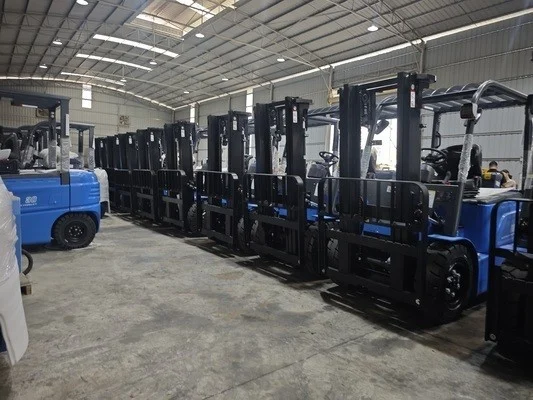
As one example, a 10-unit fleet of BYD lithium forklift operating in a mid-sized distribution center, following the above routines can add multiple years of service life to each unit. Actual results vary based on operating intensity and environmental conditions, so adjust your maintenance frequency to match your specific use case.
Frequently Asked Questions
How often should I run battery diagnostics on my BYD lithium forklift?
Most facilities benefit from monthly diagnostic checks, as part of routine monthly maintenance. Units operating in harsh outdoor environments or high intensity daily use can benefit from bi-weekly checks to catch issues early.
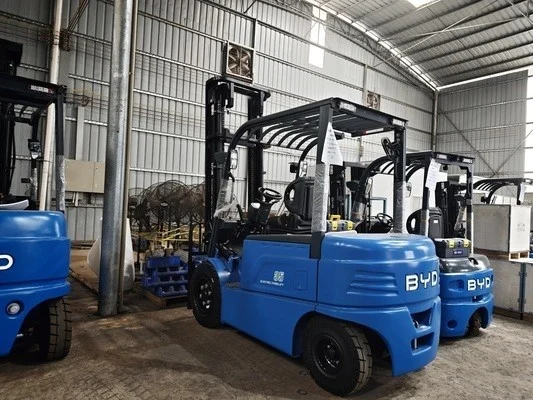
Can I complete maintenance on my BYD lithium forklift with in house staff?
Pre-shift inspections, weekly checks, and monthly basic diagnostics can all be completed by trained in house staff. Only certified technicians should complete major repairs, annual system overhauls, and BMS software updates, to avoid voiding your original equipment warranty.
Do BYD lithium batteries need less maintenance than lead acid alternatives?
BYD LFP lithium batteries eliminate the need for regular water topping off, which reduces weekly maintenance time compared to lead acid alternatives. However, they still require consistent inspections and care to maximize lifespan, just like any other industrial material handling equipment.
What environmental factors reduce BYD lithium forklift lifespan?
Prolonged operation in temperatures above 35°C (95°F) or below -10°C (14°F), continuous exposure to moisture or corrosive materials, and operation in environments with heavy dust that blocks ventilation all contribute to faster degradation. Regular cleaning and proper off-hour storage can mitigate many of these risks.
Conclusion
Adopting these consistent maintenance best practices helps your BYD lithium forklift deliver reliable service, extends overall asset lifespan, and supports efficient operation across your entire industrial fleet. Tailor your maintenance schedule to match your operating intensity, and always reference your official BYD owner manual for model specific guidelines.