BYD lithium forklift: Total Cost of Ownership Analysis Long Term Industrial Fleet Deployment
News 09/10/2026
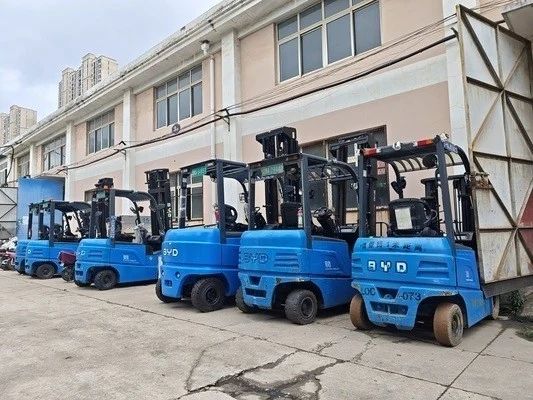
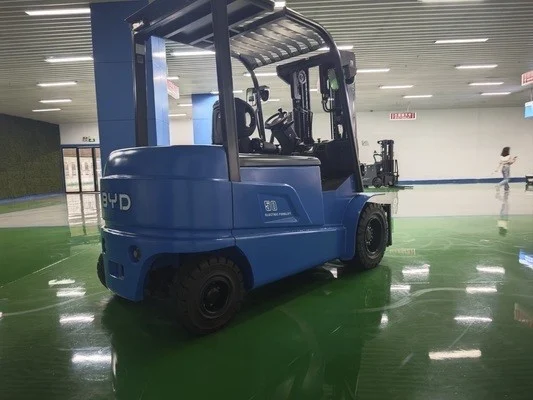
Many industrial operations replace internal combustion or lead-acid powered forklifts with BYD lithium models when expanding or updating fleets. This analysis focuses on total cost of ownership (TCO) to help decision makers evaluate long-term deployment value. It breaks down key cost drivers, compares common cost structures, and outlines real deployment considerations, without unsubstantiated performance claims.
Key Cost Components of BYD Lithium Forklift Long Term Deployment
Upfront Acquisition Costs
BYD lithium forklifts typically carry higher upfront purchase prices than comparable lead-acid or internal combustion forklifts. This price difference stems from integrated lithium iron phosphate (LFP) battery systems included with BYD models, rather than separate battery purchases common with lead-acid units. Buyers can choose outright purchase, lease, or equipment financing options, each altering initial cash outlay and long-term cost structure.
Ongoing Operational Costs
Ongoing costs make up the largest share of TCO over a 10+ year service life, the typical expected lifespan of BYD LFP battery systems. Charging costs vary based on local electricity rates, but lithium systems convert more stored energy into lifting power than lead-acid alternatives, reducing energy use per shift. BYD lithium batteries support opportunity charging during breaks, eliminating need for dedicated battery changing rooms and extra battery sets many operations purchase when running multi-shift schedules. Maintenance requirements focus on regular checks of brake systems, hydraulic components, and battery management software, with no need for water top-offs or equalization charges required by lead-acid batteries. These factors cut annual maintenance labor and part costs significantly compared to traditional options.
End-of-Life Residual Value
BYD LFP batteries retain significant capacity after reaching the 80% capacity threshold forklift use requires. When retired from primary forklift service, these batteries can find secondary use as stationary energy storage systems, adding residual value to the fleet. BYD also supports battery recycling programs through regional partners, which can offset small end-of-life disposal costs. Compared to lead-acid batteries, which have established recycling markets but lower residual value after primary service, BYD lithium units deliver higher overall end-of-life returns.
Hypothetical Long-Term Fleet Deployment Scenario
Consider a 10-unit warehouse fleet running two shifts daily, operating five days per week over 10 years. This operation’s initial investment into BYD lithium units runs 20-30% higher upfront than an equivalent lead-acid fleet. Annual savings from eliminated battery maintenance, reduced energy use, and no need extra battery sets cut annual operating costs by 15-25% compared to the lead-acid alternative. After 10 years, residual value from secondary battery use adds 5-10% back to total fleet value, bringing cumulative TCO of the BYD lithium fleet below the TCO of a comparable lead-acid fleet. This scenario assumes standard industrial operating conditions, and actual results vary based on local energy costs, labor rates, and use intensity.
Selection Guidance and Known Limitations
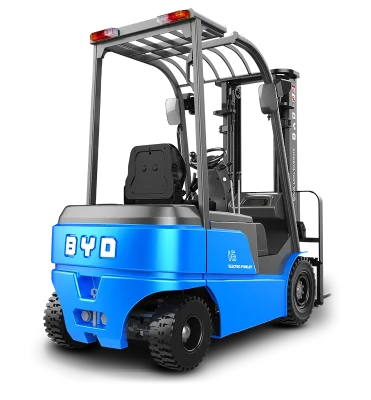
BYD lithium forklift deployment delivers the strongest TCO benefits under specific conditions:
- Multi-shift operations that benefit from opportunity charging and eliminated battery changes
- Long-term fleet retention plans (5+ years of ownership) to offset higher upfront costs
- Operations focused on reducing maintenance labor workload of on-site teams
Deployment also carries clear limitations decision makers must consider:
- Higher upfront costs create higher initial cash outlay, which can strain budgets of small operations with short planning horizons
- Extreme cold operating temperatures can reduce available battery capacity slightly, requiring adjusted use planning of facilities operating consistently below -10°C (14°F)
- Residual value depends on local secondary battery and recycling market access, which varies across regions
Overall, BYD lithium forklifts deliver lower long-term TCO when organizations meet the criteria above, making them strong options long-term industrial fleet deployment.
Frequently Asked Questions
Does BYD lithium forklift battery life match what the manufacturer claims?
BYD designs its lithium iron phosphate batteries to deliver 10+ years of service under normal industrial operating conditions. Actual battery life depends on use intensity, charging habits, and operating temperatures. Fleet operators that follow BYD recommended charging and maintenance guidelines typically see battery capacity stay above 80% through 10 years of regular use.
Can BYD lithium forklifts work in cold storage facilities?
BYD offers cold storage-rated models designed to operate in sub-zero temperatures. Standard non-rated models may experience temporary capacity reductions in consistent cold conditions, so operations with cold storage areas should specify cold-rated versions during purchase to maintain expected performance.
How does TCO of BYD lithium forklift compare to internal combustion forklifts?
Internal combustion forklifts typically have lower upfront costs, but higher ongoing fuel and maintenance costs. Over 10 years of deployment, BYD lithium forklifts almost always deliver lower cumulative TCO than internal combustion models, especially in indoor operations where ventilation requirements add extra costs to internal combustion fleet deployment.
What warranty coverage comes with BYD lithium forklift batteries?
BYD typically offers multi-year warranty coverage on its forklift lithium batteries, with exact terms varying by region and dealer. Buyers should confirm warranty details with local BYD authorized dealers before completing fleet purchases, as coverage terms can differ based on intended use.
Long-term industrial fleet deployment requires careful TCO analysis to avoid unexpected costs. BYD lithium forklifts deliver clear cost savings over multi-year service lives when operations align with the strengths of lithium iron phosphate technology. Evaluation of upfront costs, ongoing savings, and end-of-life value helps decision makers make informed choices aligned with their operational and budget goals.