Calculating Lithium Ion Forklift Battery Total Cost of Ownership Across Operational Lifecycle
News 09/10/2026
Many material handling managers compare upfront purchase price when selecting new forklift batteries, but upfront cost alone does not reflect actual long-term expense. Calculating full total cost of ownership (TCO) across entire operational lifecycle reveals true cost differences between lithium ion options and traditional lead-acid alternatives. This guide walks through key cost components, common scenarios, and common mistakes to help you build an accurate comparison.
Key Cost Components To Include In Your Calculation
Upfront Purchase And Installation Costs
Lithium ion forklift battery systems carry higher initial price tags than comparable lead-acid systems. This initial cost includes the battery pack, integrated battery management system (BMS), and compatible charger.
Lead-acid systems sometimes require additional facility upgrades to support ventilation and spill containment. Lithium ion systems rarely need these upgrades, which reduces hidden upfront expenses among operations. One example: multi-shift operations using lead-acid batteries often purchase multiple spare batteries to cover continuous use. Lithium ion systems support opportunity charging, eliminating extra spare unit requirements.
Operational Energy Costs
Lithium ion batteries deliver higher charging efficiency than lead-acid alternatives. Less energy wastes as heat during charging, which reduces monthly utility bills among operations running multiple forklifts.
Energy efficiency differences become more pronounced with frequent charging. Operations running multiple shifts daily see larger monthly savings from higher lithium ion efficiency.
Maintenance And Servicing Costs
Traditional lead-acid batteries require regular manual maintenance. Workers must top up water levels, clean corroded terminals, and equalize charges on a set schedule. These tasks add ongoing labor costs that many new buyers overlook.
Lithium ion forklift battery systems require no regular manual maintenance. The on-board BMS manages cell balance and charging automatically. This cuts annual maintenance costs to nearly zero across most operations.
End-Of-Life Disposal And Replacement Costs
Lithium ion batteries deliver significantly longer service life than lead-acid batteries. Most commercial lithium ion models deliver between 2000 and 5000 full charge cycles. Lead-acid alternatives typically deliver between 1000 and 1500 cycles under similar operating conditions.
Longer life means fewer battery replacements across the entire service lifecycle of your forklift fleet. Disposal regulations governing lead-acid batteries often carry significant processing fees. Lithium ion battery recycling infrastructure grows every year, with lower average disposal costs per unit of service delivered.
Compare TCO Across Common Operational Scenarios
TCO comparison results change based on how you use your forklifts. Below are common real-world scenarios and expected TCO outcomes:
Single-Shift Light-Duty Operations
Operations running forklifts fewer than four hours daily fall into this category. Upfront cost differences between lithium ion and lead-acid batteries make up a larger share of total lifecycle cost in low-usage environments.
In most cases, lead-acid batteries deliver lower overall TCO among low-usage single-shift operations. Lithium ion only becomes cost-competitive here if you plan to keep your fleet more than 10 years, or if you avoid costs associated with lead-acid maintenance that apply to your site.
Multi-Shift Heavy-Duty Operations
Operations running forklifts 8 or more hours daily, across two or three shifts, see the largest TCO advantages with lithium ion batteries. Opportunity charging eliminates need for… no, opportunity charging eliminates need associated with spare batteries and dedicated battery changing areas, which saves facility space and labor costs.
Lower maintenance and longer service life further reduce annual costs. Most multi-shift operations see total TCO 10 to 30 percent lower with lithium ion after full lifecycle calculation, though exact figures vary based on local energy costs and labor rates.
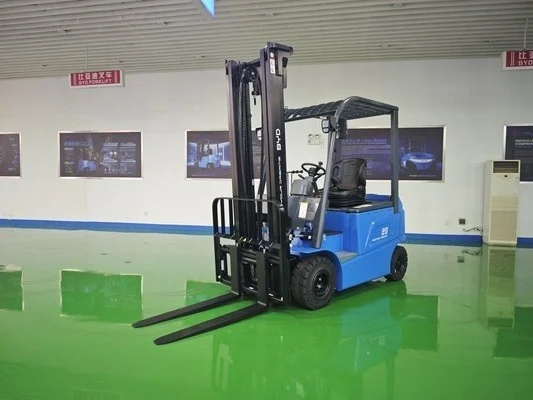
Cold Storage Operations
Lead-acid batteries lose significant capacity and service life when operating in freezing temperatures. Capacity drops can reach 30 to 50 percent below rated levels, which forces more frequent charging and earlier replacement.
Lithium ion batteries maintain much higher capacity in cold environments, with less rapid degradation. This leads to longer service life and lower energy use, resulting in lower overall TCO even when adjusted against higher upfront investment.
Common Mistakes That Skew TCO Calculations
Even experienced managers make these mistakes when comparing battery options:
Only Counting Upfront Purchase Price
The most common mistake focuses solely on initial purchase cost, ignoring all other lifecycle cost components. This error almost always makes lead-acid batteries appear cheaper than they actually are, since most long-term cost savings come from lower operational and maintenance expenses.
Omitting Labor Costs From Maintenance
Many calculations do not include labor hours workers spend maintaining lead-acid batteries. Even 15 minutes of maintenance per battery per week adds up to multiple hours of paid labor annually across a full fleet. These costs add thousands of dollars in annual expense that rarely gets included in initial comparisons.
Ignoring Differences In Replacement Frequency
Most TCO calculations only compare cost of one battery purchase, not multiple replacements across the full forklift lifecycle. A single lithium ion battery often lasts as long as two or three lead-acid batteries. This means you must compare cost of multiple lead-acid purchases against one lithium ion purchase to get an accurate result.
Frequently Asked Questions
Will a lithium ion forklift battery lower my long-term operational cost?
Outcome depends on your specific operational profile. Operations running multiple shifts daily or in cold storage consistently see lower long-term cost with lithium ion options. Light-duty single shift operations may see higher overall cost due to higher initial investment. Always calculate full lifecycle TCO before making your purchasing decision.
How long does a typical lithium ion forklift battery last?
Most commercial models last between 5 and 10 years with proper charging practices. Cycle life ranges from 2000 to 5000 full charge cycles, depending on operating temperature, depth of discharge, and battery chemistry. Proper charging habits can extend life closer to the upper end of this range.
What hidden costs should I add to my TCO calculation?
Common hidden costs include labor required for… no, common hidden costs include labor needed to complete regular maintenance, spare battery purchases, facility space dedicated to battery changing and charging, and disposal fees at end of life. All these items must get included to generate an accurate full lifecycle comparison between lithium ion and lead-acid options.
Can I use opportunity charging with lithium ion forklift batteries?
Yes, most lithium ion forklift battery systems are designed specifically to support opportunity charging during breaks or shift changes. This capability eliminates frequent battery swapping needs, which delivers main benefits among multi-shift operations.
Final Considerations Toward Accurate TCO Calculation
Calculating full TCO across operational lifecycle gives you the most accurate picture of true cost when selecting a new forklift battery. Always adjust your calculation to match your specific usage profile, include all hidden cost components, and compare total cost across the full service life of your forklift fleet. This approach ensures you select the option that aligns with your long-term budget and operational needs.