How Charging Habits Impact Lithium Ion Forklift Battery Cycle Count Retention
News 15/10/2026
In manufacturing in-plant logistics, forklifts operate daily under variable shift schedules and load demands, making lithium ion forklift battery performance a critical part of operational continuity. Your daily charging habits directly shape how long your battery retains its rated cycle count, which directly impacts total service life and replacement costs. This guide breaks down key relationships between charging routines and cycle retention, tailored specifically to the needs of in-plant manufacturing logistics.
Core Charging Habits That Affect Cycle Count Retention
Lithium ion chemistry relies on controlled voltage and state of charge levels to maintain capacity over repeated cycles. Small daily charging choices add up over years of service, creating measurable differences in total available cycle count.
Opportunistic Partial Charging
Unlike older lead acid battery chemistries, lithium ion batteries handle frequent partial charging well. In multi-shift manufacturing operations, opportunistic top-ups between shifts reduce occurrences of deep discharge, which helps preserve cycle count retention over time. The only catch comes when partial charging is paired with incorrect BMS settings that prevent periodic full calibration, but this can be avoided with scheduled maintenance checks.
Full Discharge Before Charging
Repeated full discharges that pull state of charge below 20% accelerate cell degradation, which reduces total cycle count retention. Many in-plant operations run forklifts until they stop working to maximize shift output, but this common practice cuts years off total battery service life.
Extended Trickle Charge After Full Capacity
Batteries left plugged in after reaching full charge, without automatic BMS cutoff, experience constant low-level overcharging. This gradually damages cell electrodes, leading to early capacity fade and lower retained cycle count than manufacturer ratings.
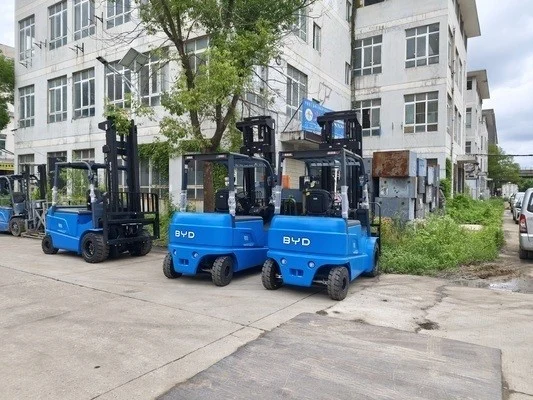
Manufacturing In-Plant Logistics Specific Charging Challenges
In-plant manufacturing logistics operations face unique conditions that amplify the impact of poor charging habits, compared other logistics applications. These conditions include:
- Uneven shift schedules that lead to irregular charging intervals, especially during peak production cycles
- Temperature swings near production lines that alter charging efficiency and cell degradation rates
- Extended shutdown periods during holidays or equipment maintenance that leave batteries connected to chargers for days or weeks
- Shared forklift fleets where different operators follow different charging routines, creating inconsistent load on battery cells
These conditions make intentional charging protocol design far more critical to preserving cycle count retention than it is in low-utilization operations.
Key Configuration & Verification Steps During Procurement
Before you accept delivery of your new lithium ion forklift battery, you need to verify key configurations match your operation’s specific charging patterns. The table below outlines core items to check:
| Parameter/Configuration | Industry Concern | Verification Steps | Configuration Notes |
|---|---|---|---|
| BMS charge cutoff settings | Prevents overcharging that erodes cycle count retention | Request supplier documentation detailing upper and lower voltage limits matched to your operation’s typical discharge depth, check configuration on delivery | Standard on most industrial lithium packs, custom settings available as optional add-on |
| Low-power idle mode | Extended plant shutdowns can cause trickle charge damage over time | Confirm idle mode algorithm design with supplier, test battery state of charge after 7 day idle period before full deployment | Always confirm whether this mode is included as standard equipment |
| Partial charge efficiency | Frequent top-ups between shifts change long-term cycle retention | Ask supplier to share test data under partial charge cycles matching your shift pattern | Higher efficiency cells carry higher upfront cost |
| Ambient charging temperature range | Manufacturing floors can have wide temperature swings near production lines | Confirm charging range matches your facility’s measured temperature range | Active temperature management available as optional add-on in high temperature areas |
Always get written confirmation of all configuration details from your supplier before completing purchase, as cycle retention ratings are often based on ideal charging conditions that may not match your facility.
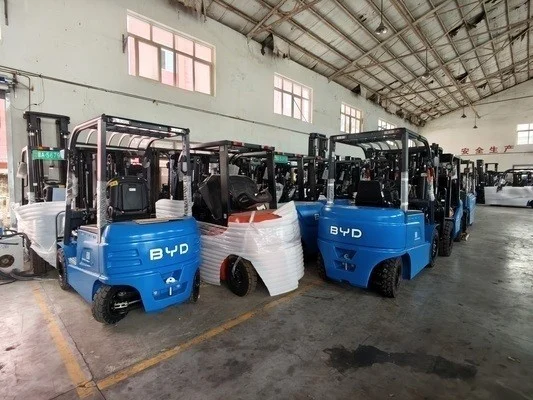
Actionable Best Practices To Preserve Cycle Count Retention
You can implement these simple changes to your daily operation to preserve your lithium ion forklift battery cycle count retention:
- Avoid regular deep discharges below 20% state of charge; add scheduled mid-shift top-ups during long production runs
- Locate charging stations away from hot production equipment to maintain consistent charging temperatures
- Unplug batteries from chargers once full charge completes if your BMS lacks automatic cutoff functionality
- Activate low-power idle mode on all batteries during extended plant shutdowns
- Log charging frequency and state of charge monthly to track early signs of unexpected retention loss
- Train all forklift operators on your facility’s charging protocols to ensure consistent habits across shared fleets
These changes require minimal extra time or cost, but deliver measurable improvements in long-term battery service life.
Frequently Asked Questions
Does leaving a lithium ion forklift battery plugged in overnight damage cycle retention?
This outcome depends entirely on your battery’s built-in BMS design. Modern BMS systems stop full charging and switch to low-power maintenance mode once the battery reaches full capacity. Without this feature, continuous trickle charge can cause gradual capacity fade and reduce total available cycle count over time. Always confirm this capability with your supplier before deployment.
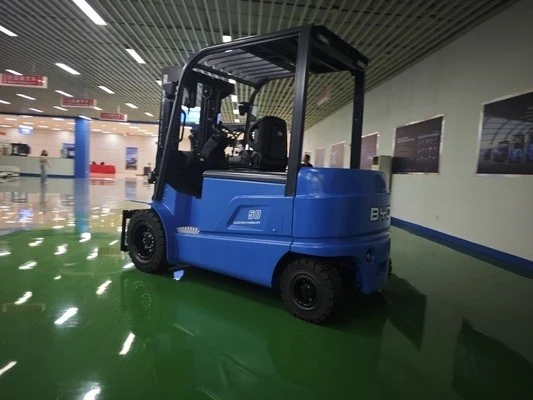
Can I change charging protocols after battery installation to improve retention?
Yes, you can adjust team charging routines any time to improve long-term retention. Changes like adding mid-shift top-ups instead of waiting full discharge show measurable improvements within a few months of implementation.
What retention loss level triggers battery replacement?
Most operations replace batteries when usable capacity drops below 80% of original rated capacity. Your replacement timeline depends on your operation’s minimum power requirements; heavy load manufacturing operations may require replacement earlier than light duty applications.
Before finalizing your lithium ion forklift battery purchase, confirm your supplier’s cycle retention warranty covers your typical charging and operating conditions. This gives you protection if retention drops faster than expected after deployment.