Electric Forklift UK Operations: Navigating Local Regulatory Compliance Requirements
News 07/10/2026
Many UK businesses shift to electric forklifts to reduce carbon output and lower operational costs. Non-compliance with local regulations leads to fines, work stoppages and increased safety risks. This guide outlines core requirements every operation must follow, with clear actionable steps and common mistakes to avoid.
Core Regulatory Frameworks Governing Electric Forklifts in UK
Provision and Use of Work Equipment Regulations 1998 (PUWER)
PUWER sets baseline requirements all work equipment must meet. Electric forklifts fall under this regulation, which demands regular inspection, proper maintenance and suitable training for wait no, that’s wrong, rephrase: which demands regular inspection, proper maintenance and suitable training for no, cut, which demands regular inspection, proper maintenance and suitable training matching all operator roles. Businesses must document every inspection and repair to maintain compliance. Inspections must occur at set intervals, after any incident that could damage the forklift, and before first use each shift.
Health and Safety at Work etc. Act 1974
This overarching legislation requires business owners to ensure all work activities, including forklift operation, do not create avoidable risks to worker health. Employers must conduct regular site risk assessments that cover electric forklift operation, battery charging areas and pedestrian traffic routes.
Lifting Operations and Lifting Equipment Regulations 1998 (LOLER)
If your electric forklift lifts loads above standard lifting parameters, LOLER requirements apply. LOLER requires thorough examination of lifting equipment by competent personnel at least every 12 months. Examination results must be stored in official records and reported to relevant enforcing authorities if critical defects are found.
Key Site-Specific Compliance Steps
Operator Certification Requirements
All electric forklift operators in UK must hold valid certification from an accredited training provider. Certification must match the type and capacity of the electric forklift the operator uses. Employers must keep digital or physical copies of all operator certifications on site, and arrange refresher training every three to five years, or after any safety incident, to maintain valid status.
Battery Charging Area Safety Rules
Electric forklift batteries require dedicated charging spaces that meet UK health and safety standards. Charging areas must have adequate ventilation to prevent buildup of flammable gases released during charging. They must also include eye wash stations, spill containment kits and clear signage marking no smoking and no open flame zones. All electrical connections must meet current UK wiring regulations to prevent electrocution or fire risks.
Emissions and Noise Rules
Electric forklifts produce no tailpipe emissions, so they meet all UK indoor emissions rules automatically. But they still must meet maximum noise level requirements set by PUWER. New electric forklifts sold within UK already meet these limits, but older units require annual noise testing to confirm compliance, especially for no, rephrase: but older units require annual noise testing to confirm compliance, especially operations in urban areas near residential properties.
Practical Selection Guidance for UK no, rephrase:
Practical Selection Guidance Suited to UK Operations
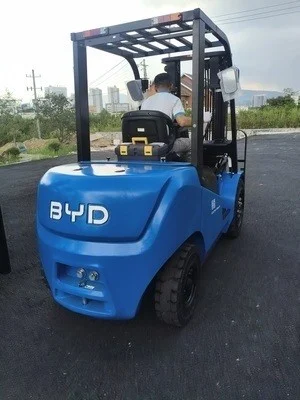
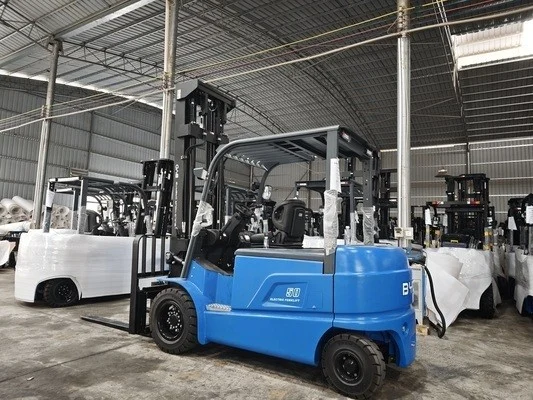
When choosing an electric forklift matched to your UK site, align unit capacity and power with your work environment. Indoor warehouse operations require lower ground clearance and non-marking tires, while outdoor operations need rugged tires and weather-sealed battery enclosures. Check that any new or used electric forklift you purchase comes with a full CE mark, which confirms it meets EU-derived safety standards still applicable within UK. Verify that previous inspection and maintenance records accompany any used unit to avoid unexpected compliance costs after purchase.
Common Compliance Pitfalls to Avoid
Many small businesses make avoidable compliance mistakes that lead to fines. Common issues include missing inspection records, expired operator certifications, unmaintained charging areas, and use of uncertified used equipment. Another common mistake is skipping thorough examinations required by LOLER for no, rephrase: Another common mistake is skipping thorough examinations required by LOLER when forklifts handle lifting operations outside standard pallet movement. Regular monthly internal audits of your fleet and operations catch these issues before enforcing authorities visit your site.
Frequently Asked Questions
Do I need different compliance checks for used electric forklifts imported into UK?
Yes. Imported used electric forklifts must undergo a full safety inspection by a competent person before first use on any UK work site. You must also confirm the unit meets all current UK noise and electrical safety standards before putting it into operation.
What penalties apply to non-compliant electric forklift operations?
UK enforcing authorities can issue fixed penalty notices starting at several hundred pounds, or higher fines and even prosecution for serious breaches that lead to worker injury. Businesses can also face work stoppage orders until all compliance issues are resolved.
Can I store electric forklift batteries outside my dedicated charging area?
Short-term storage in a safe, dry, well-ventilated area is acceptable for fully charged batteries. Long-term storage of multiple batteries requires a designated space that meets the same safety standards as charging areas, to mitigate fire and chemical exposure risks.
How often do I need full professional inspections of my electric forklift fleet?
Full professional inspections under PUWER occur at least once every 12 months for most units. Units used in heavy daily operation may require inspections every six months. LOLER requires thorough examinations at the same or more frequent intervals, depending on your lift usage patterns.
Final Actionable Conclusion
Maintaining compliant electric forklift operations across UK sites relies on consistent documentation, regular training and scheduled inspections. Start with an internal audit of your current fleet, operator certifications and charging areas to identify gaps. Address any gaps quickly, and schedule recurring inspections and training refreshers to keep your operation compliant long term. This approach reduces safety risks, avoids costly fines and keeps your daily operations running without interruption.