Counterbalance Forklift Tire Selection: Aligning Terrain Type to Long-Term Operational Reliability
News 07/10/2026
Counterbalance forklifts operate across dozens of work environments, from smooth warehouse floors to rough outdoor construction yards. Tire choice directly impacts traction, load stability, tire wear, and overall operational reliability. Wrong tire selection leads to unexpected downtime, increased maintenance costs, and avoidable safety risks. This guide matches common terrain types to appropriate counterbalance forklift tire options, and outlines clear selection rules that support long-term performance.
Common Counterbalance Forklift Tire Types
Solid Pneumatic Tires
Solid pneumatic tires feature reinforced rubber construction with dense inner layers. They resist punctures from sharp debris common in outdoor or mixed-use sites. They offer moderate cushioning against uneven ground, and work well with heavy load capacities typical of most counterbalance forklift models.
Cushion (Solid Smooth) Tires
Cushion tires are compact solid rubber tires built for hard, flat surfaces. Their small footprint lets counterbalance forklifts maneuver in tight indoor spaces, and their dense rubber delivers long wear life on clean, smooth terrain.
Air Pneumatic Tires
Air pneumatic tires use inflated rubber casings similar to light truck tires. They deliver superior cushioning on extremely uneven terrain, and provide excellent traction in wet or loose ground conditions. They require more regular maintenance to maintain correct air pressure, and face higher puncture risk than solid alternatives.
Matching Tires to Terrain Type
Indoor Smooth Concrete Warehouse Floors
Most indoor distribution centers and storage warehouses feature flat, smooth concrete floors. Primary needs here include tight maneuverability, low rolling resistance, and long wear from constant stop-and-go operation.
Selection Recommendation: Cushion (solid smooth) tires.
Limitations: These tires perform poorly on uneven or cracked surfaces, and transmit more vibration to operators than pneumatic options over rough ground. They do not provide enough traction on wet outdoor ground, so they remain unsuitable to operations that mix indoor and outdoor travel.
Mixed Indoor-Outdoor Terrain (Retail Distribution, Lumber Yards)
This terrain type combines smooth indoor storage areas with uneven outdoor yards, often with scattered debris like nails, splintered wood, or broken stone. Core needs include puncture resistance, moderate cushioning, and reliable traction across multiple surface types.
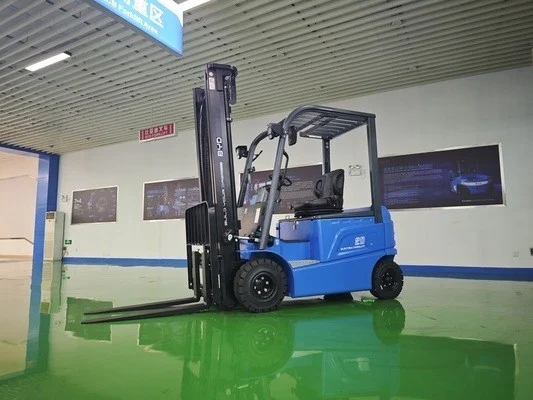
Selection Recommendation: Solid pneumatic tires.
Limitations: Solid pneumatic tires have a larger footprint than cushion tires, so they can reduce maneuverability in extremely narrow warehouse aisles. They also provide less cushioning than air pneumatic tires on extremely rough, ungraded ground.
Rough Unpaved Outdoor Terrain (Construction Sites, Scrap Yards)
This terrain includes loose gravel, uneven dirt, rutted ground, and frequent exposure to sharp metal, broken concrete, or other debris. Core needs include maximum traction, impact absorption, and puncture resistance.
Selection Recommendation: Reinforced solid pneumatic tires suit most applications; air pneumatic tires work only in low-debris sites where operator comfort ranks as a top priority.
Limitations: Air pneumatic tires carry high puncture risk in sites with sharp debris, leading to unplanned downtime. Solid options are heavier, which can slightly reduce maximum load capacity on some smaller counterbalance forklift models.
Wet or Slippery Terrain (Marine Ports, Cold Storage Facilities)
Slippery surfaces from water, ice, or spilled materials require enhanced traction to prevent load shift or tip-over incidents.
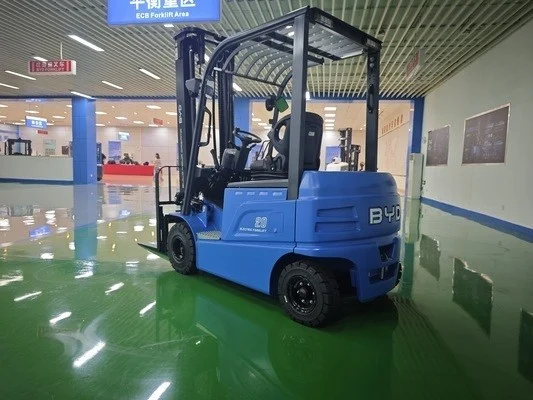
Selection Recommendation: Deep-tread solid pneumatic tires suit outdoor wet sites; non-marking treaded cushion tires work in cold storage indoor sites.
Limitations: Deep-tread designs can trap small debris, leading to faster wear on smooth indoor floors. Non-marking rubber compounds often wear faster than standard black rubber compounds on rough outdoor surfaces.
Core Additional Selection Criteria Beyond Terrain
Even after matching your terrain type, several other factors influence long-term reliability:
Load Capacity
Higher daily load weights require tires rated to support your counterbalance forklift’s maximum capacity. Overloading underrated tires accelerates wear dramatically and increases safety risks.
Usage Frequency
Operations running 24/7 require high-wear-rated tire compounds that resist heat buildup during constant use.
Maneuverability Requirements
Narrow aisle operations demand smaller profile tires that match your forklift’s turning radius.
Frequently Asked Questions
Can I use cushion tires on my counterbalance forklift during outdoor work?
Cushion tires work only on short, smooth outdoor paved surfaces. Any uneven terrain or debris will cause excessive wear, poor traction, and increased operator vibration. They also lack the puncture resistance needed by most outdoor sites, so they are not recommended during regular outdoor use.
How often should I replace counterbalance forklift tires?
Replacement frequency depends on terrain, usage frequency, and tire type. Most operations replace solid tires every 1,000 to 6,000 hours of operation. You should inspect tires monthly for signs of wear, cracking, or puncture damage, and replace any damaged tires immediately.
Do solid pneumatic tires affect operator comfort?
Solid pneumatic tires provide less cushioning than air pneumatic tires, so operators may experience more vibration on extremely rough terrain. Modern reinforced solid designs reduce this gap significantly, and the benefit of zero puncture risk outweighs minor comfort tradeoffs across most high-debris sites.
What tire option delivers the longest operational life?
Cushion tires deliver the longest service life on smooth, clean indoor terrain. Solid pneumatic tires deliver the longest service life on mixed or rough outdoor terrain. No single tire option works best across all terrain types, so matching your tire to your work environment is the most reliable way to maximize tire service life and overall operational reliability.
Conclusion
Counterbalance forklift tire selection hinges on aligning tire design to your most common operating terrain. Indoor operations with smooth concrete get the best long-term reliability from cushion tires. Mixed indoor-outdoor sites benefit from solid pneumatic tires, while rough outdoor sites require reinforced solid pneumatic or appropriately rated air pneumatic options. Always verify tire load ratings and maneuverability requirements match your specific counterbalance forklift model and operation layout. Regular monthly inspections catch damage early, and help maintain consistent operational reliability over the full service life of your tires.