Ergonomic Design Parameters Influence Electric Forklift Truck Operator Safety and Long-Term Fleet Operational Efficiency
News 14/10/2026
Electric forklift trucks play critical roles in warehouse, manufacturing, and distribution center operations. Operator comfort and safety directly impact daily output, incident rates, and long-term fleet health. This article breaks down key ergonomic design parameters, their connections to safety and efficiency, and actionable guidance teams can use when evaluating new equipment.
Core Ergonomic Design Parameters Shaping Operator Safety
Ergonomic design centers on matching equipment to human body needs, rather than forcing operators to adapt to poorly laid out machinery. Several core parameters create the biggest impact on daily operator safety.
Adjustable Seating and Posture Support
High-quality seats with multiple adjustment points let operators align their body to reduce strain during long shifts. Features like lumbar support, adjustable height, and tilt control keep spines aligned, reducing chronic musculoskeletal strain that develops over months or years of daily operation. Non-adjustable seats force operators into unnatural positions, increasing distraction and injury risk over a shift.
Intuitive Control Placement
Controls placed within easy reach eliminate repeated overreaching or awkward twisting to activate functions. Weighted, responsive controls reduce hand and wrist strain, while clearly marked controls cut decision time during high-pressure moves. Poorly placed controls force operators to divert attention from the travel path, increasing collision risk.
Unobstructed Cab Visibility
Full, unblocked visibility across all sides of the truck lets operators spot pedestrians, obstacles, and racking edges without twisting or leaning out of the cab. Narrow mast profiles and large window openings eliminate blind spots that contribute to common worksite incidents.
Connections Between Ergonomic Design and Long-Term Fleet Efficiency
Many fleet managers focus only on upfront equipment costs, but ergonomic design creates cascading efficiency benefits that build over the entire service life of an electric forklift truck. Electric forklift trucks already produce lower vibration than internal combustion models, but good ergonomic seat design further reduces remaining vibration that contributes to fatigue over long shifts.
Reduced operator fatigue directly translates to consistent output across full shifts. Tired operators make more mistakes, slow down during late shifts, and require more frequent breaks. Ergonomic design cuts fatigue, keeping output steady from the start to end of each workday.
Lower injury rates reduce unplanned absences and workers compensation claims. Chronic strain injuries and acute incident-related injuries take operators off the floor, forcing teams to reallocate staff or slow operations to cover open shifts. Fewer injuries keep staffing consistent and avoid unexpected costs associated with workplace accidents.
Higher operator satisfaction reduces turnover. Skilled forklift operators with experience on your specific fleet stay with employers that prioritize their comfort and safety. Lower turnover cuts recruitment and training costs, and keeps institutional knowledge within your operations team.
Lower operator error reduces damage to equipment, inventory, and facility structures. Collisions and misplacement of loads cause unplanned downtime for repairs, and require budget reallocation to fix damaged goods or infrastructure. Ergonomic design reduces these errors by keeping operators focused and comfortable.
Actionable Selection Guidance for Ergonomic Electric Forklift Trucks
Teams evaluating new electric forklift models can follow these practical steps to prioritize ergonomic design that matches their specific operational needs:
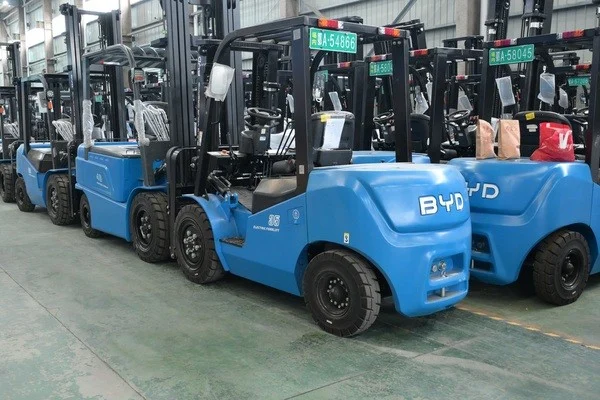
First, test equipment with operators that will use the truck daily. Different body types and shift lengths create different needs, so end-user feedback carries more weight than generic marketing claims.
Second, map your typical shift lengths and usage intensity. Operations that run 8+ hour daily shifts benefit more from high-end ergonomic features than operations that use forklifts only a few hours each week.
Third, account for common worksite conditions. Outdoor operations or operations with uneven surfaces need additional suspension in seating to reduce whole-body vibration, an often-overlooked source of long-term operator strain.
Key limitations to keep in mind: Not all ergonomic features add equal value to every fleet. High-end features add upfront cost, so teams should prioritize parameters that address their most common pain points rather than adding every available upgrade. One example: fleets with multiple rotating operators should prioritize quick-adjust features over premium upholstery, since easy adjustments deliver more safety benefit across different users.
Frequently Asked Questions
What ergonomic features deliver the most value to multi-operator fleets?
Multi-operator fleets gain the most value from quick-adjust features including adjustable steering columns, sliding seat positions, and customizable control settings. These features let each operator tailor the cab to their body dimensions in minutes, eliminating forced awkward positions regardless of who operates the truck.
Does ergonomic design really lower incident risk with electric forklift trucks?
Reduced fatigue and improved visibility both improve operator focus and reaction time, which directly lower risk of collisions, slips, and overexertion injuries. Exact incident rate reductions vary widely based on worksite safety protocols, operator training, and environmental conditions, so teams should pair ergonomic equipment with ongoing safety training to get the best results.
Are ergonomic electric forklift models worth the higher initial investment?
Most fleets with high daily usage see full return on investment within a few years through lower turnover, fewer workers compensation claims, and less unplanned downtime. Fleets with low daily usage may not see return as quickly, so they should prioritize high-impact low-cost ergonomic upgrades instead of premium packages.
Prioritizing ergonomic design parameters when selecting electric forklift trucks creates long-term benefits that extend well beyond operator comfort. Improved safety protects your team, and consistent operational efficiency boosts your fleet’s overall performance over its entire service life. Evaluating parameters against your specific operational needs ensures you get the best value without unnecessary upgrades.