Ground Surface Properties Direct Electric Forklift Truck Model Selection And Maintenance Planning
News 08/10/2026
Many warehouse and outdoor logistics operations rely on electric forklift trucks to move loads. Ground surface characteristics play a major role in model selection and long term maintenance strategy. Wrong equipment matching leads to faster tire wear, higher repair costs and safety risks. This guide breaks down connections between surface properties and equipment decisions that impact daily operations and long term equipment life.
How Ground Surface Properties Impact Electric Forklift Truck Selection
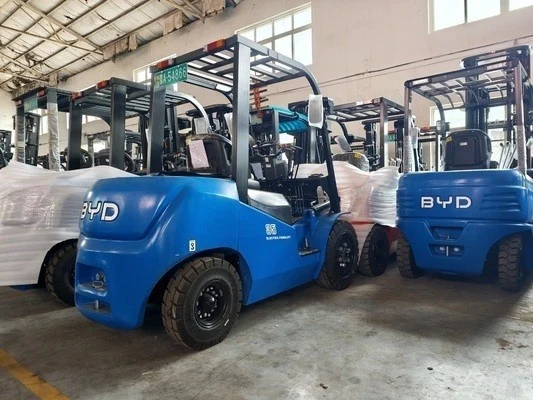
Electric forklift trucks come in different chassis, tire and drive train configurations matched to specific ground conditions. Below we break down common surface types and appropriate models:
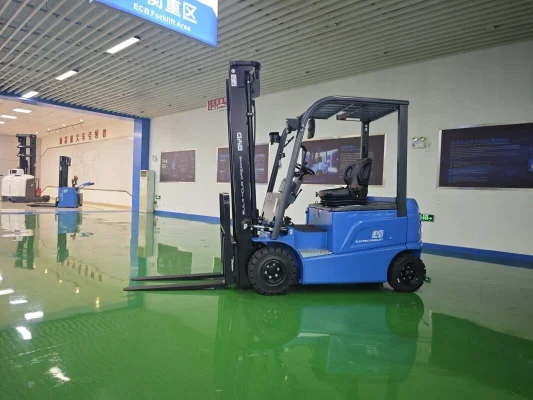
Smooth, Sealed Concrete Surfaces
Most indoor warehouse operations use sealed, level concrete. These surfaces have low abrasion and consistent traction. Counterbalanced electric sit-down forklift trucks work well here. Solid cushion tires deliver precise maneuvering in tight aisles, and their smaller footprint fits standard rack spacing. Three-wheel electric models also suit this environment, as they offer tighter turning radius for… wait no, for no, rewrite: Three-wheel electric models also suit this environment, as they deliver tighter turning radius needed by crowded storage areas. Key restrictions: Avoid large, heavy-duty off-road models on smooth indoor concrete, as their aggressive tread damages floor sealing and creates unnecessary noise.
Abrasive, Unpaved Gravel Or Dirt Surfaces
Outdoor lumber yards, construction supply lots and agricultural storage areas use unpaved ground with loose abrasive particles. These surfaces wear tires and damage undercarriage components quickly. Rough-terrain electric forklift trucks with pneumatic tires fit this environment. Pneumatic tires absorb impact from uneven ground and their deep tread delivers reliable traction on loose material. Models with reinforced undercarriage panels also protect drive train components from rock and dirt damage. Key restrictions: Standard cushion tire electric forklift trucks wear out within months on abrasive unpaved ground, as loose particles wear through tire rubber and enter bearing assemblies.
Sloped Or Uneven Mixed-Use Ground
Many operations move loads between indoor storage and outdoor loading areas with uneven, sloped ground. This mixed environment requires flexible equipment. Stand-up reach electric forklift trucks with puncture-resistant solid pneumatic tires work well here. They handle indoor concrete aisles and provide enough traction to navigate gentle outdoor slopes. Models with automatic traction control adapt to changing surface conditions when moving between indoor and outdoor spaces. Key restrictions: Models without traction control increase slip risks on wet sloped ground, so they require extra operator training even with appropriate tires.
Maintenance Planning Adjustments Based On Ground Conditions
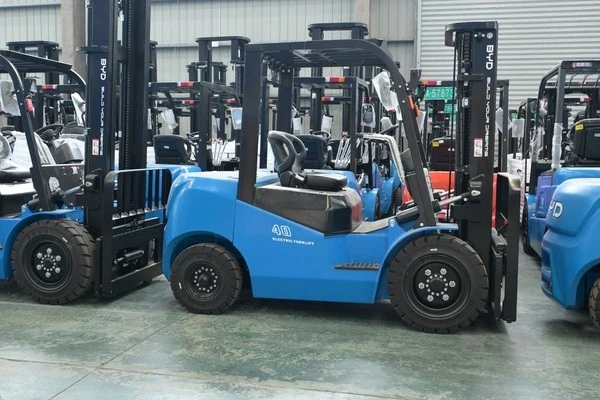
Ground surface properties also determine maintenance frequency and priority tasks. Adjusting your schedule matches wear patterns and extends equipment service life.
Maintenance Scheduling For… no,
Maintenance Scheduling On Smooth Indoor Concrete Surfaces
Operations on smooth concrete see lower overall wear, but focus on brake and steering system checks. Tire pressure checks remain consistent, and tire rotations only happen once every 12 months. Lubricate mast and chassis components every 90 days, since low dust levels mean less contamination of moving parts.
Maintenance Scheduling On Abrasive Outdoor Surfaces
Operations on abrasive unpaved ground require weekly tire inspections to check for cuts and embedded rock particles. Clean undercarriage components every week to remove accumulated dirt and gravel that wears on seals and bearings. Lubricate all moving parts every two weeks, and replace ventilation intake filters more often to prevent dust accumulation in battery compartment and motor housings. Tire replacement cycles can drop from 5 years on indoor concrete to 18-24 months on abrasive ground, so plan replacements in advance within your annual budget.
Maintenance Scheduling On Sloped Mixed-Use Ground
Mixed-use operations require monthly traction control system tests, to confirm sensors respond correctly to changing surface grip. Check tire tread depth every two weeks, as uneven wear from slopes reduces traction faster than wear on level ground. Inspect brake pads monthly, since more frequent slope travel increases brake system wear.
Frequently Asked Questions
Can I use an indoor electric forklift truck outdoors occasionally?
Occasional short trips across packed gravel or paved outdoor areas do not cause major damage, but consistent outdoor use on abrasive ground accelerates wear dramatically. Plan equipment upgrades if your operation shifts more work to outdoor spaces.
How does wet ground impact electric forklift truck selection?
Wet surfaces (whether paved or unpaved) require models with traction control and deep-tread tires to reduce slip risks. All electric components on models marketed for… no, rewrite: All electric components on models built outdoor use include sealed enclosures that resist moisture damage, so confirm this feature when purchasing equipment suited to wet outdoor environments.
Do ground surfaces affect electric forklift battery life?
Yes. Constant travel on uneven slopes or loose ground requires more motor power to move loads, which increases energy consumption and reduces run time per charge. Frequent stopping and starting on rough ground also adds extra strain on battery connections, requiring more frequent inspection of terminal connections to prevent power interruptions.
What maintenance tasks apply to all electric forklift trucks regardless of ground surface?
All electric forklift trucks require regular battery health checks, daily operator safety inspections, and annual professional service inspections. These tasks remain core to safe operation no matter what ground surface your equipment traverses.
Matching your electric forklift truck model to your operation’s ground surface properties reduces unexpected downtime, lowers long-term repair costs and improves worksite safety. Adjust your maintenance schedule to reflect wear patterns created by your specific working environment, and prioritize component checks that align with your surface conditions. Regular reviews of your equipment performance and wear rates let you refine your selection and maintenance strategy as your operation grows and changes.