Cold Storage Environment Impacts on Electric Forklift Battery Performance and Operational Reliability
News 10/10/2026
Many cold storage facilities rely on electric forklifts to move inventory through supply chains. Low ambient temperatures create unique challenges affecting battery performance and overall operational reliability. Unaddressed temperature related issues lead to unexpected downtime, increased maintenance costs, and reduced fleet productivity. This guide breaks down observed impacts, actionable recommendations, and common questions surrounding this topic.
Core Impacts of Low Temperatures on Electric Forklift Batteries
All battery chemistries experience performance shifts when exposed to sustained sub-zero temperatures. Two most common chemistries found in electric forklifts are lead acid and lithium ion, each responding differently to cold conditions. The chemical reactions that generate usable electricity inside all battery types slow significantly as temperatures drop, and this shift creates noticeable changes to how batteries function during daily operation.
Reduced Available Capacity
As temperatures drop, battery internal resistance increases. This reduction slows chemical reactions that generate usable power. Lead acid batteries typically see more dramatic capacity drops than lithium ion batteries at temperatures below freezing. Fleet operators often report run times drop by 30 to 50 percent in the coldest cold storage sections, though exact values vary based on battery age, chemistry, and load. Heavier cargo loads also draw more power from already weakened batteries, which can shorten run times even further in cold environments.
Slower Charging Cycles
Cold batteries accept charge much slower than warm batteries. Most standard chargers do not adjust voltage or current output to compensate low internal temperatures, extending total charge time significantly. This can create scheduling conflicts when multiple forklifts share limited charging infrastructure, leaving operations under-prepared for upcoming shifts.
Increased Risk of Permanent Damage
Lead acid batteries contain water based electrolyte, which can freeze if temperatures drop low enough while battery sits in discharged state. Frozen electrolyte can crack battery casings and damage internal plates, rendering the unit unusable. Even lithium ion batteries experience increased internal degradation when repeatedly charged while cold, shortening overall service life.
Actionable Guidance Optimizing Battery Performance in Cold Storage
Proper preparation and maintenance minimize negative cold storage impacts. These steps work across most electric forklift fleet setups:
- Store batteries in temperature controlled warming areas when not in use: Many operators make the common mistake leaving batteries inside forklifts parked inside cold storage overnight. Even when the forklift is not in operation, sustained cold exposure pulls core battery temperature down to match ambient conditions, which means the battery starts every shift already running at a significant capacity disadvantage. Warming areas maintain temperatures that keep chemical reactions active without accelerating degradation from excess heat.
- Adjust charging schedules to accommodate longer charge times: Many fleets use the same charging schedule they rely on when operating in room temperature warehouses. That schedule does not account for extended charge times low temperatures require, leading to situations where batteries are only partially charged when the next shift starts, compounding existing capacity issues. Staggering charging times across different shifts avoids overloading shared infrastructure and works well for mid-sized and large fleets.
- Select batteries built specifically to handle cold storage applications: Not all cold storage facilities have the same temperature range. Facilities holding frozen goods operate at much lower temperatures than facilities holding chilled produce, so battery selection must align with your facility’s typical ambient conditions. Many manufacturers offer chemistries and enclosure modifications that improve performance in sub-zero conditions.
- Check electrolyte levels and internal resistance more frequently: Regular testing catches early signs of degradation before it causes unplanned downtime. Cold temperatures amplify existing issues, so increasing testing frequency from quarterly to monthly helps catch small problems before they turn into costly outages.
Common Questions About Electric Forklift Batteries in Cold Storage
General Common Questions
Can standard electric forklift batteries operate inside cold storage?
Standard batteries can work short term in mild cold storage environments kept above freezing. However, sustained exposure to sub-zero temperatures will accelerate degradation and reduce performance significantly. Long term use requires batteries rated to handle low temperature conditions to avoid excessive downtime and replacement costs.
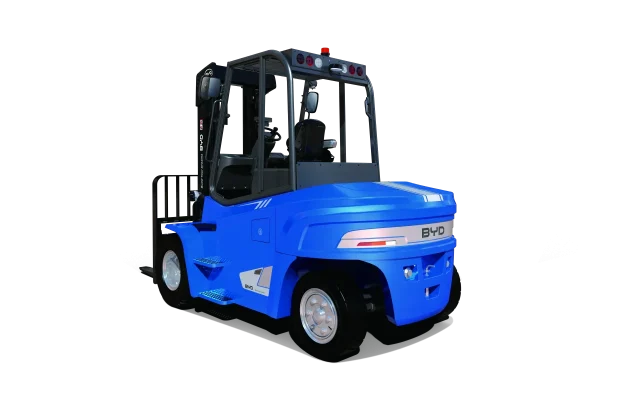
Are lithium ion batteries better than lead acid batteries in cold storage?
Lithium ion batteries typically handle cold temperatures better than traditional lead acid batteries. They experience smaller capacity drops, less internal degradation, and faster charge acceptance in low temperatures. They also cost more upfront, so fleet managers must balance higher initial cost against long term productivity gains.
What maintenance steps extend battery service life in cold storage?
Key steps include keeping batteries warmed when not in use, avoiding charging cold batteries below recommended temperature thresholds, checking internal resistance monthly, and keeping battery terminals clean and free of corrosion. Follow all manufacturer guidelines regarding temperature ranges and charging protocols specific to your battery model.
How can I reduce unexpected downtime related to cold storage battery issues?
Proactive planning reduces most unexpected downtime events. Keep one or two extra fully warmed batteries on site to replace depleted units mid-shift. Implement scheduled preventive maintenance checks focused on battery health, and replace aging batteries before they fail during critical operations. Adjust shift lengths to accommodate shorter run times when using older, unmodified batteries.
Final Considerations
Cold storage environments create measurable impacts on electric forklift battery performance and operational reliability. Understanding these impacts helps fleet managers make informed decisions about battery selection, maintenance, and fleet scheduling. Proper preparation reduces negative effects, keeps operations running smoothly, and extends overall battery service life. Always reference manufacturer documentation when selecting or maintaining batteries built to serve cold storage operations.