Key Considerations: electric forklift Selection in Manufacturing and Warehouse Operations
News 03/10/2026
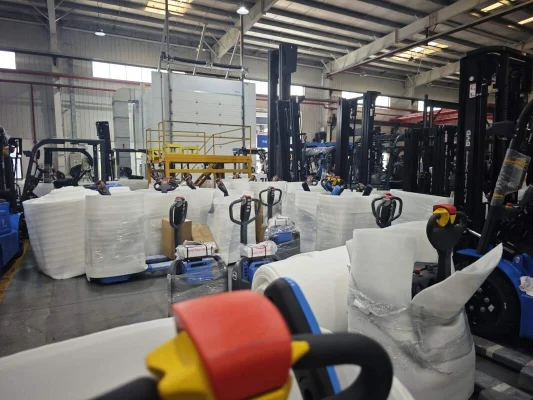
Electric forklifts grow in popularity across manufacturing and warehouse spaces, offering lower emissions, quieter operation and lower ongoing running costs compared to internal combustion alternatives. But wrong selection leads to reduced productivity, higher long-term costs and unnecessary safety risks. This guide outlines core considerations to align your choice with your unique operational demands.
Assess Your Operational Environment
Indoor vs. Outdoor Use
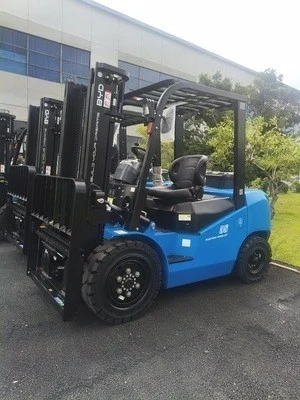
Most electric forklifts perform best in controlled indoor environments, including warehouse storage areas and production floors. Counterbalanced models with solid pneumatic tires handle light outdoor use, such as loading or unloading trucks on paved lots. But frequent exposure to uneven terrain, wet or muddy conditions limits electric model lifespan, because motor and battery components face higher risk of damage. If your operation requires regular travel over unpaved ground, electric options may not match your needs without specialized enclosed component packages.
Space Constraints
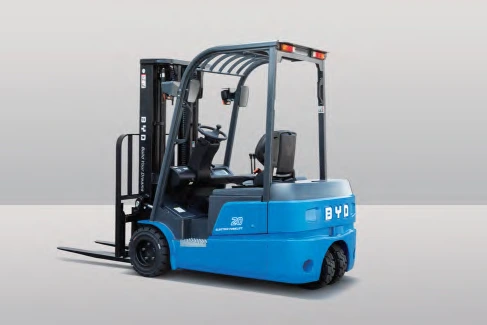
Narrow aisle warehouses need compact electric designs, such as stand-up reach trucks or three-wheel counterbalanced models. These units deliver smaller turning radii, let teams access high storage racks without damaging surrounding inventory or infrastructure. Four-wheel counterbalanced electric forklifts offer higher load capacity, but require wider turning clearance, so they suit open manufacturing floors or bulk storage areas with extra available space.
Load Capacity and Lift Height Requirements
Electric forklift models come with a wide range of load capacity and maximum lift height ratings. First, document your heaviest routine load, then add a 10-15% buffer to account for unexpected or future loads. Never exceed a unit’s rated capacity, this creates avoidable safety risks and accelerates component wear. When working with non-standard loads, such as oversized pallets or cylindrical materials, add extra capacity to offset uneven weight distribution.
Lift height needs depend on your warehouse racking system. High-bay storage often requires lift heights exceeding 20 feet, which only specialized reach or order-picking electric forklifts support. Standard counterbalanced electric models top out around 15 feet, which suits most low-to-medium racking setups. Also, higher lift heights reduce maximum safe capacity, so confirm capacity ratings match your needs at your desired maximum lift.
Battery and Power Infrastructure Needs
Battery Type Options
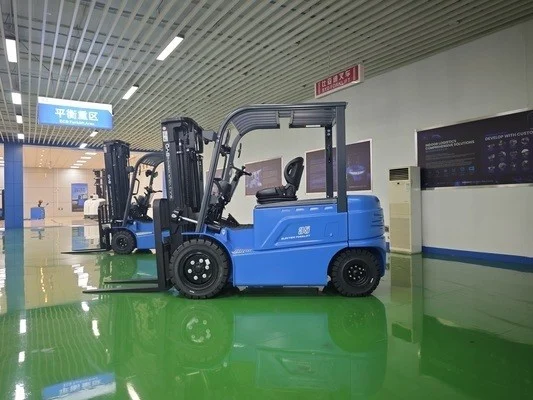
Three main battery types power modern electric forklifts: lead-acid, lithium-ion, and absorbed glass mat (AGM). Lead-acid batteries carry lower upfront cost, require regular maintenance including water top-offs, and 8-hour operation typically requires one full shift charge and a second backup battery to cover multi-shift work. Lithium-ion batteries carry higher upfront cost, need no maintenance, support opportunity charging during breaks, and deliver longer overall lifespan. They suit multi-shift operations that cannot accommodate battery swaps. AGM batteries fall between the two options, offering maintenance-free operation with lower cost than lithium-ion, but lower overall cycle life.
On-Site Infrastructure Requirements
Electric forklifts need dedicated charging space with appropriate electrical supply. Lead-acid batteries require ventilation to disperse hydrogen gas released during charging. Lithium-ion chargers do not require special ventilation, but need higher electrical capacity than lead-acid chargers for fast charging. You must coordinate with your facility’s electrical team to confirm your location can support the charging setup your selected battery type requires. Battery swapping also needs dedicated space to store charged and discharged units, which adds to your facility’s overall space requirements.
Total Cost of Ownership
Upfront purchase price only represents a small portion of total cost across a forklift’s working life. Electric forklifts have higher initial purchase cost than comparable internal combustion models, but lower ongoing fuel and maintenance cost. Internal combustion models need regular oil changes, filter replacements, and emission system service, while electric models have far fewer moving parts that require routine service. Electricity costs also remain more stable than gasoline or propane prices, which simplifies long-term operational budgeting.
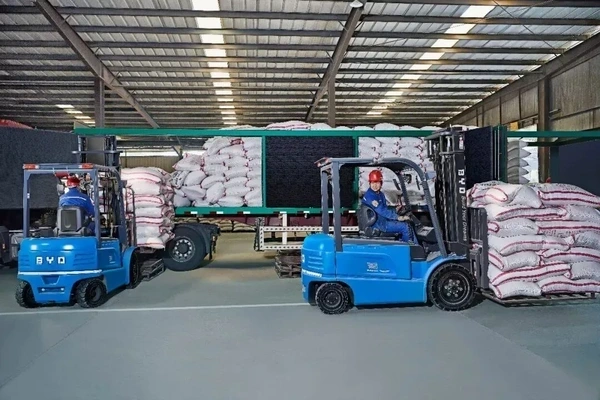
Don’t forget to include infrastructure costs such as new chargers, electrical upgrades and backup batteries when calculating total ownership cost. In multi-shift operations, lithium-ion batteries often deliver lower total cost over the unit’s lifespan despite higher upfront investment.
Frequently Asked Questions
Can electric forklifts work in cold storage environments?
Some specialized electric forklift models come with cold-rated battery and component packages that support consistent operation in temperatures below freezing. Standard electric batteries lose capacity quickly in cold conditions, so always confirm your selected unit includes cold-specific components if you operate inside cold storage facilities.
What is the typical lifespan of an electric forklift?
Lifespan depends on use frequency, maintenance habits and operating environment. Well-maintained electric forklifts used in light-to-medium indoor operations can last 10+ years. Heavy multi-shift use typically reduces usable lifespan to 5-7 years, with battery replacement required mid-life for lead-acid models.
Do electric forklifts require more regular maintenance than internal combustion models?
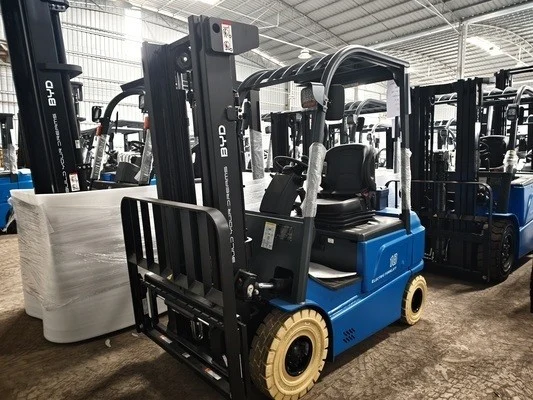
No, electric forklifts require far less routine maintenance. They have no engine oil, filters, spark plugs or fuel systems that need regular service. Most routine maintenance focuses on battery care and brake inspections, which reduces total annual maintenance cost significantly.
Are electric forklifts safer than internal combustion models?
Electric forklifts produce zero exhaust emissions, which makes them much better suited to indoor operation where ventilation remains limited. They also operate at lower noise levels, which reduces workplace hearing fatigue. Safety ultimately depends on operator training and proper unit selection, not just power source.
Final Actionable Selection Steps
Start your selection process by documenting all core operational requirements: work environment, maximum load, required lift height, shift schedule, and available facility space and electrical capacity. Test any candidate unit in your actual working environment to confirm maneuverability and performance match your needs before final purchase. Prioritize total cost of ownership over low upfront cost to avoid unexpected expenses across the unit’s working life. A well-selected electric forklift delivers years of reliable, low-cost operation aligned with your manufacturing or warehouse operational goals.