How Residual Capacity and Load Center Ratings Shape Electric Forklift Configuration Choices at Elevated Lift Heights
News 22/10/2026
Most four-wheel counterbalance electric forklifts list maximum base capacity on their spec sheets. This base capacity applies only when lifting loads to a low specified lift height, usually 1000mm or similar. As lift height increases, the forklift’s available lifting capacity drops. This remaining available capacity at any given elevated height is residual capacity. Understanding this relationship is critical when you finalize configuration choices matching your operational needs.
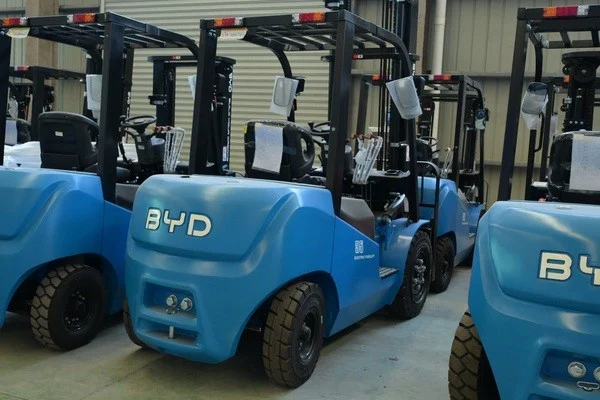
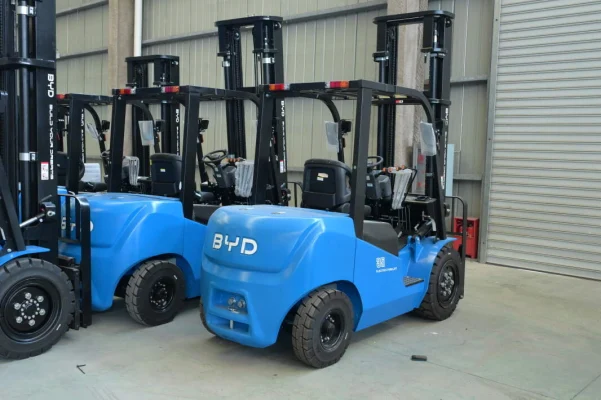
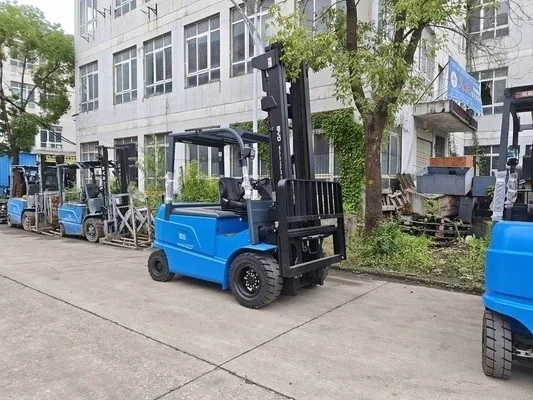
The shift in capacity happens because forklift stability changes as the mast extends forward and upward. The combined center of gravity from truck and load shifts closer to the front axle, so the truck can no longer safely lift the full base capacity. This relationship holds true across all designs of four-wheel counterbalance electric forklift, including BYD lithium battery powered models sold here. Picking a configuration without accounting for residual capacity leaves you unable to lift your target load to required heights, or creates unnecessary safety risks.
How Load Center Ratings Interact With Lift Height Changes
Load center rating marks the horizontal distance between the load’s vertical center and the front face of the fork carriage. Standard load center ratings for most four-wheel counterbalance electric forklifts sit at 500mm or 600mm, depending on base capacity. If your actual load center exceeds the rated value, residual capacity drops even faster as lift height increases. For?不对,改:If your actual load center exceeds the rated value, residual capacity drops even faster as lift height increases. A 2000kg base capacity forklift with 500mm rated load center will have much lower residual capacity at 5 meters when your load center hits 700mm.
Load Center Adjustment Calculation Basics
You can approximate adjusted capacity using this general rule: adjusted capacity = (rated load center / actual load center) × base capacity. This approximation works when you complete initial planning, but you should always confirm values with your equipment supplier before final purchase. Wider, longer loads push the load center further forward, so you need larger base capacity to hit your residual target at maximum lift height.
Key Configuration Adjustments Matching Operational Needs
When your required residual capacity at maximum lift height falls below what a base configuration delivers, you can adjust several core truck attributes to meet your needs:
- Increased base capacity rating: When you regularly lift longer loads to elevated heights, upgrading your base capacity one or two ratings maintains sufficient residual capacity matching your work needs. The main tradeoff here comes from larger overall truck dimensions, which require wider operating aisles on your work site.
- Mast configuration changes: Two-stage masts offer higher residual capacity than three-stage full free lift masts at equal lift heights, because the mast structure adds less forward weight shift as it extends. Three-stage masts work better when you need lower collapsed height for container or low ceiling access, so you must balance residual capacity against access needs.
- Counterweight adjustments: Some manufacturers allow increased counterweight to improve residual capacity at higher lift heights, but this adds overall truck weight and may require stronger floor surfaces to support daily operation. This adjustment rarely adds enough capacity to offset a dramatically larger load center, so it works best for small adjustments.
Across BYD four-wheel counterbalance electric forklifts, available configurations align with common industrial load and lift height requirements. Share your specific load dimensions, maximum lift height and work site conditions with our team to get matched configuration options.
Common Misconceptions About Capacity Ratings
Many fleet managers and new purchasers hold incorrect assumptions about capacity ratings that lead to bad configuration choices. Three of the most widespread mistakes include:
- Base capacity equals usable capacity at any lift height: This mistake leads many operations to purchase undersized equipment that cannot handle daily tasks. All manufacturers list base capacity at low lift heights, so you must always check residual values at your maximum working height.
- Load center ratings only matter when handling very large loads: Even smaller loads with extended dimensions can push the actual load center beyond the rated value, cutting residual capacity unexpectedly. Always measure your most common load’s load center before finalizing your configuration.
- All electric forklift models use identical capacity calculation rules: While core stability principles stay the same, exact residual capacity values vary by manufacturer and mast design. Always check the specific manufacturer spec sheet your supplier provides.
Lithium battery models change overall weight distribution compared to lead acid alternatives, but core relationships between residual capacity, load center and lift height remain consistent. BYD lithium-powered models include all capacity calculations aligned with industry standard stability rules.
Frequently Asked Questions
Does residual capacity change with different battery types?
Core capacity calculation rules stay the same across lead acid and lithium battery powered four-wheel counterbalance electric forklifts. Battery weight changes the overall truck counterbalance, so manufacturers adjust base capacity ratings to reflect this difference. All published residual capacity specs from reputable manufacturers already account for the installed battery type.
Can I modify my existing forklift to increase residual capacity?
Most aftermarket modifications change the truck’s stability and safety characteristics, so we do not recommend altering your existing unit outside manufacturer approved changes. If your current truck lacks sufficient residual capacity, upgrade to a correctly configured model that matches your new requirements.
Where do I find residual capacity values my specific configuration?
Manufacturers include residual capacity charts within official spec sheets for all new forklifts. If you cannot locate this information for your desired four-wheel counterbalance electric forklift, reach out to your sales partner to request official published values.
When you plan your next electric forklift purchase, confirm your required residual capacity at maximum working height first, then match load center requirements to your most common load dimensions. This process eliminates costly mismatches and ensures safe, productive operation. Contact our team today to discuss your requirements and explore BYD lithium-powered four-wheel counterbalance electric forklift configurations.