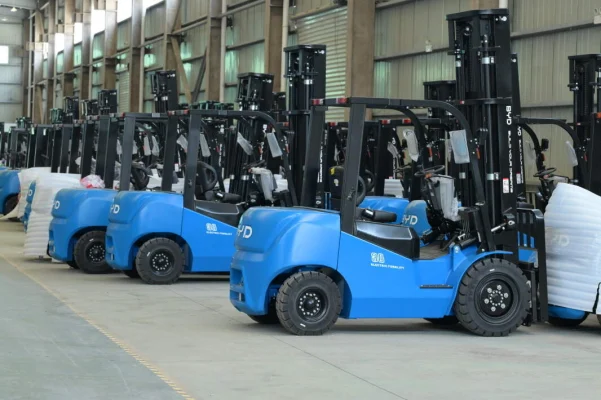
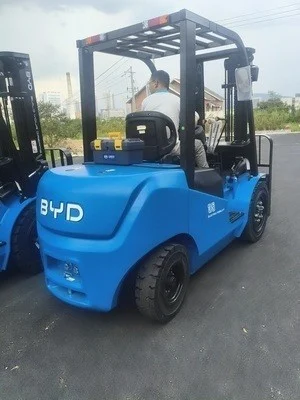
Cold Storage Warehouse Environments: Critical Selection Criteria Guiding Electric Forklift Purchasing
News 10/10/2026
Cold storage warehouses operate under extreme temperature conditions that place unique demands on material handling equipment. Standard electric forklift designs often fail prematurely when exposed to consistent sub-zero temperatures, leading to increased downtime, higher maintenance costs, and avoidable safety risks. This guide breaks down critical selection criteria teams use to evaluate electric forklift options cold storage settings, comparing core design features and performance tradeoffs to support informed purchasing decisions.
Core Temperature Constraints Impacting Electric Forklift Performance
Battery Performance In Sub-Zero Conditions
Most standard lead-acid batteries lose significant capacity when temperatures drop below freezing. Capacity drops can reach 50% or more when operating environments stay below -10°F (-23°C), leaving forklifts unable to complete full shifts without frequent recharging. Lithium-ion batteries offer better cold tolerance, but not all lithium-ion designs are engineered for consistent sub-zero operation. Low temperatures slow chemical reactions inside battery cells, reducing output and increasing risk of permanent cell damage if charging occurs below recommended temperature thresholds.
Selection teams must prioritize batteries built with cold-resistant chemistry and integrated battery heating systems. These systems maintain optimal cell temperature during operation and charging, preserving capacity and extending overall battery service life. Many designs also include temperature sensors that prevent charging until cells reach safe operating temperatures, avoiding irreversible damage.
Hydraulic System And Lubrication Requirements
Standard lubricants thicken in cold temperatures, increasing friction across moving parts like lift chains, hydraulic cylinders, and mast rails. Thickened lubrication slows mast movement, reduces lifting speed, and increases wear on core components over time. Cold storage rated electric forklifts use specialized low-viscosity lubricants formulated to maintain consistent flow even at extremely low temperatures.
Some designs also include heated hydraulic reservoirs to keep fluid within optimal temperature ranges during extended operation. This feature adds upfront cost, but it reduces ongoing maintenance needs and prevents unexpected breakdowns during peak operating hours.
Key Design Features To Prioritize During Selection
Enclosed Motor And Electronic Components
Cold storage environments often have high humidity levels, which lead condensation forming on unprotected electrical components. Condensation causes short circuits, corrosion, and premature failure of motors, controllers, and sensors. Cold storage rated electric forklifts come with fully enclosed, IP-rated electronic components that block moisture and prevent condensation-related damage.
Enclosure ratings of IP54 or higher provide adequate protection most cold storage operations. Facilities operating below -20°F (-29°C) or with high levels of air moisture should consider higher IP ratings to ensure long-term component reliability.
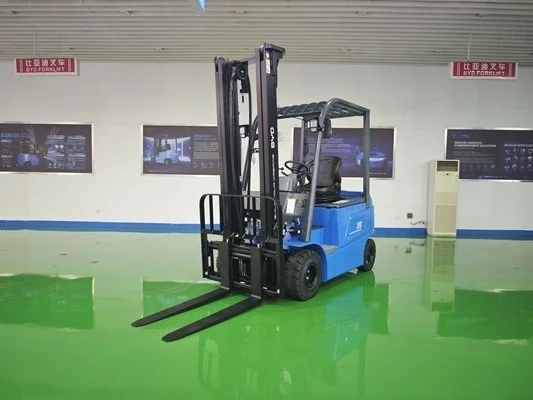
Tire Selection Cold Storage Applications
Tire choice directly impacts traction, wear, and safety on cold storage floors. Cold concrete floors often have residual ice or moisture, creating slip risks for standard cushion tires. Solid pneumatic tires offer better traction on slippery cold floors, while non-marking compounds prevent stains on clean warehouse surfaces.
Some operations use cushion tires for indoor-only cold storage, but these tires harden in sub-zero temperatures, reducing traction and increasing ride stiffness. Solid pneumatic tires maintain flexibility in cold conditions, delivering more consistent performance across extended operation.
Operator Comfort And Safety Features
Operators working extended shifts cold storage face cold exposure risks that impact focus and productivity. Enclosed operator cabs with integrated heating keep operators comfortable during long shifts, reducing fatigue and improving overall worksite safety. Even partial cab enclosures with windshields block cold air circulation, making a noticeable difference in operator comfort during multi-hour shifts.
Additional safety features include non-slip floor mats, heated handle grips, and improved visibility mast designs that help operators navigate narrow cold storage aisles safely. These features also reduce turnover rate among material handling staff, lowering long-term operational costs.
Comparison: Lead-Acid Vs Lithium-Ion Electric Forklifts Cold Storage
This section compares two common battery technologies matching cold storage operational needs:
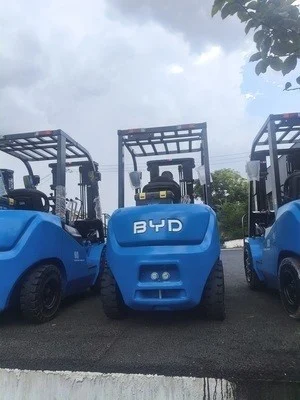
Lead-Acid Batteries: Lower upfront cost, require regular maintenance including watering and equalization charging. Most standard lead-acid designs lose 30-40% capacity at 32°F (0°C), with larger drops at lower temperatures. Cold-rated lead-acid batteries with heating systems improve performance, but still deliver lower overall capacity compared to lithium-ion options. They require dedicated charging space with temperature control, since charging cold lead-acid batteries causes irreversible damage.
Lithium-Ion Batteries: Higher upfront cost, require almost no regular maintenance. Cold-rated lithium-ion designs maintain 80-90% capacity at 32°F (0°C), and still deliver usable capacity down to -20°F (-29°C) with integrated heating systems. They support opportunity charging during break periods, eliminating need for multiple battery packs for multi-shift operations. Lithium-ion batteries also have longer overall service life in cold environments, offsetting higher initial cost over time.
Selection Limitations And Hidden Costs
Many teams overlook hidden costs associated with improper electric forklift selection cold storage. Common issues include:
- Premature component replacement: Unrated forklifts often require motor or controller replacement within 1-2 years, compared to 5-7 year service life of properly rated units.
- Increased downtime: Unexpected breakdowns disrupt cold storage operations, where temperature-sensitive inventory requires constant movement to maintain quality.
- Higher maintenance labor: Frequent repairs increase labor costs, and technicians often need to work in uncomfortable cold conditions leading higher service fees.
Facilities with multiple temperature zones, including ambient temperature areas at loading docks, need forklifts rated to the lowest temperature they will encounter during regular operation. A forklift rated to 0°F (-18°C) will suffer damage if it regularly enters -10°F (-23°C) freezer sections, even for short trips.
Frequently Asked Questions
Can standard electric forklifts work in temporary cold storage environments?
Standard electric forklifts can operate short periods in above-freezing cold storage, but they will experience accelerated wear and reduced battery life. Consistent exposure to any sub-zero temperature will cause premature component failure, leading higher long-term costs compared to investing in properly rated equipment.
What temperature rating suits my cold storage electric forklift?
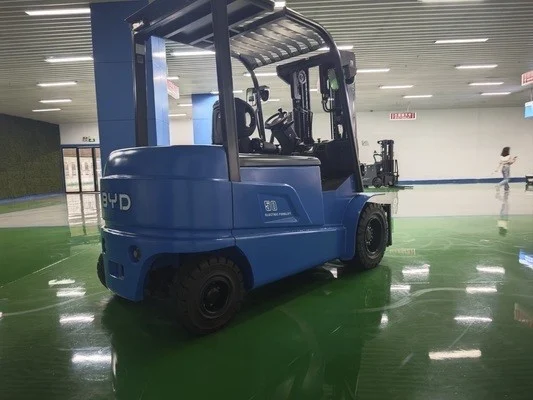
Rating must match the lowest consistent temperature your warehouse maintains. Cold storage warehouses holding frozen inventory typically maintain temperatures between -10°F and 0°F, requiring forklifts rated down to at least -20°F to ensure reliable performance. Refrigerated warehouses holding produce above freezing can use units rated down to 32°F.
Do cold storage electric forklifts need special charging infrastructure?
Most cold-rated electric forklifts require charging to occur in temperature-controlled spaces, or include on-board systems that warm batteries before charging starts. Charging cold batteries causes internal damage that shortens service life, so infrastructure must include temperature controls or battery heating capabilities to prevent this issue.
Are electric forklifts superior to internal combustion options cold storage environments?
Electric forklifts produce no exhaust emissions, making them safe in enclosed cold storage spaces. Internal combustion engines emit carbon monoxide and other fumes that build up in enclosed areas, creating serious health risks. Electric options also require less maintenance in cold environments compared to internal combustion units.
Actionable Conclusion Your Purchasing Process
Purchasing electric forklift cold storage requires prioritizing cold-rated components over upfront cost savings. Start by documenting the lowest consistent temperature your operation maintains, then filter options that meet or exceed that rating. Compare battery technologies based on your shift schedule and maintenance capacity: lithium-ion works best for multi-shift operations with limited maintenance staff, while cold-rated lead-acid offers lower upfront cost for single-shift facilities. Always verify component enclosure ratings and lubricant specifications before finalizing purchase, and account for hidden costs of premature failure when comparing total cost ownership across different options.