Cold Store Forklift: Key Specs and Safety Considerations Subzero Storage Operations
News 16/10/2026
Cold store forklifts handle material movement in subzero storage environments, where standard equipment fails quickly due to extreme temperature stress. Choosing the right equipment and following proper safety rules prevents breakdowns, reduces safety risks, and keeps operations running smoothly. This guide covers key specifications, operational challenges, safety requirements, and selection guidance anyone involved in subzero storage operations needs.
Core Specifications Cold Store Forklifts Need
Every component a cold store forklift uses must resist extreme cold to maintain consistent function. Even small, unrated parts can crack or fail within weeks of continuous use in subzero conditions.
Hydraulic System and Seals
Hydraulic systems power lifting and steering. Standard hydraulic fluid thickens at low temperatures, slowing response and increasing strain on pumps. Seals made from standard rubber harden and crack, leading to leaks and system failure. Purpose-built cold store forklifts use low-temperature hydraulic fluid and synthetic rubber seals engineered to stay flexible even at very low temperatures.
Battery Systems
Battery performance drops sharply as temperatures fall. Lead-acid batteries can lose over a third of their capacity below freezing, requiring frequent recharging that disrupts operations. Lithium-ion batteries maintain more consistent capacity in subzero conditions, and handle faster charging to support longer run times. One example: operations that run multiple shifts daily often prioritize lithium-ion options to avoid unplanned downtime.
Tire and Frame Component Materials
Standard tire rubber hardens in cold, reducing traction and increasing wear. Cold also causes metal components to contract slightly, which can loosen bolts and change clearance between moving parts. Most cold store forklifts use specialized low-temperature rubber tires and reinforced metal frames designed to accommodate thermal contraction without damage.
Common Operational Challenges Subzero Storage Creates
Even properly equipped cold store forklifts face unique challenges that don’t impact equipment used in room-temperature warehouses. Understanding these challenges helps teams plan operations and avoid preventable issues.
- Reduced battery life: All battery types lose capacity in cold, so run times fall short of manufacturer ratings measured at room temperature. Teams must account for this when planning shift schedules and charging rotations.
- Fogged or iced cabin surfaces: Large temperature differences between inside the cabin and outside storage space cause condensation that freezes or fogs glass. This blocks operator visibility and increases collision risk.
- Iced operating surfaces: Cold store floors often develop thin layers of ice or frost, which reduces tire traction and increases stopping distance. Operators must adjust their driving habits to account for this reduced grip.
- Operator fatigue: Extended exposure to cold temperatures increases physical fatigue, even with proper protective gear. This reduces reaction time and increases safety risks over long shifts.
Many operations address these challenges with adjusted work schedules that let operators take regular breaks in warm areas, and add anti-fog treatments to cabin windows to maintain consistent visibility.
Critical Safety Protocols Daily Operations
Safety risks in cold store operations extend beyond equipment failure. Teams must implement clear protocols to protect both operators and surrounding staff.
First, all operators must wear proper cold-protective gear, including insulated gloves, boots, and outer layers. Even short exposure to temperatures below -20°C can cause frostbite, so gear must fit properly and stay dry throughout shifts.
Second, pre-shift inspections become even more important in cold store operations. Before each shift, operators must check:
- Hydraulic system leaks and seal condition
- Battery charge level and terminal connections
- Brake function and steering response
- Cabin window clarity and defrost function
- Tire traction and wear
Third, set and enforce lower speed limits inside cold storage areas. Iced floors and reduced visibility mean longer stopping times, so lower speeds reduce collision risk with racking, other equipment, and staff.
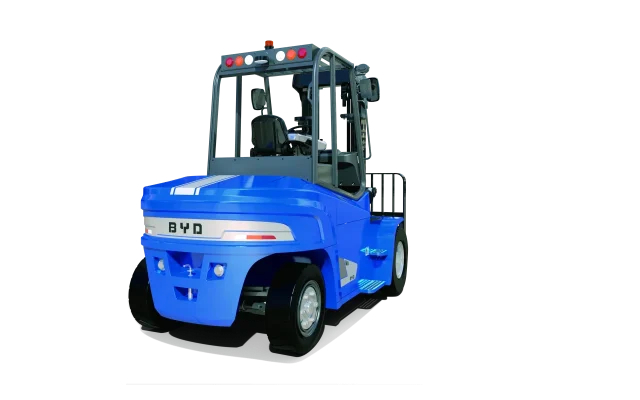
Finally, schedule more frequent maintenance than you would schedule standard room-temperature forklifts. Extreme cold accelerates wear on all components, so regular inspections catch small issues before they turn into costly breakdowns or safety hazards.
How To Choose The Right Cold Store Forklift Your Site
Selection depends on three core factors unique to each operation. Assess these factors before you compare options to narrow down choices that fit your needs.
Operating Temperature Range
The lowest consistent temperature your facility maintains determines what upgrades you need. Facilities that stay between 0°C and -18°C can work with basic cold-rated forklifts. Facilities that stay below -20°C need additional upgrades, like heated operator cabins and extra low-temperature hydraulic fluid.
Daily Usage Intensity
Operations that use forklifts 24/7 across multiple shifts need higher capacity batteries and more durable seals. Light use, under four hours daily, can work with more basic configurations that fit tighter budgets.
Facility Layout
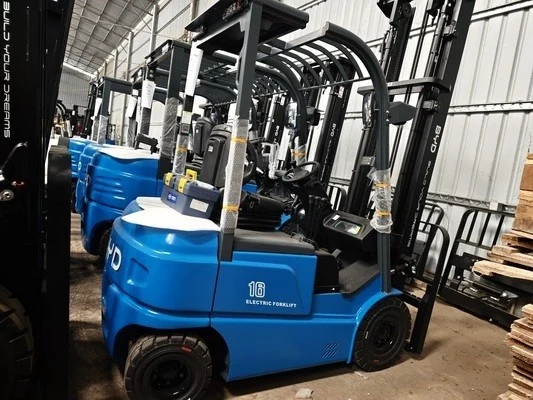
Your aisle width and racking height determine what forklift type works best. Narrow aisles need reach trucks designed for… no, wait, Narrow aisles need reach trucks engineered cold storage, while wider aisles can accommodate standard counterbalance models. Match lift capacity to your heaviest load, just as you would any other forklift.
Frequently Asked Questions
Can standard forklifts operate inside cold storage facilities?
Standard forklifts lack temperature-resistant seals, lubricants and battery management systems subzero conditions require. Continuous use in cold environments will quickly damage unrated components, leading to unexpected breakdowns and serious safety hazards. Even occasional use can cause permanent damage that shortens equipment life dramatically.
What temperature ranges require purpose-built cold store forklifts?
Most operations that stay consistently below 0°C (32°F) need purpose-built equipment. Operations that stay consistently below -18°C (0°F) require additional upgrades beyond basic cold-rated components to maintain reliable function.
Do cold store forklifts need heated cabins?
Shorter shifts or higher cold storage temperatures only need good protective gear, which provides enough protection without the added cost of a heated cabin. Extended shifts in temperatures below -18°C benefit from heated cabins to reduce operator fatigue and improve safety. Individual operator needs also influence this decision.
Choosing the right cold store forklift and following consistent safety and maintenance routines keeps operations reliable and protects your team. Always confirm equipment ratings match your facility’s lowest operating temperature before you make any purchasing decisions.