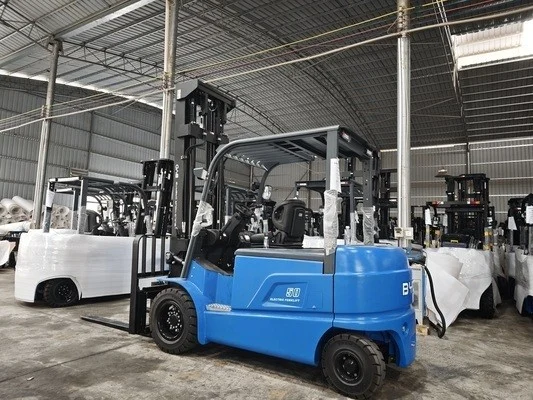
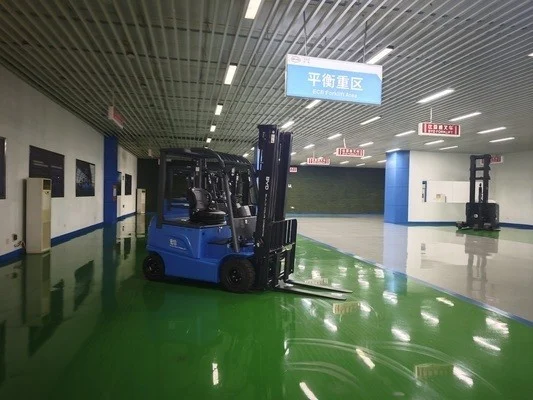
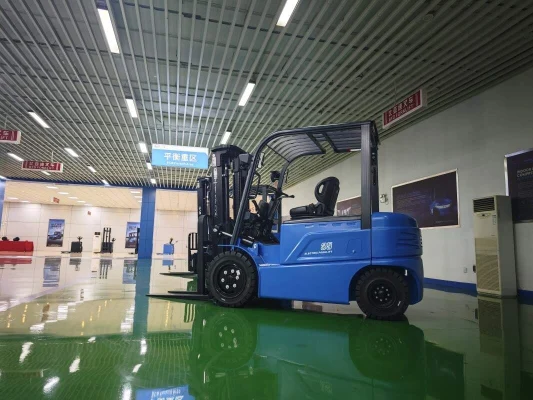
Understanding BYD electric forklift total cost of ownership across multi-shift industrial operations
News 11/10/2026
Core Cost Components Beyond Initial Purchase
Total cost of ownership (TCO) accounts for far more than an equipment’s upfront purchase price. It includes ongoing energy costs, maintenance expenses, battery lifespan, downtime-related losses and end-of-life residual value. BYD electric forklifts rely on lithium iron phosphate (LFP) battery technology, which differs dramatically from traditional lead-acid battery designs common material handling equipment.
LFP batteries deliver much longer cycle life than lead-acid alternatives, and they eliminate need for regular water top-ups required many older battery models. Most BYD electric forklift designs include regenerative braking systems that capture energy during load lowering, which cuts overall energy use per operating hour. Maintenance costs stay lower than internal combustion forklifts because electric designs have far fewer moving parts. No oil changes, filter replacements or engine tune-ups add recurring annual expenses. Downtime costs make up a large share TCO in multi-shift operations, and BYD’s integrated battery design removes need for frequent battery swaps, cutting time spent on battery handling tasks.
How Multi-Shift Operations Impact TCO
Multi-shift industrial operations push equipment to much higher annual utilization rates than single-shift work. Higher utilization amplifies small per-hour cost differences into large annual gaps between competing equipment options. Higher utilization means any design that cuts per-hour maintenance or energy costs delivers greater overall savings across the equipment’s service life.
Lead-acid batteries typically need replacement after 1,000 to 2,000 full charge cycles in multi-shift use, which translates to new battery purchases every 2 to 3 years. BYD LFP batteries generally offer 4,000 to 6,000 full charge cycles before capacity drops to 80% of original levels. This extends battery replacement intervals to 5 to 10 years even with daily multi-shift use. Extended battery life eliminates repeated large capital outlays for?不对哦,改,This extends battery replacement intervals to 5 to 10 years even with daily multi-shift use. Extended battery life eliminates repeated large capital outlays tied to battery replacement, which directly lowers long-term TCO.
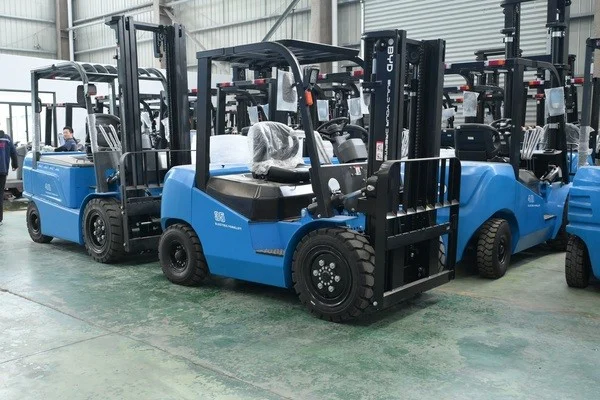
Another key advantage: opportunity charging allows operators top up battery power during break periods, no need spare batteries or extra infrastructure to support multiple shifts. This reduces upfront infrastructure costs compared setups requiring multiple lead-acid batteries and dedicated swap stations.
Practical Selection Guidance
When evaluating BYD electric forklift options for?不对,改,When evaluating BYD electric forklift options in multi-shift operations, consider several key factors before final purchase. First, match lift capacity and wheelbase to your facility’s typical load sizes and aisle widths. Undersized equipment accelerates wear and increases downtime risk, while oversized equipment wastes energy and takes unnecessary extra space.
Second, assess your facility’s existing charging infrastructure. BYD forklifts work with standard high-power charging stations, but confirm voltage and amperage match on-site capabilities before completing purchase. Third, calculate your annual operating hours. Multi-shift operations with over 3,000 annual operating hours see much faster TCO benefits from BYD’s longer battery life than low-utilization single-shift sites.
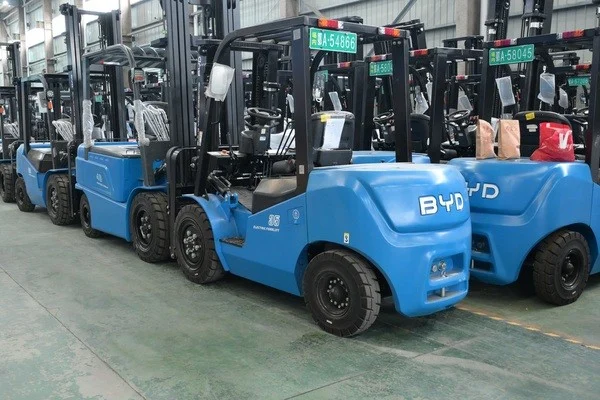
Critical limitations also exist: BYD electric forklifts often carry higher upfront purchase prices than comparable lead-acid electric or internal combustion models. Upfront cost gaps mean payback periods typically range 2 to 5 years, depending on site utilization rates. Cold storage operations operating below -10°C may reduce battery range and overall lifespan, so check manufacturer specifications aligned with your operating environment before committing to purchase. Overall, BYD electric forklift deliver clear TCO benefits most high-utilization multi-shift industrial operations. The biggest gains come from extended battery life, lower maintenance needs and reduced downtime tied to the integrated LFP battery design. Decision makers should calculate TCO based on their specific operating hours, local energy costs and facility constraints before making final purchase decisions.
Frequently Asked Questions
Do BYD electric forklift deliver lower TCO than internal combustion forklifts in multi-shift operations?
Most multi-shift sites see lower long-term TCO with BYD electric models, but outcomes depend on local fuel and electricity costs, annual utilization, and operating environment. Higher upfront costs offset over time through lower fuel and maintenance expenses.
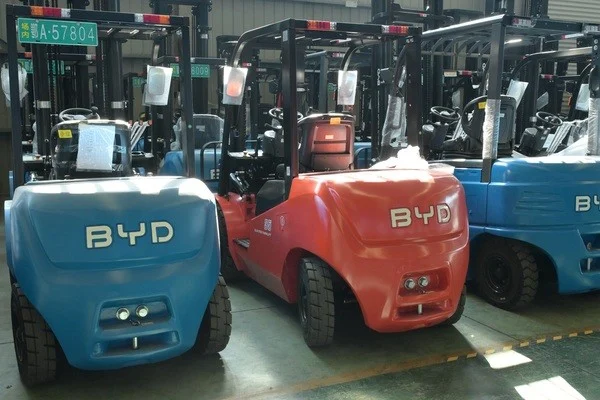
Does opportunity charging affect battery life in BYD electric forklift?
BYD’s LFP battery chemistry supports frequent opportunity charging without significant premature degradation, unlike older lead-acid battery designs. This aligns well with multi-shift operations that need consistent continuous equipment availability.
What end-of-life value comes with BYD electric forklift batteries?
LFP batteries from BYD work with established global recycling pathways, and many recycling providers offer credit toward new battery purchases. This adds small but measurable end-of-life value that reduces overall ownership cost.