Common 2.5 Ton Electric Forklift Selection Mistakes That Compromise Warehouse Productivity
News 08/10/2026
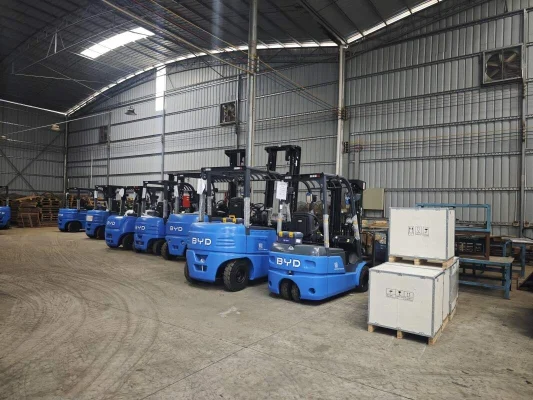
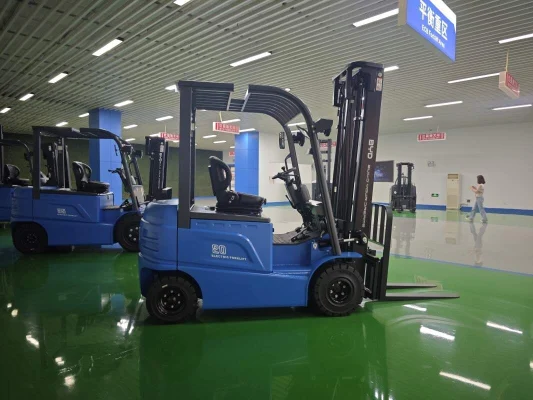
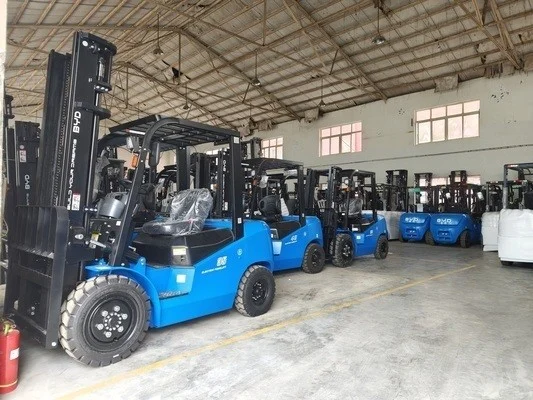
2.5 ton electric forklifts rank as top options serving mid-sized warehouse operations, balancing lifting power, energy efficiency and maneuverability. But incorrect selection cuts long-term productivity, increases operating costs and creates unnecessary safety risks. Many operations focus solely on load capacity when making purchasing or rental decisions, ignoring other critical factors that impact daily work output. Below we break down the most common selection mistakes and actionable steps avoid these costly errors.
Ignoring Mast Height And Overhead Clearance Limits
One of the most widespread selection mistakes centers on overlooking warehouse overhead clearance when specifying mast height. Teams confirm 2.5 ton lifting capacity matches their needs, but fail to measure the maximum clearance of their warehouse racking and ceiling before placing an order.
Hypothetical Application Example
A grocery distribution center expanding racking to add storage levels ordered 10 standard 2.5 ton electric forklifts with 15 foot extended masts. Their new overhead clearance at the top rack level measured 14 foot 8 inches. The extended mast could not fully lower when retrieving top stock, forcing operators to work at slower speeds and avoid full utilization of new storage space. The entire fleet required mast modifications at a cost of several thousand dollars per unit, with two weeks of unplanned downtime during modification.
Selection Tip: Always measure your maximum available overhead clearance before choosing mast height. Add a 3-6 inch safety buffer to account for uneven flooring and mast extension tolerances. If your operation requires higher lifting, confirm clearance before finalizing your order.
Underestimating Battery Capacity And Charging Infrastructure Needs
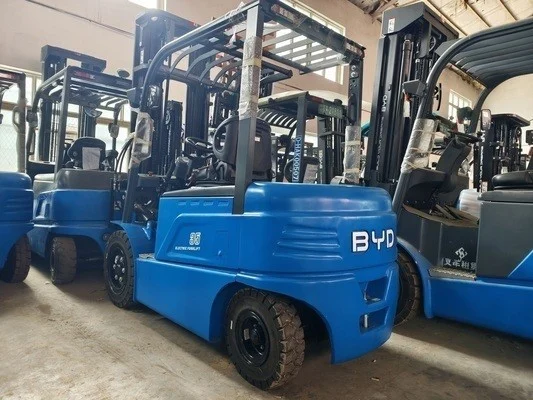
Battery performance directly impacts daily run time and overall productivity. Many selection teams pick the cheapest standard battery option included with a 2.5 ton electric forklift, without calculating total daily energy use their operation requires.
Multi-shift operations face the biggest risk here. A standard lead-acid battery typically provides enough power one full 8-hour shift. Continuous operation across two or three shifts requires extra batteries or fast-charging lithium-ion systems, plus dedicated space to charge and swap units. Without this infrastructure, operators face mid-shift battery drain and hours of downtime waiting to charge.
Selection Tip: Calculate your total average daily run time per unit, then add a 15% capacity buffer to account for extra travel across large warehouse spaces. Confirm your facility has enough space for charging stations that match your chosen battery type. Lithium-ion batteries carry higher upfront costs, but eliminate need for battery swapping and reduce downtime multi-shift operations.
Mismatching Tire Type To Your Warehouse Flooring
Tire type selection rarely gets attention during purchasing, but incorrect matching directly impacts traction, speed, battery life and productivity. Most suppliers include a standard tire option, but that standard may not work your facility’s specific flooring and operation layout.
Key Matching Guidelines
Solid cushion tires work best on smooth indoor concrete. They deliver low rolling resistance that extends battery life and increases travel speed. But if your operators regularly drive across uneven loading docks, gravel aprons or outdoor areas, solid tires increase risk of slipping and punctures, leading to unexpected downtime. Pneumatic tires deliver better traction on uneven surfaces, but they increase rolling resistance on smooth indoor flooring, cutting battery life and slowing daily operation.
Selection Tip: Map all areas your 2.5 ton electric forklift will travel, including any semi-outdoor space, before choosing tires. Share this information with your supplier to confirm tire type matches your use case.
Overlooking Load Center Distance Requirements
All 2.5 ton electric forklift capacity ratings rely on a specific load center distance, most commonly 500mm (approximately 20 inches) on standard counterbalance models. If your typical loads have a longer load center, the actual safe lifting capacity drops well below 2.5 tons.
This mistake occurs when operations handle oversized pallets, stacked loads or bulky cargo. One example: A 48×48 inch pallet stacked to 4 feet height has a load center closer to 24 inches (600mm). At this distance, a 2.5 ton rated forklift often has an actual capacity of just 1.8-2 tons. Operators must move loads slower, make multiple trips to split heavy loads, or risk motor strain and safety hazards that slow all warehouse processes.
Selection Tip: Calculate the load center of your most common heavy loads before selecting your forklift. Share this measurement with your supplier to confirm the model you choose delivers full 2.5 ton capacity at your specific load center.
Frequently Asked Questions
Can a 2.5 ton electric forklift handle 2.5 ton loads consistently?
Only when the load center matches the manufacturer’s rated specification. Most models rate 2.5 ton capacity at 500mm load center. Larger loads shift the center of gravity forward, reducing effective maximum capacity. Always check the printed capacity plate on any model before finalizing your selection.
Do all 2.5 ton electric forklift models fit standard warehouse aisles?
No. Standard counterbalance 2.5 ton models generally require 12 or more feet of aisle width to turn safely. Narrow aisle operations need specifically designed stand-up or reach models built to maneuver in 8-10 foot aisles. Aisle width mismatch forces operators to use slow, awkward maneuvering that cuts overall daily output and increases risk of rack or load damage.
How does service access impact long-term productivity?
Unplanned downtime from breakdowns causes major productivity loss. Models with rare proprietary components require long wait times to get replacement parts, extending outages. Prioritize models with widely available replacement parts supported by your local service network. This cuts wait times and keeps your fleet operational.
Final Selection Takeaways
Avoiding these common mistakes ensures your 2.5 ton electric forklift supports consistent warehouse productivity, rather than creating unnecessary costs and delays. Always evaluate your operation’s unique requirements beyond basic load capacity, including clearance, battery needs, tire matching and load center dimensions. Work with your supplier to confirm all specifications align with your daily operation before completing your purchase or rental agreement.