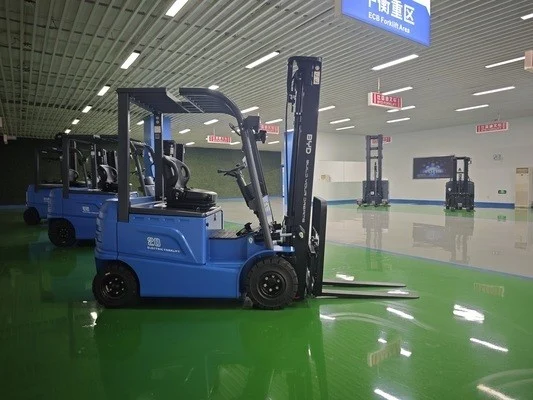
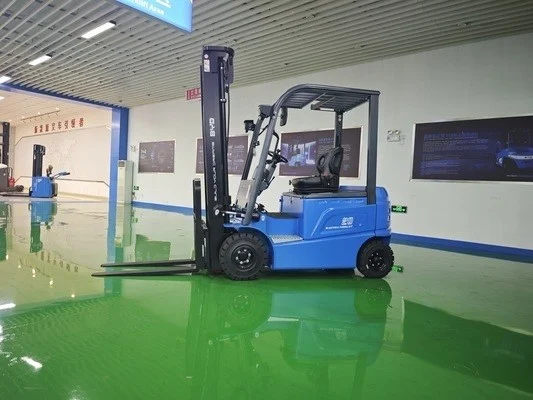
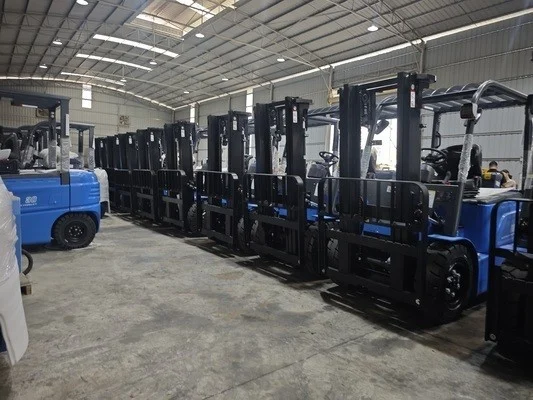
How Tire Selection Impacts 2.5 Ton Electric Forklift Stability and Operational Safety
News 10/10/2026
2.5 ton electric forklifts rank among the most widely used units in warehouses, manufacturing yards, and retail distribution centers. Tire choice directly alters how these units handle loads, respond to uneven ground, and maintain balance during operation. Even small changes to tire type, pressure, or tread can create meaningful shifts in safety outcomes and equipment lifespan.
Core Stability Factors Tied To Tire Selection
Stability forms the foundation of safe forklift operation, especially when lifting loads near the 2.5 ton maximum capacity. Tire selection impacts three key stability areas:
Center Of Gravity
Tire size and type change the forklift’s overall ride height, which shifts the combined center of gravity of the unit and its load. Low-profile solid tires lower overall center of gravity, improving lateral stability during cornering or load handling. Pneumatic tires, by contrast, raise ride height, which can increase tilt risk on uneven surfaces when carrying full capacity loads.
Traction And Surface Grip
Slick or worn tires reduce grip on wet, dusty, or sloped surfaces. This can lead to unintended sliding during braking or load placement, increasing risk of tip-overs or load drops. Tread design specific to your operating surface maintains consistent traction, even under full 2.5 ton loads.
Load Distribution Across The Frame
Overinflated or underinflated tires create uneven weight distribution across the forklift frame. This uneven distribution amplifies stress on one side of the unit, leading to gradual shifts in balance and increased risk of stability loss over time.
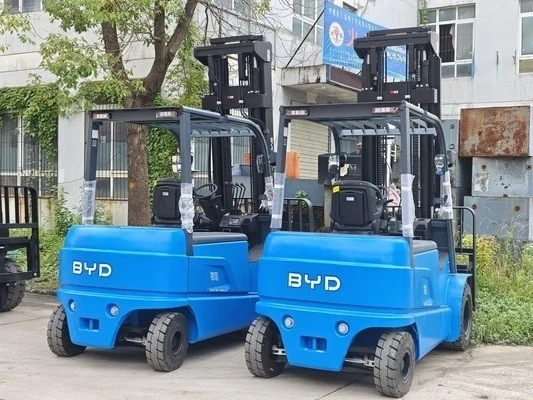
Tire Selection Guidance On Common Operating Environments
Different work environments demand different tire types to maintain safety and stability on 2.5 ton electric forklifts. Below is clear guidance aligned with common settings:
Cushion Solid Tires
These tires perform best on smooth, flat indoor surfaces like finished warehouse concrete. Their small overall diameter lowers the forklift’s center of gravity, boosting stability during frequent load lifting and lowering. They have minimal give, so operators maintain precise control during load placement. Limitations include poor performance on uneven or rough outdoor ground; they transmit more vibration to the operator, which can increase fatigue over long shifts.
Pneumatic Tires
Pneumatic (air-filled) tires absorb shock from uneven outdoor surfaces like gravel, asphalt, or unfinished construction yards. Their larger footprint spreads 2.5 ton loads more evenly across soft ground, reducing sinking and improving traction. Key limitations include higher ride height, which raises center of gravity and requires slower cornering speeds to maintain stability. They also face higher risk of punctures that can lead to sudden pressure loss and stability shifts.
Solid Pneumatic Tires
These solid rubber tires mimic the footprint and tread of pneumatic tires, without risk of air loss. They offer good shock absorption in outdoor use, and eliminate puncture-related pressure loss that causes stability issues. They are heavier than standard pneumatic tires, which adds slightly to the forklift’s overall weight and can reduce battery runtime on electric units, but maintain consistent center of gravity over their service life.
Key Maintenance Practices That Preserve Stability
Selection alone does not guarantee ongoing safety. Regular tire maintenance preserves stability over time:
- Inspect tire pressure daily on air-filled pneumatic units; even 10% pressure loss alters load distribution
- Replace any tire with tread wear below manufacturer recommendations, or visible cuts, bulges, or chunking
- Rotate and replace tires in sets when possible to maintain consistent ride height across all four corners of the forklift
- Check wheel mounting torque regularly to avoid loose tires that create balance shifts
Frequently Asked Questions
Can I mix different tire types on my 2.5 ton electric forklift?
No, mixing tire types creates inconsistent ride height across the frame, which shifts center of gravity and increases tip-over risk. Always replace all four tires at the same time when any tire reaches end of its service life, to maintain consistent balance.
Do tire choices impact load capacity of my 2.5 ton electric forklift?
Tire selection can alter effective safe load capacity. Certain tire types are rated to support the full 2.5 ton maximum capacity, while others may reduce safe maximum load depending on application. Always check the tire manufacturer rating against your forklift’s original equipment specifications before installation.
What tire type works best with mixed indoor and outdoor operation?
Solid pneumatic tires strike the best balance with mixed use. They offer enough shock absorption for occasional outdoor travel on uneven surfaces, maintain lower center of gravity than full pneumatic tires in indoor stability, and eliminate puncture risk common with air-filled tires.
How often should I check my 2.5 ton electric forklift tires?
Operators should complete a quick visual inspection of tires before each shift. A full detailed inspection by maintenance staff should occur every two weeks, or more often if the forklift operates in harsh environments with sharp debris or rough ground.
Conclusion
Tire selection plays a critical role in maintaining 2.5 ton electric forklift stability and overall operational safety. Matching tire type to your primary operating environment, following regular maintenance schedules, and avoiding common mistakes like mixing tire types reduces safety risk and extends service life of your equipment. Always align your tire choice with your forklift manufacturer’s specifications to ensure compatibility and safe operation.