Mapping What Types of Forklifts Are There To Common Warehouse Layouts And High Density Storage Configurations
News 16/10/2026
When you search what types of forklifts are there, you likely need clarity matching each option to your warehouse layout or high-density storage setup. This guide connects core lift categories to common facility designs, so you can narrow your options based on actual operational needs.
Core Forklift Categories Aligned With Warehouse Operations
Five common forklift categories appear in most warehouses. Each serves distinct operational needs:
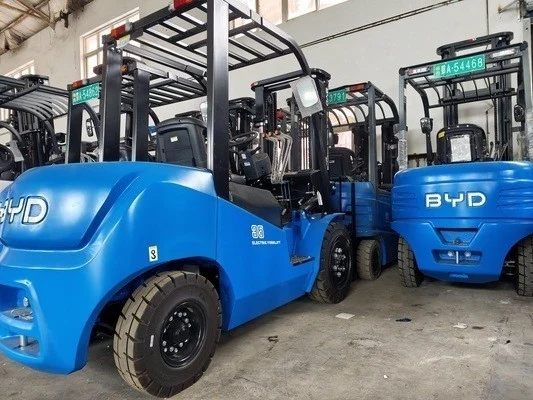
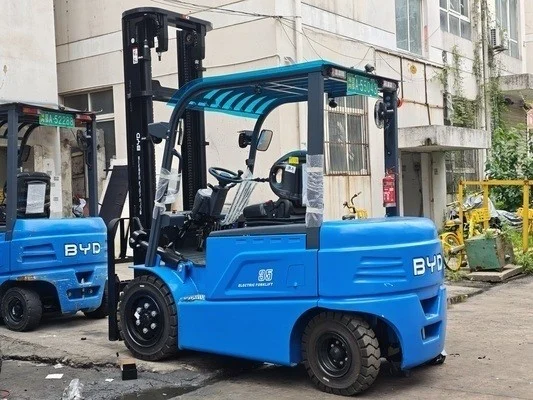
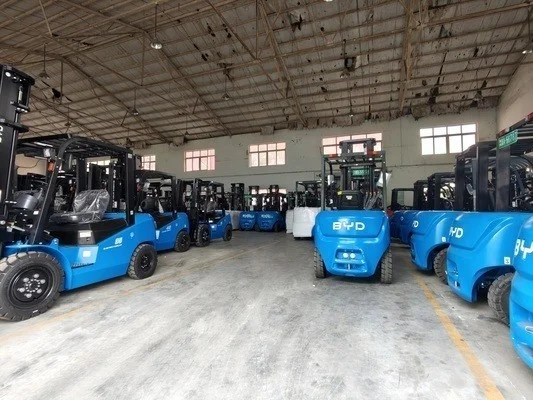
- Counterbalance forklifts: These classic designs place weight opposite the load mast to prevent tipping. They handle a wide range of load weights, work well in outdoor and indoor spaces, and do not require extended reach arms. They need wider turning space than specialized models.
- Reach trucks: These electric-powered lifts extend masts to access loads placed high in racking. They operate in tighter spaces than counterbalance models and suit most standard narrow aisle racking setups.
- Pallet jacks: Both manual and powered options move pallets short distances across warehouse floors. Powered units handle heavier loads and reduce operator strain, while manual models serve low-volume, small load tasks.
- Order pickers: These lifts raise operators alongside the load, so workers can pick individual items directly from racking. They support e-commerce and split-case picking operations.
- Turret trucks: These specialized lifts rotate masts side-to-side to access loads without turning the entire vehicle. They fit the tightest aisle spaces found in most high density storage setups.
Each category carries unique capacity and size constraints, so you must measure your facility before final selection.
Matching Lift Types To Common Warehouse Layouts
Different standard warehouse layouts demand different forklift capabilities:
Open Bulk Storage Layouts
Open bulk storage stacks pallets directly on the floor, with wide aisles between storage blocks. Counterbalance forklifts work perfectly here, as they can turn easily and handle varied load sizes. Powered pallet jacks also support horizontal transfer of pallets between bulk storage and loading docks.
Standard Aisle Rack Layouts
Most general warehouses use standard single-deep racking with aisles between 10 and 12 feet wide. Reach trucks fit this space well, offering higher lift capability than counterbalance models without requiring specialized modifications to your facility.
Pick Module Layouts
Multi-level pick modules built for e-commerce order fulfillment rely on order pickers, which let workers access individual items stored at different heights. Pallet jacks move full pallets into pick module restocking positions, while order pickers support daily picking tasks.
Fitting Forklifts To High Density Storage Configurations
High density storage reduces wasted aisle space to increase total storage capacity. Each configuration demands specific forklift capabilities:
| Storage Configuration | Recommended Forklift Type | Key Reason |
|---|---|---|
| Double Deep Racking | Reach trucks with extended reach capability | Access loads behind the front rack row without full vehicle turning |
| Drive-In Racking | Articulated counterbalance forklifts | Navigate narrow entry and turn within the rack structure |
| Very Narrow Aisle (VNA) Storage | Turret or swing mast trucks | Turn masts instead of the whole vehicle to access loads in aisles under 6 feet wide |
| Pallet Flow Racking | Reach trucks or turret trucks | Access front loading and unloading positions in tight aisles |
Most high density configurations require specialized lifts because standard models can not maneuver the tight spaces. You also need guidance rail systems installed on the floor to prevent accidental rack contact with VNA lifts.
Key Selection Limitations To Consider
Beyond layout and storage configuration, three critical limitations shape your final choice:
- Load weight capacity: Each forklift carries a maximum load rating. Heavier loads require heavier duty frames and more powerful engines, which increase overall vehicle size. Match your lift capacity to the heaviest load you regularly handle, but do not oversize beyond your aisle space allows.
- Ceiling and racking height: Different lifts offer different maximum lift heights. Reach trucks typically handle heights up to 30 feet, while turret trucks can reach heights above 40 feet. Measure your clear ceiling height above the top rack beam before selecting a lift, to avoid impact damage to your roof structure.
- Operator skill requirements: Standard counterbalance and pallet jacks need basic operator training. Specialized VNA and turret trucks need additional advanced training to ensure safe operation. Account for training time and certification costs before investing in specialized equipment.
You must also confirm your facility floor can support the total weight of the loaded lift, especially on upper levels of multi-story warehouses.
Frequently Asked Questions
Which forklift type suits most small warehouses?
Most small warehouses with standard wide aisles and bulk pallet storage get reliable performance from entry-level electric counterbalance forklifts or powered pallet jacks. These units fit existing aisles, require minimal additional operator training, and serve small operations well as a cost-effective option.
Can standard forklifts operate within high density storage setups?
Most standard counterbalance forklifts need wider turning radii than high density configurations allow. They can not maneuver between tightly spaced racks, so you need purpose-built narrow aisle lifts to avoid rack damage and maintain smooth operational flow.
Do internal combustion forklifts work within indoor spaces?
Internal combustion forklifts produce exhaust emissions that build up in enclosed spaces, so they rarely serve indoor applications. Electric forklifts produce zero emissions and operate at lower noise levels, making them the preferred choice enclosed warehouse facilities.
Always measure your layout and storage dimensions before purchasing or renting any forklift, to ensure the unit fits your space and meets your operational needs.