Common Misuses And Correct Application Of Different Forklifts Type In Industrial Operations
News 04/10/2026
Industrial operations rely on forklifts to move heavy cargo efficiently. Misusing different forklifts type leads to increased accident risks, equipment damage, and reduced operational productivity. This guide covers common misuses and outlines correct application practices across the most popular forklift categories.
Common Forklift Misuse Overview
Forklift misuse occurs any time operators use equipment outside manufacturer stated parameters. Most misuses stem from lack of training or incorrect equipment selection. Common misuses include exceeding weight limits, operating on unsuitable terrain, and using equipment to handle tasks it was never designed to support.
Common Misuses And Correct Applications By Forklift Type
Counterbalance Forklifts
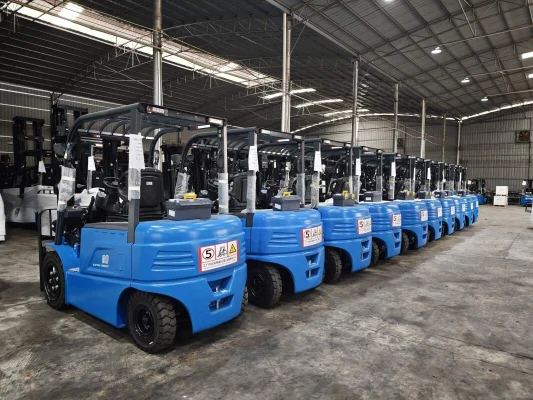
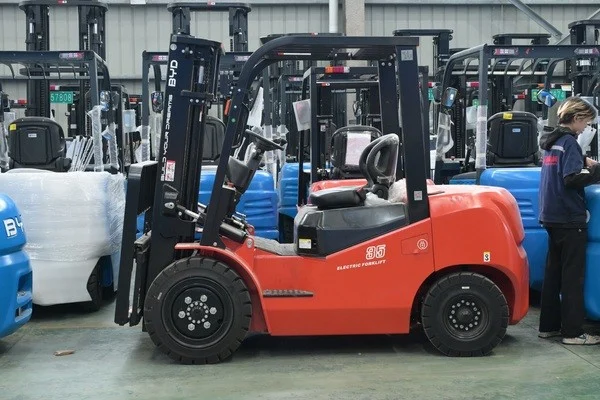
Counterbalance forklifts are the most widely used industrial forklift. Their design places a rear weight counterbalance to offset front cargo load.
Common misuses: Operating in narrow warehouse aisles, exceeding maximum stated lift capacity, operating on uneven ungraded outdoor terrain.
Correct application: Counterbalance forklifts work best in open storage yards, general warehouse work with wide aisles, and loading/unloading trucks and shipping containers. They handle solid, flat ground well and work with most standard pallet sizes.
Key limitations: They require a minimum turning radius larger than many modern warehouse aisles allow. Outfitted with standard tires, they lose traction on uneven soft ground.
Reach Forklifts
Reach forklifts feature extended mast design that lets forks reach into high racking.
Common misuses: Exceeding maximum load capacity at full lift height, operating on uneven outdoor ground, lifting unbalanced loads beyond design limits.
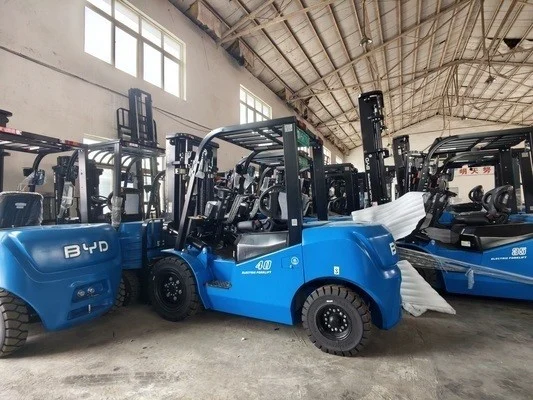
Correct application: Reach forklifts are built to support high-bay storage in narrow aisle warehouses. They let operations teams maximize vertical storage space without increasing facility footprint.
Key limitations: Their design prioritizes lift height over rough terrain capability, so they only work well on smooth finished indoor surfaces.
Walk-Behind Pallet Jacks
Pallet jacks are low-profile material handling tools used to move pallets short distances.
Common misuses: Carrying personnel on forks, exceeding weight limits, using on sloped ground beyond rated angles, attempting to lift loads higher than jack design allows.
Correct application: Pallet jacks handle short-distance horizontal movement of loaded pallets across flat warehouse floors. They are ideal for loading delivery trucks and moving cargo between staging areas.
Key limitations: They cannot lift loads more than a few inches off ground, so they never suit tasks requiring elevated storage or access.
Rough Terrain Forklifts
Rough terrain forklifts feature large, traction-focused tires and high ground clearance built to handle uneven outdoor ground.
Common misuses: Long-term operation inside enclosed buildings, using on finished indoor concrete floors, exceeding lift capacity on uneven slopes.
Correct application: Rough terrain forklifts support work at unfinished construction sites, outdoor lumber yards, and agricultural storage areas. They handle soft, uneven, or muddy ground standard forklifts cannot traverse.
Key limitations: Most models run on internal combustion engines that produce toxic exhaust. They also have larger turning radii that make them unsuitable for tight indoor spaces.
Core Guidelines To Support Correct Equipment Selection
Follow these actionable steps to match the right forklift type to your operations:
1. Map your work area: Measure aisle widths and note surface type (finished concrete, unfinished dirt, etc.) before you select a forklift.
2. Document your load requirements: Record maximum cargo weight and maximum required lift height to match manufacturer specifications.
3. Complete operator training: Ensure all operators understand their equipment’s design limits and correct use cases.
4. Complete regular inspections: Check equipment before each shift to confirm it operates within rated parameters.
Frequently Asked Questions
Which forklift type works best in narrow warehouse aisles?
Reach forklifts, also called narrow aisle reach trucks, are built to maneuver in tight spaces standard counterbalance units cannot fit. Using counterbalance forklifts in narrow aisles increases rack damage, collision risks and operator injury. Correct application matches equipment design to space constraints.
Can I use a pallet jack to lift people during inventory tasks?
No. Pallet jacks are built only to move cargo across flat ground. Elevating personnel creates severe fall risks no pallet jack design addresses. Use approved aerial work platforms when you need elevated access to stored goods.
Why can’t rough terrain forklifts operate long term inside enclosed buildings?
Most rough terrain forklifts use internal combustion engines that produce carbon monoxide. Enclosed indoor spaces lack adequate ventilation, creating lethal exposure risks. Their large aggressive tires also scratch and damage finished concrete warehouse floors, leading to unnecessary repair costs.
How do I match forklift type to my worksite needs?
Start by documenting three core site factors: work area aisle width, maximum required lift height, and maximum cargo weight. Cross reference these values against manufacturer specifications before you make your selection. This step ensures your equipment fits your operational requirements.
Correct application of different forklifts type reduces workplace accidents, extends equipment service life, and lowers long-term operational costs. Always prioritize matching equipment design to your specific worksite conditions and task requirements.