Emission Compliance and Site Regulation Alignment: Evaluating Different Forklifts Type Against Modern Industrial Site Standards
News 12/10/2026
Core Compliance Requirements Modern Industrial Sites
Most global industrial regions enforce strict emission limits and safety regulations applied to internal material handling equipment. Site operators must meet local air quality standards, noise restrictions and workspace health rules to maintain operational approval. Emission rules target exhaust output from combustion-powered equipment, while additional rules cover battery disposal, charging infrastructure safety and operational noise levels. Newer standards often update thresholds to reduce overall site emissions and improve worker health conditions. Non-compliance leads to fines, operational shutdowns and reputational damage, so alignment with current standards ranks high on site operator priority lists.
Regional rules vary based on location and site type. Urban industrial zones typically enforce stricter limits than rural locations, while enclosed indoor facilities have the strictest requirements worker health protection. Correct alignment means matching equipment attributes directly to the specific rules your site must follow.
Emission Performance Comparison Across Different Forklifts Type
Internal Combustion (IC) Forklifts
IC forklifts run on diesel, propane or gasoline. Newer Tier 4 Final (North America) and Stage V (EU) compliant IC models meet the strictest current emission limits. Older IC models often produce excess particulate matter and nitrogen oxide output, which fails most current urban or indoor site rules. Propane-powered IC models deliver lower emission output than diesel options, but still do not meet zero-emission requirements of enclosed indoor spaces.
Electric Battery-Powered Forklifts
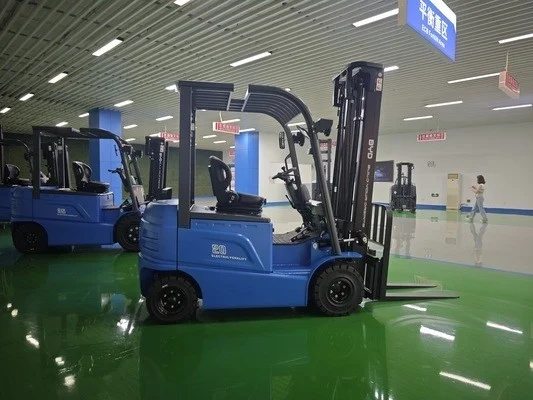
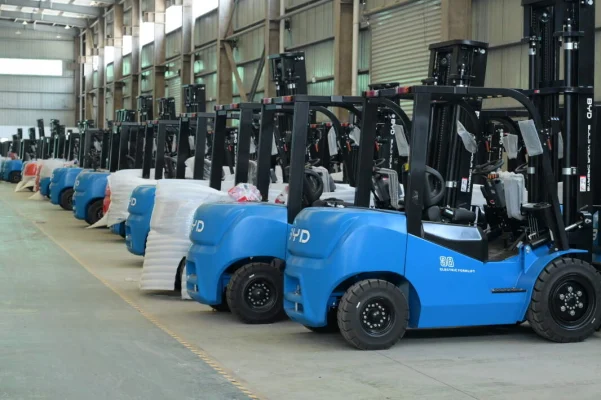
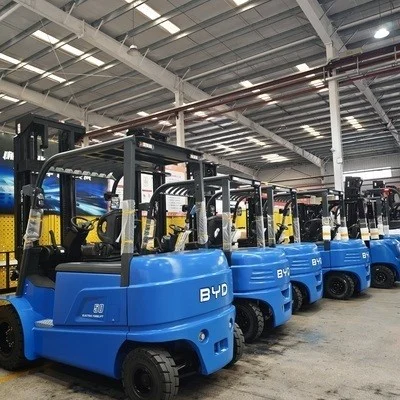
Battery-powered forklifts produce zero tailpipe emissions during operation. They meet all indoor and zero-emission site requirements, and align with most regional clean air rules. Operational restrictions center on battery charging and disposal infrastructure. Sites must follow rules covering lithium-ion battery storage and waste handling to maintain full compliance.
Hybrid Forklifts
Hybrid models combine combustion power with electric assist systems. They deliver lower overall emission output than standard IC models, but still produce some exhaust emissions. They suit semi-outdoor yard operations where full zero emission adoption remains cost-prohibitive. They do not qualify for full zero-emission site certification in most regions.
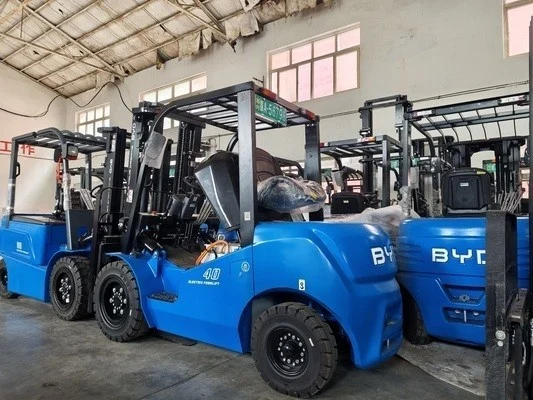
Each category carries unique compliance tradeoffs. No single forklift type meets all possible site regulatory requirements across every location.
Practical Selection Guidance Site Operators
Start with a full audit of your site’s specific regulatory requirements. Identify local emission limits, indoor operation allowances and infrastructure rules before evaluating equipment options. Sites located within non-attainment air quality zones must prioritize zero-emission equipment to meet regulatory thresholds.
Enclosed indoor warehouses or production facilities require zero-emission equipment to protect worker health and meet air quality rules. Outdoor storage yards with lenient regulatory requirements can still use compliant newer IC or hybrid models to reduce upfront equipment costs.
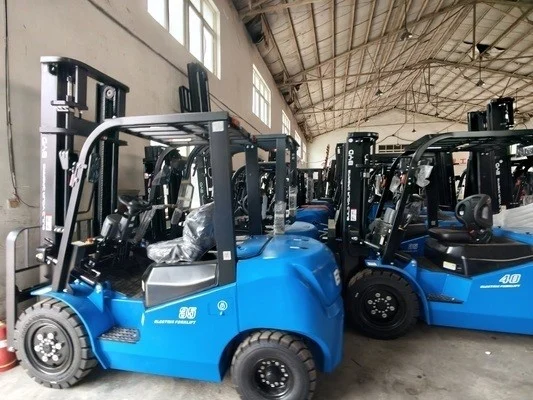
Additional factors include infrastructure availability. Zero-emission electric forklifts require dedicated charging space and upgraded electrical capacity. Sites without existing infrastructure may face high upfront conversion costs, even though long-term operational costs run lower than IC options. Ongoing compliance requires regular equipment maintenance. Emission control systems on newer IC models need routine inspection to maintain compliant output. Electric models require battery management system checks to meet safety and disposal rules.
Frequently Asked Questions
Can older IC forklifts pass modern emission compliance checks?
Most regional regulations require all operating equipment meet current emission standards, not just new purchases. Older non-compliant IC forklifts typically fail inspection and cannot operate within regulated zones. Some rural areas allow grandfathered use of older equipment, but this exemption varies widely by location.
Do all different forklifts type require the same compliance checks?
No. Combustion-powered equipment requires regular exhaust emission testing, while electric models require inspection of battery storage, charging infrastructure and disposal procedures. Hybrid models require checks of both emission control systems and electric component safety protocols.
Are hybrid forklifts acceptable under modern zero-emission site rules?
Most modern zero-emission site rules define compliance as zero operational exhaust output. Hybrid models still produce small amounts of exhaust, so they do not meet full zero-emission requirements. They do align with many general regional emission limits covering semi-outdoor operations.
What happens when my site fails compliance checks related to forklift emissions?
Penalties vary by region and severity of non-compliance. Common outcomes include fines, mandatory equipment replacement orders and temporary operational shutdown until issues get corrected. Repeat non-compliance can lead to permanent revocation of site operating permits in many regions.