Understanding How Different Forklifts Type Perform Across Varied Industrial Material Handling Work Environments
News 06/10/2026
Core Forklift Categories And Their Core Capabilities
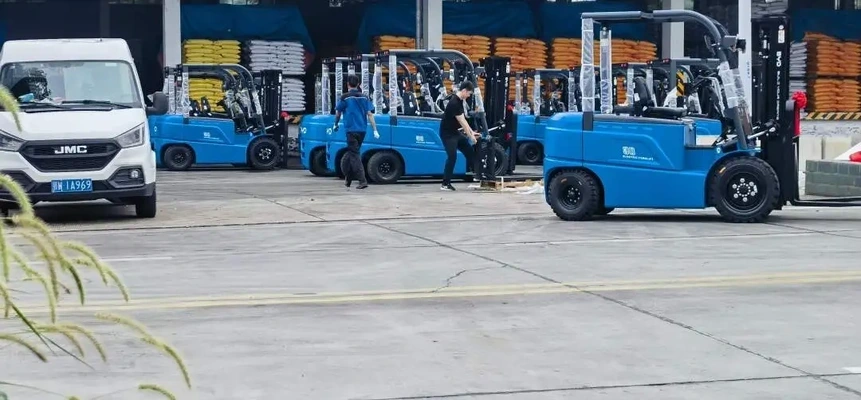
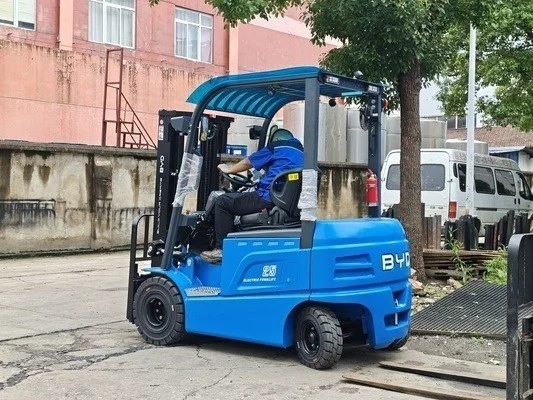
Counterbalance Forklifts
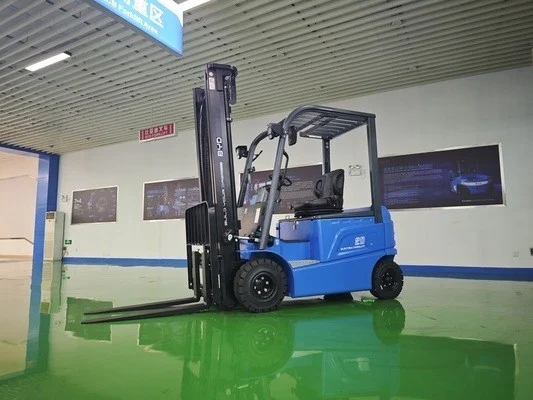
Counterbalance forklifts rank among the most common options general warehouse operations. Their design places extra weight behind the mast to offset heavy loads lifted at the front, eliminating need for extended outriggers. This design lets them maneuver easily in standard storage aisles and handle loads ranging from 1,000 to 10,000 pounds depending on the selected model. Performance strengths include smooth acceleration on flat, paved or concrete surfaces, and ability to load and unload trucks directly from dock positions. Limitations include reduced maneuverability in very narrow aisles, and poor traction on uneven, muddy or snowy outdoor surfaces.
Reach Forklifts
Reach forklifts are purpose-built to serve high density warehouse storage. Their extendable mast lets them reach into racking up to 40 feet high, far higher than most counterbalance models. They work best in narrow aisles that measure as little as 8 feet wide, making them perfectly suited operations focused on maximizing vertical storage space. Key performance limitations include inability handle extremely heavy loads over 5,000 pounds for most standard models, and they only operate effectively indoors on flat, stable surfaces.
Side Loader Forklifts
Side loaders carry long, bulky loads such as lumber, pipes or steel beams along the side of the vehicle rather than the front. This design eliminates dangerous overhang when moving long items, letting them navigate narrow aisles in lumber yards or manufacturing facilities that handle oversized materials. They perform well on both indoor concrete surfaces and compacted outdoor yard ground. Their main limitation is lower speed when turning and maneuvering small, standard pallet loads compared to standard counterbalance models.
Rough Terrain Forklifts
Rough terrain forklifts are built to handle unimproved outdoor work sites. They feature large, deep-tread tires, high ground clearance and powerful engines tailored uneven ground at construction sites, logging yards and remote agricultural storage areas. Most models handle loads between 5,000 and 15,000 pounds, and many include four-wheel drive improved traction on steep or slippery ground. Limitations include larger turning radius, poor maneuverability in indoor storage areas, and lower fuel efficiency when used on flat paved surfaces.
Performance Comparisons Across Common Work Environments
Indoor Warehouse Storage
In indoor warehouses with standard 12-foot or wider aisles, counterbalance forklifts deliver consistent, versatile performance loading, unloading and moving pallets across the facility. For warehouses with narrow aisles and high racking, reach forklifts outperform other types by letting operations store 30% more inventory within the same building footprint, without sacrificing access to stored pallets. Side loaders only add value indoor warehouses that handle long, oversized loads, so they are unnecessary general pallet storage operations.
Outdoor Construction Sites
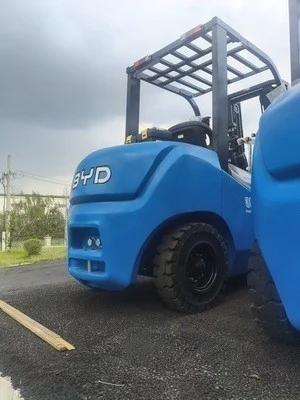
Rough terrain forklifts outperform all other types on unimproved construction sites. Their traction and ground clearance let them move lumber, building materials and equipment across mud, gravel and uneven graded ground. Counterbalance forklifts with pneumatic tires can work on construction sites with paved or compacted staging areas, but they get stuck easily on soft, uneven ground. Reach and side loader forklifts are rarely useful construction sites, due their low ground clearance and inherent design limitations.
Retail Yard And Distribution Center Outdoor Storage
Many retail distribution centers store bulk inventory in outdoor paved or compacted yards. For this environment, pneumatic-tire counterbalance forklifts deliver solid all-around performance. They handle standard pallets easily, and their tires provide enough traction packed gravel or dry paved surfaces. Rough terrain forklifts work here too, but they consume more fuel and cost more upfront, so they are rarely the most cost-effective choice this setting.
Lumber And Building Material Yards
Side loaders are the top performing option long loads open lumber yards. They can move 20-foot or longer lumber boards without the load extending past the vehicle’s width, making navigation between narrow yard rows safe and efficient. Rough terrain forklifts work well moving bulk stacks lumber across uneven yard ground, but they require more space maneuver long loads.
Actionable Selection Guidance Your Operation
Start by mapping your most common load types, work space dimensions and work environment surface conditions before selecting a forklift. Follow these clear steps to narrow your options:
- Measure your average aisle width and maximum rack height to confirm which forklift types can maneuver and reach your storage locations.
- Identify your maximum load weight and most common load shape to match the lift capacity and core design of the forklift.
- Note whether the forklift will operate exclusively indoors, exclusively outdoors, or both, to match tire type and ground clearance requirements.
- Test any prospective forklift in your actual work environment before purchase or long-term rental, to confirm performance matches your daily needs.
Frequently Asked Questions
Which forklift type works best narrow warehouse aisles?
Reach forklifts deliver the best performance narrow warehouse aisles. Their compact design and extendable mast let them access high racking in aisles as narrow as 8 feet, which is far narrower than the 12-foot minimum most counterbalance forklifts require.
Can counterbalance forklifts work outdoor?
Counterbalance forklifts fitted with pneumatic tires work well on flat, compacted or paved outdoor surfaces. They do not perform well on soft, uneven or muddy ground, where rough terrain models are better suited.
What forklift type handles long lumber or pipe loads?
Side loader forklifts are purpose-built to handle long bulky loads. Their side-mounted carrying carriage lets the load stay within the vehicle’s width, eliminating dangerous overhang when moving through narrow yard rows.
Do I need specialized training operate any of these forklift types?
Yes. All industrial forklifts require operator training that meets local safety regulations. Specialized types like reach or rough terrain forklifts may need additional targeted training, due their unique operating characteristics.
Final Considerations
Each forklift type delivers optimal performance only when matched to the specific demands your work environment and load types. Matching equipment to your actual needs reduces operating costs, improves safety and increases productivity across your material handling operations. Always prioritize testing equipment your own worksite before committing to long-term use, to confirm performance aligns with your operational expectations.