Critical Selection Criteria When Assessing Different Forklifts Type During Industrial Equipment Acquisition
News 03/10/2026
Selecting the right material handling equipment directly impacts your facility productivity, workplace safety and long term operational costs. When assessing different forklifts type during industrial equipment acquisition, you need systematic criteria to avoid costly mismatches between your equipment and operational needs. This guide breaks down core evaluation factors, common application scenarios and key limitations to support your decision making process.
Understand Your Core Operational Requirements First
Start your assessment by mapping your specific operational needs before you review any available models. Clear requirements narrow your options and eliminate unsuitable choices early in the process.
Indoor Versus Outdoor Operation
Operation environment dictates many key forklift attributes. Indoor warehouse and distribution center work requires zero on-site emissions and lower noise output. Narrow aisle designs also fit within dense racking layouts common indoor. Outdoor work, such as construction yards or lumber yards, needs units built for uneven ground, with larger treaded tires and higher ground clearance.
Load Capacity And Lift Height
You must document your heaviest regular load and maximum required lift height before evaluating any model. Exceeding a forklift rated capacity creates serious safety hazards, including tip overs and equipment damage. Oversized forklifts with capacity far beyond your needs waste capital, consume more energy and require more storage space when not in use.
Available Facility Space
Facility layout directly impacts which different forklifts type work. Warehouses with narrow aisles between storage racks need models with extremely tight turning radii to access all storage locations. Open outdoor yards or large distribution centers with wide aisles can accommodate larger, wider forklift models without operational issues.
Evaluate Power Source Options
Different power sources bring distinct advantages and limitations that align with specific use cases.
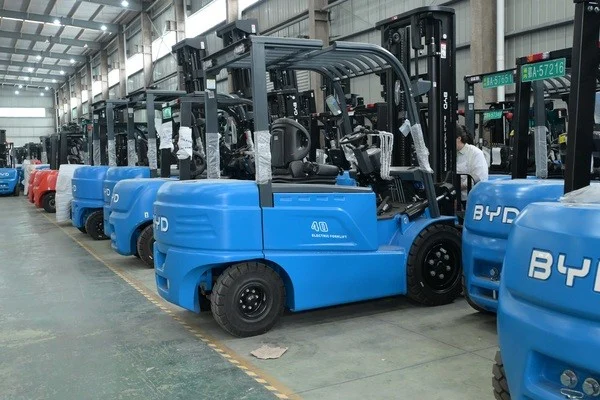
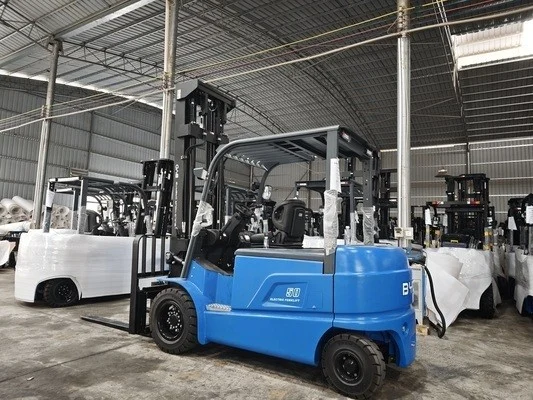
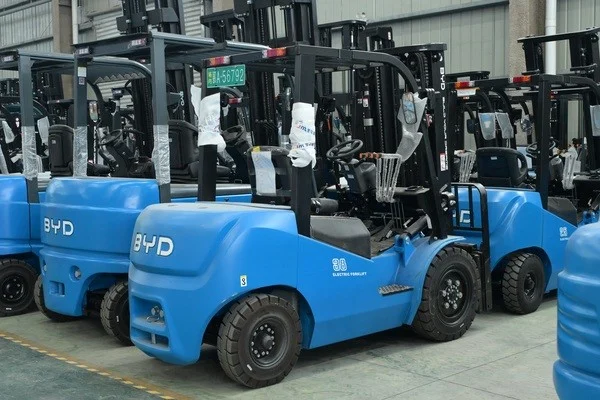
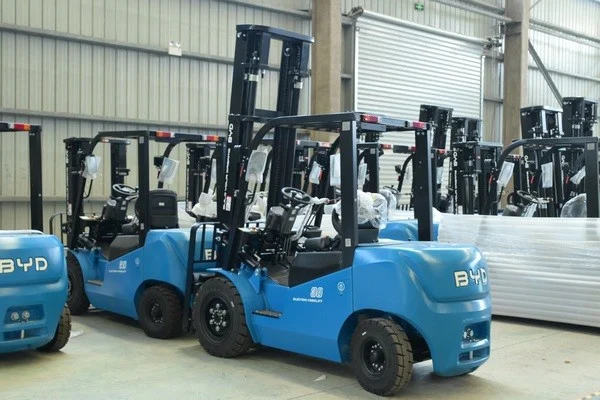
- Electric: Electric models produce zero on-site emissions, operate at low noise levels and have lower per-hour operating costs. They require dedicated charging infrastructure and planned downtime for battery recharging or swaps. Initial acquisition cost is typically higher than internal combustion alternatives.
- Diesel Internal Combustion: Diesel models deliver high raw power, work well in remote outdoor locations and refuel in just a few minutes. They produce exhaust emissions, making them unsuitable for unventilated indoor use. They also have higher ongoing operating and maintenance costs.
- Liquefied Petroleum Gas (LPG): LPG models balance power output with lower emissions than diesel. They refuel quickly and work well in mixed indoor-outdoor operations with proper ventilation. They require regular LPG tank swaps and still have higher operating costs than electric models.
Assess Total Cost Of Ownership
Many procurement teams focus only on upfront acquisition cost, but total cost of ownership (TCO) drives long term expenses over the equipment lifespan.
Upfront Acquisition Cost
Initial pricing varies widely across different forklifts type. Entry-level internal combustion models typically carry lower upfront price tags than advanced electric models with lithium-ion battery systems. Your available budget will narrow your candidate list early in the process.
Ongoing Operating And Maintenance Costs
Electric models have far fewer moving parts than internal combustion models, so they require less frequent maintenance. Energy costs per operating hour are also significantly lower than combustion alternatives. Internal combustion models need regular oil changes, filter replacements and engine tune-ups, which add thousands of dollars in cost over the equipment service life.
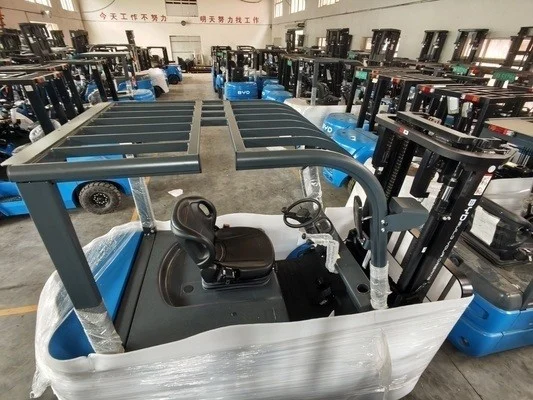
Match Forklift Type To Your Common Use Cases
Below are common hypothetical application scenarios to illustrate how criteria apply to real world decisions:
- Third-party logistics warehouse with 10-meter high racking: Narrow aisle electric reach truck fits this use case. It supports high-density storage, meets indoor emission rules and delivers the required lift height. Limitation: It can not operate on uneven outdoor ground.
- Construction yard moving lumber and heavy building materials: Rough terrain internal combustion forklift meets this need. It handles uneven unpaved ground, carries heavy loads and does not require on-site charging infrastructure. Limitation: It can not operate inside enclosed warehouses without proper ventilation.
- Retail distribution center with mixed indoor storage and outdoor loading docks: Sit-down LPG counterbalance forklift offers the required flexibility. It refuels quickly, handles both dock work and indoor transport with proper ventilation. Limitation: It can not fit into extremely narrow aisles common in high-density storage warehouses.
Most facilities need multiple different forklifts type to cover all operational needs, rather than relying on one universal unit.
Frequently Asked Questions
Which different forklifts type work best in enclosed indoor spaces?
Electric narrow aisle and counterbalance models work best for enclosed indoor use. They produce zero on-site emissions, operate at lower noise levels and fit within standard warehouse space constraints.
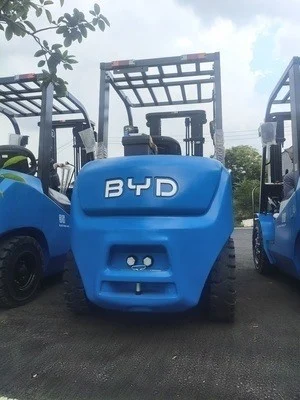
Do electric forklifts need special infrastructure prior to operation?
Yes. All electric forklifts require dedicated charging stations or space for battery swap operations. You must allocate budget and facility space for this infrastructure before completing your acquisition.
What safety checks should I complete before finalizing a forklift purchase?
First, verify all candidate units meet all local workplace safety regulations. Second, confirm rated load capacity matches your maximum regular load requirements. Third, test maneuverability within your facility narrowest aisles to avoid costly post-purchase modifications.
Can one forklift type cover all my facility operational needs?
Most facilities with mixed indoor and outdoor operations benefit from multiple different forklifts type. A single universal model will likely underperform in at least one operating environment, leading to lower productivity and higher long term costs.
Actionable Final Steps
After you complete your initial assessment, schedule on-site testing for any candidate forklift within your own facility. Testing confirms maneuverability, load handling and fit with your existing layout. Document all your core operational requirements before you begin reviewing models, this eliminates unsuitable options early and saves time. Prioritize total cost of ownership over just upfront pricing to capture better long term value for your organization.