Load Handling Attachment Compatibility Impacts Electric Forklift Functional Versatility Across Industrial Operations
News 17/10/2026
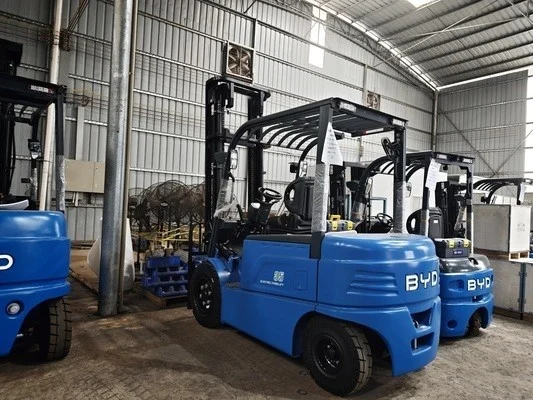
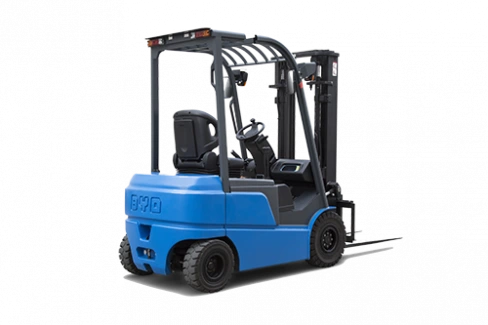
Electric forklift functional versatility heavily depends on its load handling attachment compatibility. Mismatched attachments cut functional range, create safety risks and limit the equipment’s use across different work tasks. Configuring an electric forklift with compatible attachments lets teams unlock maximum value from the equipment, while mismatched setups leave many potential use cases untapped.
Core Compatibility Factors That Shape Versatility
Several key compatibility factors directly influence how much versatility your electric forklift can deliver. Each factor interacts with the others to set clear limits on what attachments the unit can support safely and effectively.
Forklift Frame and Hydraulic System Matching
Every electric forklift comes with specific frame mounting points and hydraulic output ratings. Attachments need matching mounting brackets to connect securely, and hydraulic flow requirements must align with the forklift’s pump capacity. When these components don’t match, operators can’t switch attachments quickly, or the attachment fails to operate correctly. This locks the forklift into one permanent configuration, eliminating any chance it can adapt to changing task needs.
Weight Capacity Alignment
The combined weight of the attachment and its load must stay within the electric forklift’s rated load capacity. Even an attachment that fits physically will bring safety issues if it pushes the forklift beyond its weight limit. This reduces the types of loads the unit can handle, directly cutting functional versatility. Operations teams must always account for the attachment’s own weight when calculating total load limits, as this factor often gets overlooked during configuration.
How Compatible Attachments Expand Operational Range
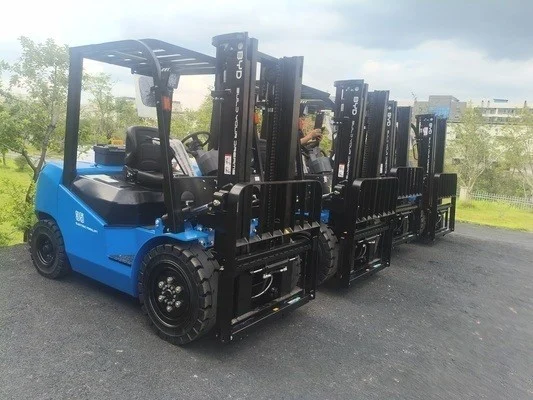
When attachments match the electric forklift’s specifications, operations teams can reconfigure the same unit to handle multiple task types across different industrial settings. Common use cases that compatible setups enable include:
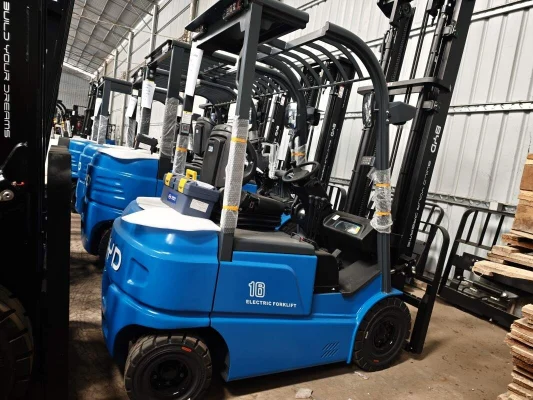
- Warehouse storage operations: Switch between fork extensions to handle pallets and side shifters that support tight aisle positioning
- Construction yards: Swap standard forks with bucket attachments that move loose materials
- Manufacturing lines: Use clamp attachments that handle irregular shaped goods like drums or furniture
Without proper compatibility, each of these tasks requires a separate dedicated forklift. Compatible setups let one electric forklift cover multiple roles, reducing equipment needs and optimizing floor space within facilities. Units designed with compatible quick-disconnect mounts let teams switch attachments in minutes, versus the multiple hours custom or mismatched setups require to complete installation. This makes cross-task deployment practical during daily operations, which directly boosts overall functional versatility.
Many operations teams prioritize electric forklifts to reduce carbon emissions and lower energy costs. Adding compatible attachments extends this benefit by letting one electric unit replace multiple internal combustion-powered pieces of equipment, further supporting sustainable operational goals.
Frequently Asked Questions
Can any electric forklift work with any third-party attachment?
No. Most third-party attachments build to match common industry specifications, but every electric forklift model has unique mounting, hydraulic and capacity requirements. You must cross-check attachment specifications against your forklift’s official manual before installation. Failing this check can void your equipment warranty and create serious safety hazards.
Does compatibility affect electric forklift battery life?
Mismatched attachments increase power draw from the forklift’s hydraulic system. A mismatched attachment that requires higher hydraulic flow than the forklift’s pump can deliver forces the system work harder, which drains battery faster. This reduces run time between charges and limits how long the unit can work during shifts. Compatible attachments maintain optimal power use, preserving battery run time consistent with the manufacturer’s rating.
How do I verify attachment compatibility before purchase?
Start by collecting your electric forklift’s model number, mounting type, hydraulic flow rating and maximum load capacity from the official product manual. Share these details with the attachment supplier, and ask them to confirm the attachment meets all matching requirements. Some suppliers offer compatibility check tools on their websites to help you cross-reference specifications quickly.
Always prioritize confirmed compatibility over lower cost when selecting attachments. A lower-priced mismatched attachment ends up costing more long-term due to reduced versatility, safety risks and potential damage to your electric forklift.