2 ton electric forklift: Key Selection Criteria Heavy-Duty Intraday Logistics Operations
News 03/10/2026
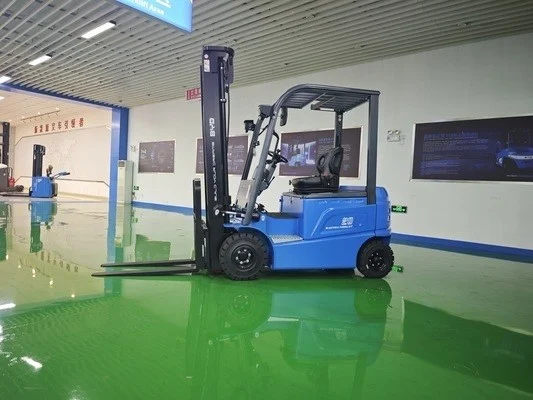
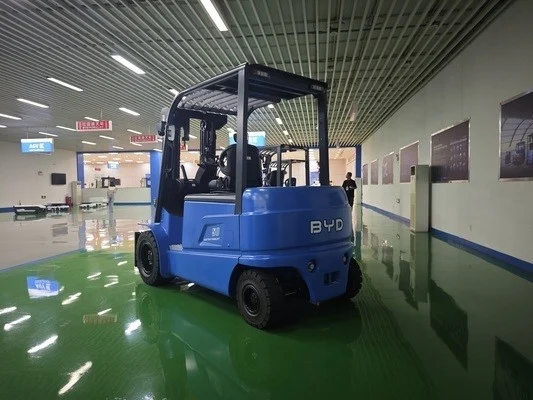
A 2 ton electric forklift fills a high-demand niche across intraday logistics operations, balancing maneuverability small capacity units with lifting power larger, bulkier models. Daily operations moving pallets, raw materials, and finished goods between storage, loading docks, and production lines rely on this capacity rating match common load sizes. However, not all 2 ton electric forklifts work equally well heavy-duty daily use. This guide breaks down core selection criteria help you match the right unit your operational needs.
Core Capacity & Load Profile Requirements
Nominal Lift Height Impact
When evaluating a 2 ton electric forklift, first assess your facility’s most common load weight and maximum lift height. Many operations label standard working loads as 2 tons, but adding pallet weight or protective packaging often pushes total load weight over the 2 ton rating. This mismatch leads to premature component wear and avoidable safety risks. Nominal lift height also directly changes effective lifting capacity. Higher lift heights reduce maximum load a lift can handle safely. If your facility stores pallets 15+ feet high, confirm the forklift retains at least 90% of its 2 ton rating at that full height.
Load Center Distance Considerations
Load center distance measures the horizontal distance between the fork heel and the load’s center of gravity. Most 2 ton electric forklifts use a 24-inch standard load center, aligned with standard North American pallets. If your loads are longer, such as lumber or oversized crates, your load center shifts forward, which automatically reduces the forklift’s effective capacity. Adjust your selection to account for this shift, and choose a model with higher effective capacity if your load centers regularly exceed 24 inches.
Battery & Power System Compatibility
Lead-Acid vs Lithium-Ion Options
Heavy-duty intraday operations run multiple shifts daily, so power system design directly impacts operational uptime. Lead-acid batteries cost less upfront, but require 8+ hours charging and 8 hours cooling time between uses. This means you need a spare battery per forklift to cover multi-shift operations. Lithium-ion batteries charge faster, many reach full charge within 2 hours, and support opportunity charging during worker breaks. No need for spare batteries, but upfront investment higher. Lead-acid also requires dedicated ventilation space manage acid fumes, while lithium-ion needs no special ventilation. Choose the option aligned with your uptime needs and budget.
Charging Infrastructure Access
Map charging station locations across your facility before you make your final selection. High traffic areas near loading docks need quick access to opportunity charging points lithium-ion units. For multi-shift operations, confirm your facility’s electrical panel can handle simultaneous charging multiple units without overload. Mismatched charging infrastructure leads to unnecessary downtime and can create electrical safety hazards.
Maneuverability & Facility Constraints
Aisle Width Requirements
Intraday logistics operations often work within tight warehouse aisles. A standard 2 ton electric forklift needs 12 to 14 feet wide aisles for full 90-degree turning. If your facility uses narrow aisle storage to maximize storage density, you need a narrow aisle or articulating 2 ton electric forklift model, which operates safely in aisles as narrow as 8 feet. Always measure your working aisle width before you finalize your selection; mismatched aisle width causes damage to racks, product, and forklift over time.
Floor Condition & Weight Rating
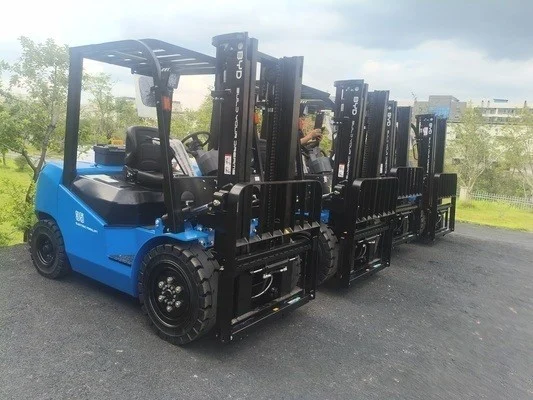
Concrete floors in older warehouses often have lower total weight load ratings. A 2 ton electric forklift plus a full 2 ton load creates significant total ground pressure. If your floor has existing cracks or documented lower weight ratings, look for models with wider tires distribute pressure more evenly, reducing long-term floor damage risk. Light outdoor use, like moving loads between connected warehouse buildings, requires solid pneumatic tires handle uneven pavement. Indoor-only operations work well with cushion tires that offer lower turning radius and better traction smooth concrete.
Operational Features Heavy-Duty Daily Use
Operator Comfort & Ergonomics
Intraday logistics operators spend full shifts on forklifts. Ergonomic features like adjustable seats, intuitive control panels, and reduced vibration levels lower operator fatigue and reduce accident risk. Look for models with clear visibility through the mast, this improves accuracy when loading and unloading trucks or placing pallets high on racks. Small ergonomic improvements add up to significant productivity gains and lower turnover among full-time operators.
Maintenance Accessibility
Heavy daily use leads to more frequent routine maintenance. Choose models with easy access key components like filters, batteries, and hydraulic lines. This reduces downtime during routine service, keeps your operations running on schedule. Integrated telematics systems track usage, battery health, and upcoming maintenance schedules, helping you plan service ahead unplanned outages that disrupt daily logistics workflows.
Common Use Cases & Limitations
2 ton electric forklifts deliver reliable performance these common heavy-duty intraday logistics scenarios:
- General warehouse pallet movement: Moving inbound and outbound pallets from delivery trucks to storage locations, matching most standard 1,800 to 2,000 pound pallet weights.
- Manufacturing intralogistics: Moving raw material batches to production lines and moving finished goods to storage, aligned with common component and finished product batch weights.
- Retail distribution centers: Sorting and moving full pallets of retail goods to outbound loading bays, fitting within most standard distribution center aisle layouts.
Important limitations also apply. 2 ton electric forklifts cannot handle loads over 2,200 kilograms consistently, so avoid this capacity rating if your operations regularly move heavier loads. They also have reduced performance extreme cold environments like commercial freezers, unless you purchase a cold storage-specific model with battery insulation and specialized hydraulic fluid.
Frequently Asked Questions
Which environment suits a 2 ton electric forklift?
2 ton electric forklifts perform best inside warehouses, distribution centers and manufacturing facilities with controlled temperatures. Specialized cold storage models support operation inside freezer environments, and solid tire models handle light outdoor use between connected facility buildings. They produce zero emissions, making them ideal enclosed work spaces.
How much does a standard 2 ton electric forklift cost?
Cost depends on battery type, added features and manufacturer. Entry-level lead-acid models start between $15,000 and $25,000. Lithium-ion models typically start between $25,000 and $35,000, with added features like telematics or cold storage ratings increasing total price.
Can a 2 ton electric forklift handle outdoor operations?
Most standard 2 ton electric forklifts designed primarily indoor use. Models with solid pneumatic tires and sealed electrical components handle light, intermittent outdoor use like crossing parking lots between warehouse buildings. Full-time outdoor operations usually require larger, internal combustion lifts, but electric models with full weather sealing work well in drier climates.
What maintenance schedule applies a 2 ton electric forklift in heavy daily use?
Most manufacturers recommend daily pre-use inspections check tire pressure, brake function and battery health. Routine service including hydraulic fluid top ups, filter changes and brake adjustments occur every 200 to 250 operating hours. Annual full inspections check mast function, load capacity calibration and electrical system integrity.
Choosing a 2 ton electric forklift heavy-duty intraday logistics requires careful alignment between your facility constraints, load profiles and operational schedule. Start by measuring your aisle widths, maximum lift heights and average load weights to narrow your options. Evaluate battery and charging infrastructure needs match your shift schedule, then prioritize ergonomic and maintenance features that reduce long-term downtime. This approach helps you select a unit that meets your daily operational demands and delivers reliable service years.