Electric Forklift Truck Procurement: Questions to Ask About Battery Capacity, Charging Infrastructure, and Daily Duty Cycle
News 03/11/2026
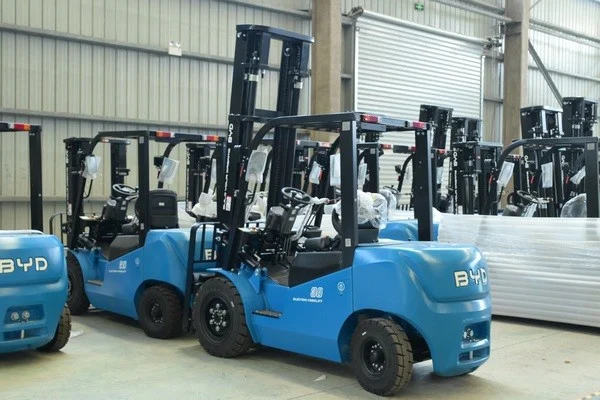
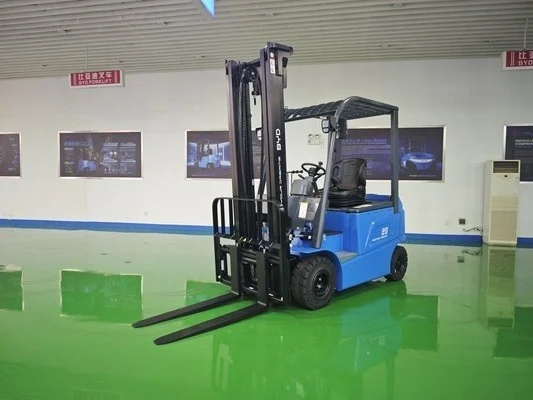
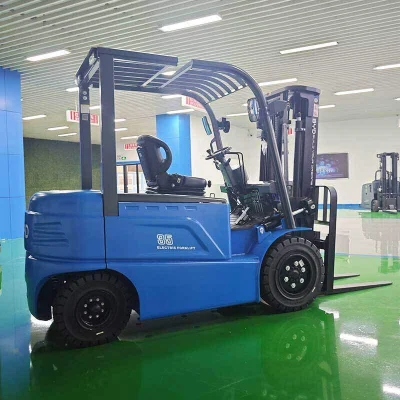
Buying an electric forklift truck is less about picking a model number and more about matching energy supply to real work. Battery capacity, charging infrastructure, and daily duty cycle are linked: a truck sized on lift height alone may run out of charge mid-shift, or sit idle while its pack recharges. This procurement guide lists the questions to ask before requesting a quotation, with the answers you should expect and the details worth confirming in writing. The discussion assumes a four-wheel counterbalance electric forklift, the common general-purpose choice for loading, unloading, and warehouse transfer work.
Questions About Daily Duty Cycle and Energy Demand
Duty cycle describes how hard the truck works across a shift. It drives every other decision, so establish it first.
What does a typical shift look like?
Ask the supplier to help you map hours worked, number of lifts, average travel distance, ramp use, and attachment use. A truck handling light pallets on flat concrete has different energy needs from one climbing ramps with heavy loads. Record the heaviest and longest tasks, not just the average.
How many shifts run each day, and how long are breaks?
Single-shift, multi-shift, and near-continuous operations need different charging plans. Breaks matter because opportunity charging during pauses can reduce the need for a spare battery. Confirm whether the truck must be available during shift changes.
What loads and lift heights apply?
Provide the maximum load, the load center, and the highest lift required. These figures determine the rated capacity you need and influence energy use. Ask the supplier to confirm that the proposed configuration meets your duty at the stated load center, and request the manufacturer technical data that supports it.
Questions About Battery Capacity and Charging Infrastructure
Battery and charger decisions should be made together. A larger pack with an undersized charger can still leave the truck unavailable.
How was the proposed battery capacity determined?
Ask what duty cycle, shift length, and load profile the recommendation assumes. Request the usable capacity and the manufacturer’s stated operating conditions. If the supplier cannot explain the basis, treat the number as unverified. Where lithium-ion packs are offered, ask how capacity is affected by temperature and by the end of discharge.
Which charger, and what power supply is available?
Confirm charger type, input voltage, and current draw against your site’s electrical capacity. Ask whether charging can occur in the work area or needs a dedicated room, and what ventilation or fire-safety measures local rules require. These are site-specific, so verify them with your electrical contractor and local authority rather than relying on general advice.
Is opportunity charging practical?
Ask whether the pack and charger support charging during breaks without harming battery life, and how long a useful top-up takes. For lithium-ion trucks, confirm the manufacturer’s guidance on partial charging and on charging at different states of charge.
Will a spare battery be needed?
Compare the cost and space of a spare battery against a larger pack or faster charging. Ask about battery handling equipment and the time needed to swap a pack safely. The right answer depends on shift pattern and available floor space.
Questions to Settle Before You Sign
Turn the answers into written requirements so the quotation and acceptance checks match your operation.
- Duty statement: shift length, lifts per shift, maximum load, load center, lift height, ramp and floor conditions.
- Energy data: proposed battery capacity, its basis, charger rating, and expected charging time under your shift pattern.
- Site readiness: electrical supply, charging location, ventilation, and any local approvals needed.
- Acceptance checks: a trial under your own loads, verification of rated capacity at the stated load center, and confirmation of charger compatibility.
- Documentation: manufacturer data sheets, charging instructions, and warranty terms covering the battery and charger.
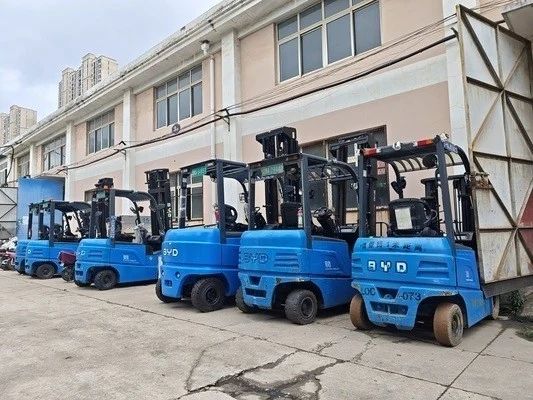
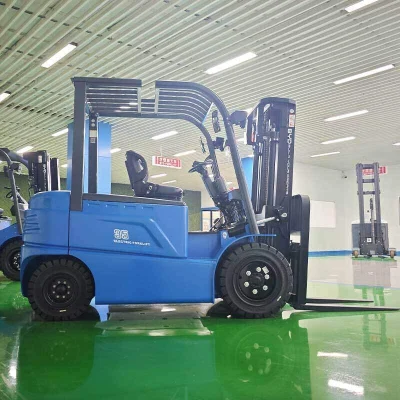
If your operation involves ramps, narrow aisles, or heavy attachments, raise these early. A four-wheel counterbalance electric forklift can suit many loading and transfer tasks, but suitability depends on measured conditions, not on general claims. Share your actual loads, lift heights, shift pattern, and charging setup when requesting a configuration proposal, and ask the supplier to state any assumptions clearly.
Frequently Asked Questions
Can I estimate battery capacity from lift height alone?
No. Lift height affects the mast specification, while energy demand depends mainly on load weight, travel distance, ramp use, and hours worked. Capacity should be based on a duty cycle description.
Is opportunity charging always better than a spare battery?
Not always. It reduces battery handling but requires charger access and suitable pack guidance. A spare battery may suit long multi-shift operations where charging windows are short. Compare both against your shift pattern.
What should I ask about charger installation?
Ask about input voltage, current draw, charging location, ventilation, and local safety requirements. Confirm the site electrical capacity with a qualified contractor before ordering.
How do I verify the quoted capacity is realistic?
Request the manufacturer technical data and the assumptions behind the recommendation, then plan a trial under your own loads and routes. Written acceptance criteria make the comparison objective.