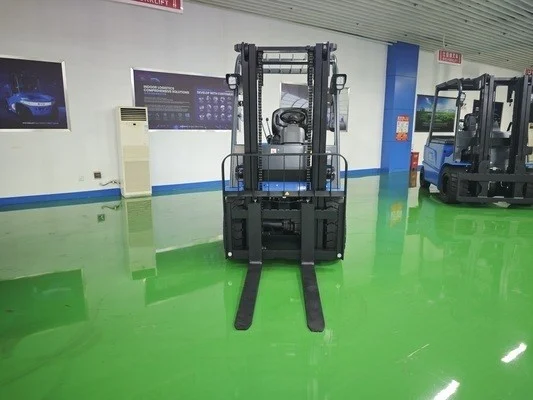
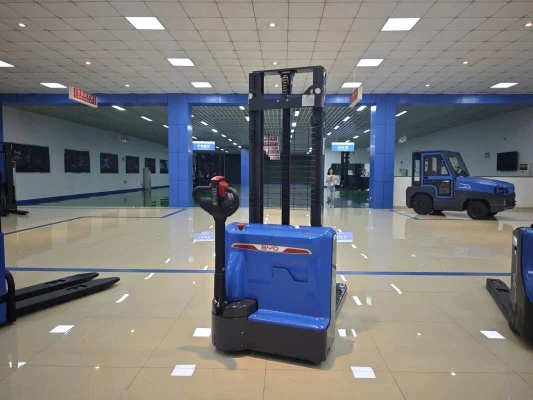
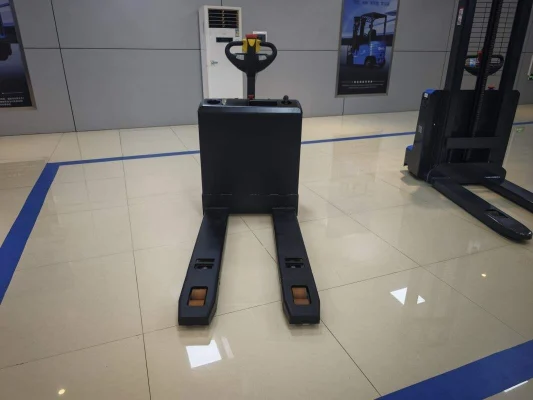
Electric Forklift Truck Procurement: Clarifying Required Capacity and Lift Height Before Requesting Four-Wheel Counterbalance Quotes
News 13/11/2026
An electric forklift truck quote is only as useful as the specification behind it. Before you contact a supplier, settle two numbers: the load you must move and the height you must reach. These two figures, plus the load center and the actual operating conditions, determine which four-wheel counterbalance electric forklift configuration fits your work. Without them, suppliers can only guess, and a quote built on guesses may describe a machine that cannot safely do the job. This guide explains what to clarify first, which supporting details belong in the request, and what to confirm before you accept a proposal.
Why Capacity and Lift Height Come First
Rated capacity is not a single fixed number that applies at every height. A counterbalance truck lifts a load at a defined load center, and the further that load sits from the fork face, the lower the usable capacity becomes. The same principle applies as lift height increases: the mast and carriage add weight and change stability, so the capacity shown on the data plate must be read together with the load center and lift height it refers to.
This is why a buyer who asks only “I need a two-ton truck” may receive a quote that looks correct but does not match the task. If the real load is a wide crate whose center of gravity sits well forward of the fork face, or if the load must be raised to a high racking level, the effective capacity at that combination may be lower than the nominal rating. Clarifying both values early prevents later redesign, re-quoting, and disappointment at commissioning.
For a four-wheel counterbalance electric forklift, the two figures also shape the chassis, mast, battery, and counterweight. Getting them right at the inquiry stage keeps the procurement conversation focused on the machine you actually need.
Building a Clear Requirement Before You Ask for Quotes
Write down your operating facts before contacting any supplier. The list below is a practical starting point; add anything specific to your site.
- Maximum load weight, including packaging, pallet, and any attachments. State the heaviest single load, not an average.
- Load center: the horizontal distance from the fork face to the load’s center of gravity. Measure representative loads rather than assuming a standard figure.
- Required lift height: the height the fork or load must reach, plus any free-lift requirement under low clearance.
- Mast and overhead limits: door heights, racking clearances, and any low beams the mast must pass under.
- Aisle and turning space: the narrowest aisle and the space available to turn, which affect chassis size and maneuverability.
- Floor and surface conditions: smooth concrete, expansion joints, ramps, dock plates, or outdoor yards.
- Gradients: any slope the truck must climb loaded or unloaded, with an estimate of the grade.
- Shift pattern and charging: hours per shift, number of shifts, available charging time, and the space and power available at the charging point.
- Attachments: any clamp, rotator, or other device that changes the load center and reduces usable capacity.
An attachment is a common source of error. Adding a device to the carriage moves the load forward and adds weight, so the capacity that applies to the bare fork truck no longer describes the equipped machine. If you plan to use one, say so in the inquiry and let the supplier confirm the derated capacity.
What to Send in the Inquiry and What to Confirm in the Quote
A good inquiry is short but complete. Describe the loads, the lift height, the aisle and floor conditions, the shift pattern, and the charging setup. Include photographs or simple sketches of the racking and the narrowest aisle if you have them. Ask the supplier to state the capacity at your load center and lift height, not only the nominal rating.
When quotes arrive, compare them on the same basis. The table below lists the points worth checking side by side.
| Item to confirm | Why it matters |
|---|---|
| Rated capacity at the stated load center and lift height | Shows whether the machine suits the real load, not an idealized one |
| Mast type and collapsed height | Confirms the truck fits under doors and overhead structures |
| Battery type and capacity | Affects runtime, charging routine, and available space |
| Charger requirements | Determines electrical supply and charging location |
| Dimensions and turning radius | Confirms fit in the narrowest aisle and at turning points |
| Tyres and floor suitability | Matches the surface and any outdoor or ramp use |
| Attachments and derated capacity | Prevents overloading when a device is fitted |
| Delivery, documentation, and training included | Clarifies what the price covers |
If a supplier cannot state capacity at your specific load center and lift height, treat that as an open question rather than an answer. Ask them to confirm it in writing before you compare prices, because two quotes with different assumptions are not directly comparable.
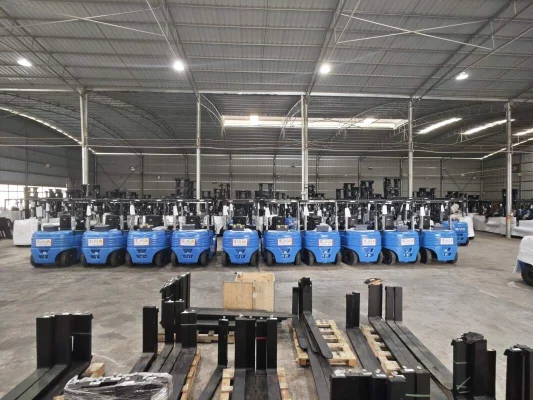
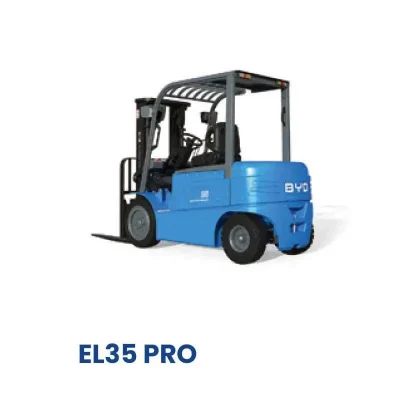
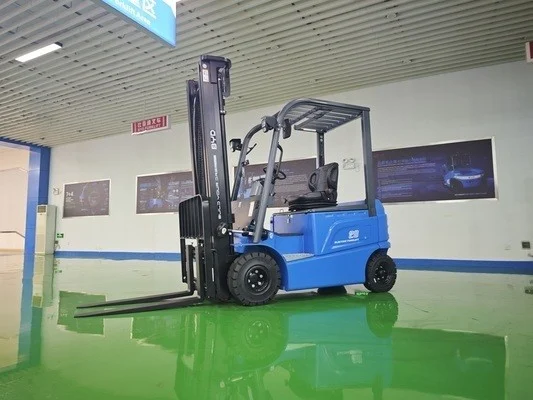
This is also the point to confirm the machine type. Our sales scope covers BYD four-wheel counterbalance electric forklifts, including lithium-battery models. If your application needs a different truck type, say so plainly so the discussion stays accurate. Sharing your real load, lift height, aisle width, floor, gradient, and shift details lets us check which configuration fits and which parameters still need verification.
Frequently Asked Questions
Is rated capacity the same at every lift height?
No. Usable capacity depends on the load center and lift height the rating refers to. A load held further from the fork face, or raised higher, can reduce the safe capacity. Always ask for the capacity at your actual load center and lift height.
How do I measure load center if my loads vary?
Measure the loads you actually handle and use the most demanding combination, not an average. If pallets differ widely, describe the range and the heaviest, deepest load in the inquiry so the supplier can confirm the right rating.
Can I choose a truck based on lift height alone?
No. Lift height is one input among several. Load weight, load center, aisle width, floor condition, gradients, and charging arrangements all influence the configuration. A height-only specification can lead to a machine that fits the racking but not the load.
What should I do if I plan to add an attachment later?
Tell the supplier at the inquiry stage. Attachments change the load center and add weight, which lowers usable capacity. Confirm the derated capacity with the attachment fitted before you commit to a purchase.