Electric Forklifts: Key Performance Specifications Cold Storage Operations
News 04/10/2026
Cold storage operations place unique demands on material handling equipment. Sub-zero temperatures, condensation buildup and constant daily use require electric forklifts built with specific design features to maintain safe, reliable operation. This guide breaks down key performance specifications you need to evaluate when selecting equipment matching this use case.
Core Performance Specifications
Each specification directly impacts uptime, safety and total cost of ownership in cold storage environments. Below are the most critical areas to assess.
Battery Temperature Resistance
Standard batteries built for ambient temperatures can lose 50% or more of their total capacity when operating below -10°C. This leads to frequent downtime mid-shift and faster battery degradation.
Specify units equipped with low-temperature rated batteries. These batteries maintain stable capacity even at temperatures as low as -25°C, and include built-in insulation to prevent cold-related power loss.
Hydraulic System and Component Durability
Cold temperatures change the viscosity of hydraulic oil and cause rubber seals to become brittle. This leads to leaks, poor lifting response and increased maintenance needs. One example is common seal materials crack easily after repeated exposure to sub-zero conditions, causing hydraulic fluid leaks that stop operations.
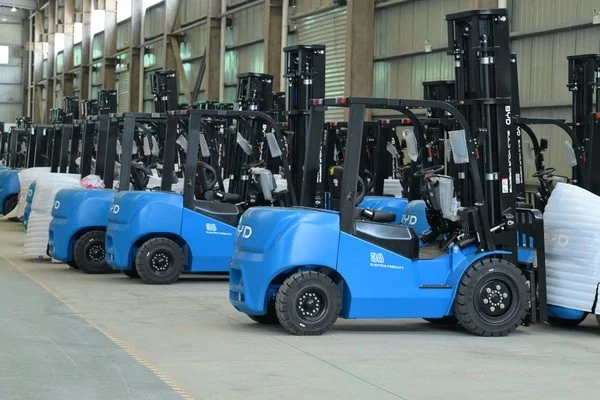
Quality electric forklifts built cold storage use low-temperature hydraulic fluid and cold-resistant rubber compounds that withstand consistent sub-zero temperatures. All moving parts include coatings that prevent condensation-related corrosion, even when units move between frozen and ambient temperature zones regularly.
Ingress Protection Rating
Temperature swings between cold storage areas and ambient loading docks cause condensation to form on electrical components. Without proper protection, this moisture leads to short circuits and corrosion that cause unexpected breakdowns.
All electrical connections and control modules must meet minimum ingress protection standards. Higher ratings deliver better protection against moisture and dust common cold storage facilities.
Lift Capacity and Mast Design
Most cold storage facilities use high-density racking to maximize storage space. This requires forklifts with mast designs that deliver clear visibility during high-lift operations, and match lift capacity to the average pallet weight your facility handles. Narrow-aisle models work well facilities with tight storage layouts, reducing the risk of rack or product damage.
Selection Guidance
Follow these practical steps to narrow your options and identify the right unit matching your needs:
- Document your facility’s coldest consistent operating temperature. Share this specification with potential suppliers to ensure all components are rated to work within your operating range.
- Calculate your average daily duty cycle. If you operate multiple shifts without long break periods, prioritize low-temperature lithium-ion batteries that support opportunity charging.
- Measure your narrowest aisle width and maximum rack height. Match these dimensions to the forklift’s turning radius and maximum lift height to avoid layout issues.
- Confirm warranty coverage applies to cold storage operation. Some standard warranties exclude damage from sub-zero temperatures, so you need confirm coverage before purchase.
Key limitations to consider: Even purpose-built cold storage electric forklifts have lower overall battery life than equivalent units used ambient temperatures. They also require more frequent maintenance checks to prevent component failure. Cutting costs by using a standard electric forklift in a permanent cold storage environment almost always leads to higher long-term costs from unexpected downtime and early replacement.
Frequently Asked Questions
Can I use a standard electric forklift in cold storage environments?
Standard electric forklifts work only in short-term or mild cold storage applications where temperatures stay above freezing. Continuous exposure to sub-zero temperatures causes rapid battery capacity loss, brittle seal damage and condensation-related electrical failures. Purpose-built units engineered to operate cold storage environments include insulation and temperature-resistant components to avoid these common issues.
What battery type delivers the best performance cold storage operations?
Low-temperature rated lithium-ion batteries deliver the best overall performance. They maintain up to 80% of their capacity at temperatures as low as -25°C, support fast charging and resist condensation damage. Insulated lead-acid batteries offer a lower-cost upfront alternative, but require longer charge times and more frequent replacement in sub-zero conditions.
What minimum ingress protection rating works best cold storage electric forklifts?
Specify a minimum IP54 rating on all electrical components. This rating protects against dust ingress and splashing water from melting condensation, which prevents short circuits and corrosion in fluctuating temperature conditions. Units that move regularly between frozen and ambient temperature areas benefit from an IP65 rating that delivers extra protection.
How often should I schedule maintenance on cold storage electric forklifts?
Maintenance intervals are shorter than those standard ambient-temperature forklifts. Monthly inspection of battery insulation, hydraulic seals and electrical connections helps prevent unexpected downtime. Condensation buildup requires more frequent checks for corrosion on exposed metal components, especially on units that cross temperature zones daily.
Final Considerations
Choosing the right electric forklift supporting cold storage operations depends on aligning performance specifications with your facility’s specific temperature range, layout and operational needs. Prioritize component durability and temperature rating over upfront cost to avoid costly downtime later. Always confirm with your supplier that every major component, from battery to seals, meets the requirements of your specific operating environment.