Integrating Factory Electric Forklifts With Existing Facility Charging Infrastructure
News 08/10/2026
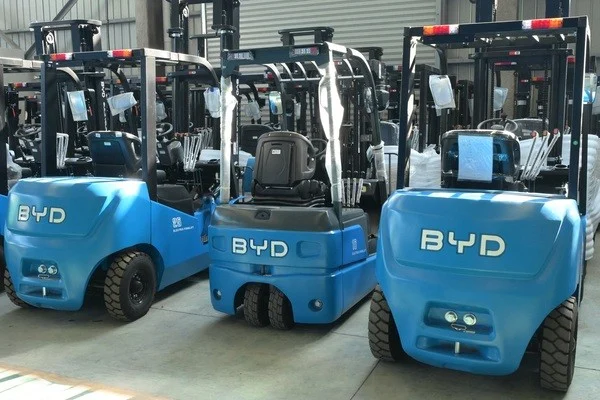
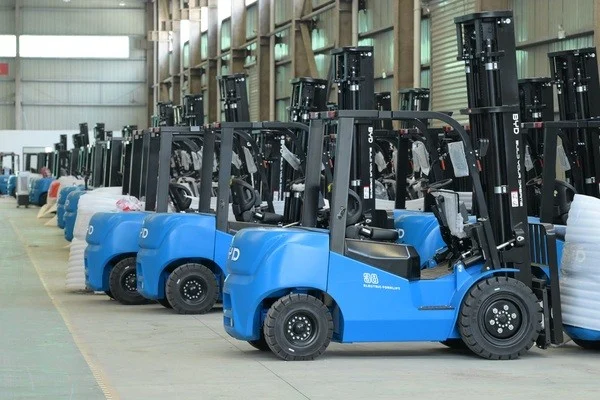
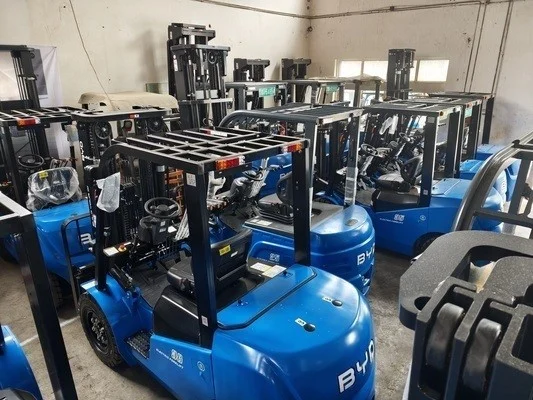
Many manufacturing and warehouse facilities add factory electric forklifts to reduce emissions and lower operational costs. Before deployment, teams must assess how new equipment connects to already installed charging networks. This guide compares common infrastructure types, integration requirements, and tradeoffs to help stakeholders plan successful deployments.
Key Compatibility Factors Across Common Infrastructure Setups
Lead-Acid Battery Charging Infrastructure
Older facilities often have established charging banks built to support lead-acid powered forklifts. These setups typically operate on 120V or 240V single-phase circuits, with 8-12 hour charging cycles. When adding lithium-ion factory electric forklifts, voltage and current matching become critical. Lead-acid chargers use different charge profiles than lithium-ion units, so direct compatibility is rare. Teams face two main options: replace chargers to match new forklift battery requirements, or stick to lead-acid powered units that work with existing hardware.
Existing Lithium-Ion Charging Networks
Facilities that already use some lithium-ion material handling equipment have more flexibility, but still face compatibility checks. Key areas include connector type, communication protocol, and available power capacity. Common connector types include Anderson SB, Type 1, and industrial multi-pin models; mismatched connectors require adapter or charger port modification. Communication protocols, like CAN bus or simple on/off signaling, regulate how the charger and battery interact. Mismatched protocols can lead to overcharging, undercharging, or safety shutoffs that stop operation mid-shift.
Opportunity Charging vs. Single-Shift Full Charge Setups
Infrastructure design matches original operational needs. Older single-shift facilities often build charging banks around overnight full charges, while multi-shift operations rely on opportunity charging during breaks. When integrating new forklifts, teams must compare how the new equipment’s charging needs align with existing infrastructure design. New forklifts that require frequent opportunity charging will overwhelm overnight-only charging banks, leading to extended downtime and reduced productivity.
Power Capacity Assessment: Common Pitfalls
Even if connectors and charge profiles match, facility power capacity creates hard limits on integration. Many older facilities have limited main electrical service that cannot support additional high-power charging loads.
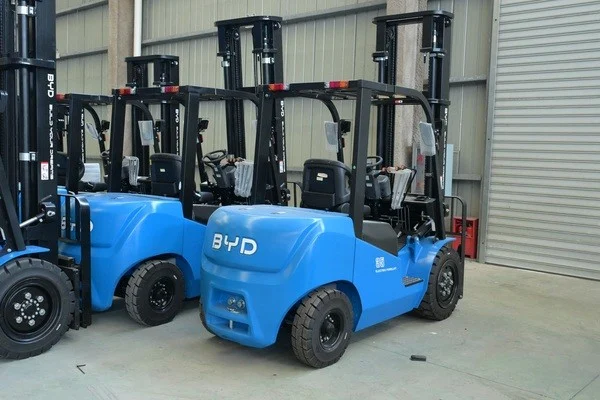
Common mistakes include adding new forklifts and chargers without conducting a full facility power audit. This leads to tripped breakers, overheated wiring, and increased risk of electrical hazards. In extreme cases, excessive load can cause facility-wide power outages that stop all production.
Partial Upgrade Options Addressing Capacity Constraints
Teams facing limited power capacity can take several low-cost approaches before investing in main service upgrades. One common strategy is staggered charging scheduling, where different forklift groups charge at different times to spread out total load. Another option is adding solar array support to offset additional charging demand, though this requires upfront investment and sufficient roof space. A third approach is phased forklift replacement, where teams replace old internal combustion units gradually rather than deploying all new units at once.
Integration Cost Comparison: Common Scenarios
Full Compatibility (No Major Upgrades Required)
This scenario applies when new factory electric forklifts match existing charger voltage, connector type, charge profile, and facility power capacity. Total integration cost stays limited to any minor adapter or configuration changes, usually under $500 total. This scenario is most common when replacing old electric forklifts with identical models from the same manufacturer.
Partial Upgrade Required
Partial upgrades involve replacing existing chargers or adding a small number of new chargers within existing power capacity. Total costs typically range from $2,000 to $10,000, depending on the number of new chargers needed. This scenario is common when switching battery chemistry from lead-acid to lithium-ion within existing power limits.
Full Infrastructure Upgrade Required
Full upgrades require main electrical service expansion or full replacement of all charging equipment. Total costs can exceed $50,000 for large fleets, depending on local utility rates and permit requirements. This scenario applies when facilities convert from 100% internal combustion forklift fleets to all electric units.
Frequently Asked Questions
Can I use adapters to connect new electric forklifts to old chargers?
Adapters solve connector mismatch issues, but cannot fix incompatible charge profiles or power capacity limits. Using an adapter to connect a lithium-ion battery to a lead-acid charger can damage the battery and create fire risks, so this practice is not recommended.
Do all factory electric forklifts require specialized charging infrastructure?
No. Lead-acid powered models can work with older lead-acid charging banks as long as voltage and connector specifications match. Always check manufacturer specifications before connecting any new forklift to an existing charger.
What is the first step I should take before integrating new electric forklifts?
The first step is a complete power audit of your facility conducted by a licensed electrician. This audit identifies existing load capacity, wiring condition, and any hidden issues that could create problems after deployment.
Can I offset new charging load with demand response programs?
Many local utilities offer demand response programs that help facilities manage additional charging load without major main service upgrades. These programs pay facilities to reduce charging load during peak demand periods, making them a viable option for many operations with flexible schedules.
Conclusion and Actionable Next Steps
Integrating new factory electric forklifts into existing charging infrastructure works when teams prioritize compatibility checks and accurate capacity assessments. The lowest cost integration comes from matching new equipment specifications to existing infrastructure, while major upgrades become necessary when switching battery chemistry or converting from internal combustion fleets.
Actionable next steps include: 1. Document all existing charging infrastructure specifications, including voltage, current, connector type, and total available power. 2. Compare new forklift specifications against existing infrastructure to identify mismatches early. 3. Conduct a full facility power audit with a licensed electrician to confirm available capacity. 4. Compare costs of partial upgrades, staggered deployment, and full infrastructure upgrades to select the option that fits your budget and operational needs.